
Healthy Dessert Matchmaker
Your Perfect Match
Key Benefit:
Tip: Even healthy foods contain calories. A handful of almonds is healthy; a bowlful might tip the scales. Listen to your body.
You just finished a hearty meal. The plates are cleared, the conversation is winding down, and that familiar itch hits: you want something sweet. But do you really want to undo the effort of cooking a balanced dinner with a slice of heavy chocolate cake? Probably not. The trick isn't skipping dessert entirely-it's choosing one that satisfies your craving without wrecking your blood sugar or leaving you feeling sluggish an hour later.
Most people think "healthy dessert" means eating sad, plain fruit. That’s boring. You can have rich flavors, creamy textures, and even some crunch, all while keeping things light. Whether you're watching calories, managing diabetes, or just trying to sleep better, there are plenty of options that taste indulgent but act like fuel. Let’s look at what actually works when you’re standing in the kitchen at 8 PM, hungry for a treat but sensible about it.
Berry-Based Treats: Nature’s Candy
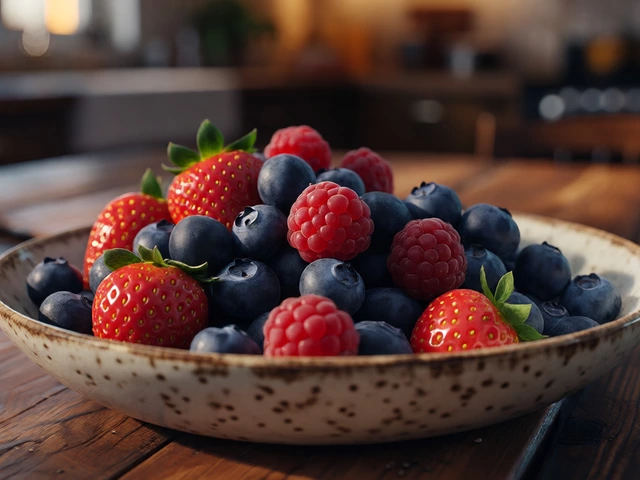
If you want immediate gratification with minimal prep, berries are your best friend. They pack a punch of antioxidants and fiber, which helps slow down the absorption of natural sugars. Unlike tropical fruits like mangoes or bananas, berries have a lower glycemic index, meaning they won’t spike your insulin as sharply. This makes them ideal for a late-night snack where you don’t want a sugar crash before bed.
The simplest way to enjoy them is fresh, straight from the punnet. But if that feels too plain, try freezing them. Frozen strawberries take on a sorbet-like texture when partially thawed. It’s surprisingly refreshing and curbs the urge for ice cream. For a bit more flair, toss mixed berries with a teaspoon of honey and a squeeze of lime. The acidity cuts through the sweetness, making the flavor pop without adding empty calories.
- Frozen Berry Sorbet: Blend frozen raspberries with a splash of almond milk until smooth. No added sugar needed.
- Berry Yogurt Parfait: Layer Greek yogurt with blueberries and a sprinkle of chia seeds.
- Chia Pudding Base: Use berries as a topping for overnight chia pudding made with coconut milk.
Greek Yogurt: The Creamy Protein Powerhouse
When you crave something creamy, reach for Greek yogurt. It’s thick, tangy, and loaded with protein, which keeps you full longer than regular yogurt or ice cream. A typical serving has around 10-15 grams of protein and significantly less sugar than most store-bought frozen desserts. Plus, the probiotics support gut health, which is often neglected during holiday feasts or heavy dinners.
The key here is buying plain, unsweetened varieties. Flavored yogurts are often disguised candy bars, packing up to 20 grams of added sugar per cup. Instead, control the sweetness yourself. Mash half a ripe banana into plain Greek yogurt for natural sweetness, or stir in a teaspoon of vanilla extract and a dash of cinnamon. Cinnamon not only adds warmth but also helps regulate blood sugar levels, making this combo doubly smart for a post-meal treat.
| Item | Calories | Sugar (g) | Protein (g) |
|---|---|---|---|
| Plain Greek Yogurt | 59 | 3.6 | 10 |
| Vanilla Ice Cream | 207 | 21 | 3.5 |
| Chocolate Mousse | 240 | 18 | 2 |
| Fresh Raspberries | 52 | 4.4 | 1.2 |

Dark Chocolate: The Antioxidant Indulgence
Let’s be real: sometimes you just need chocolate. And yes, you can have it. Dark chocolate, specifically those with 70% cocoa content or higher, contains flavonoids-compounds linked to improved heart health and reduced inflammation. Unlike milk chocolate, dark chocolate has less sugar and more cocoa butter, which provides satiety faster. You’ll likely find yourself satisfied with two squares rather than demolishing a whole bar.
To elevate this simple treat, pair it with something crunchy or fruity. Place a square of dark chocolate on top of a warm pear half. The heat slightly melts the chocolate, creating a ganache effect without any extra cream or sugar. Or, dip a few almonds in melted dark chocolate and let them harden on parchment paper. These homemade truffles satisfy the salty-sweet craving while providing healthy fats and fiber from the nuts.
Avocado Mousse: The Secret Ingredient
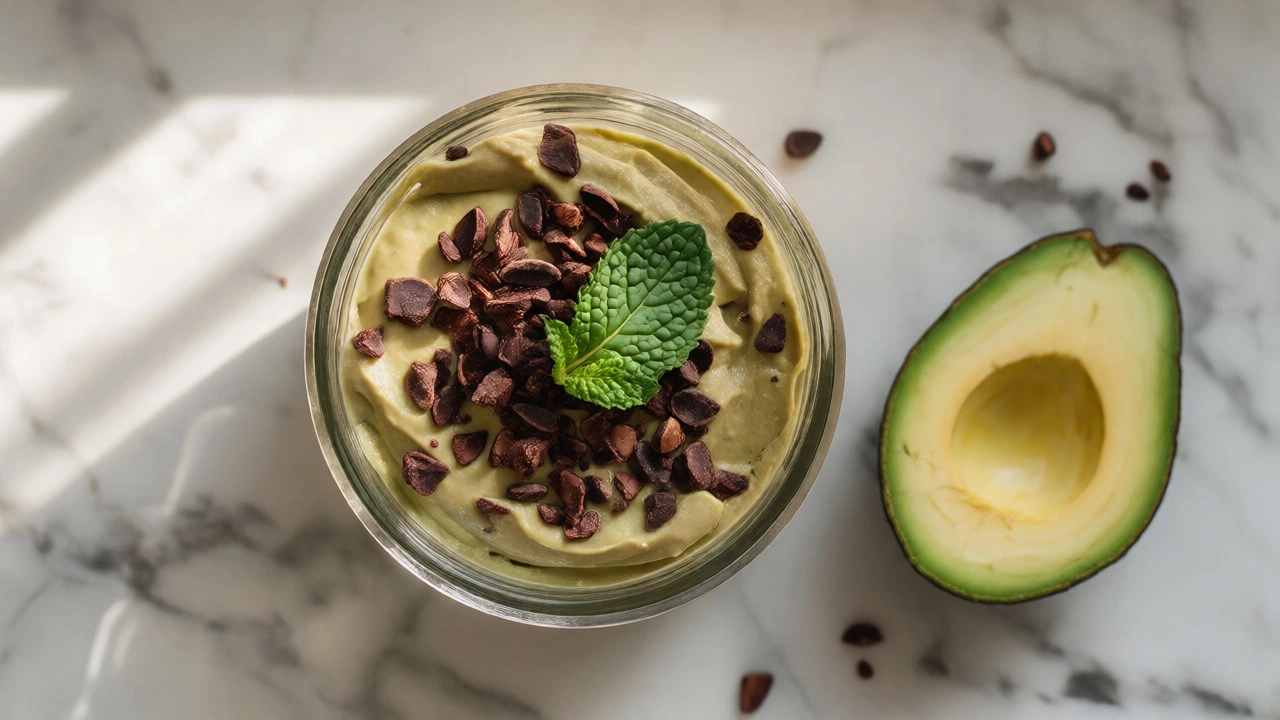
It sounds weird, but trust me: avocado makes an incredible chocolate mousse base. When blended with cocoa powder, a touch of maple syrup, and vanilla, avocado becomes incredibly creamy and rich, mimicking the texture of heavy cream or butter. You won’t taste the avocado; you’ll just taste chocolate. This swap drastically reduces saturated fat while boosting potassium and monounsaturated fats, which are great for heart health.
This option requires a blender or food processor, so it’s best if you have five minutes to spare. Start with one ripe avocado, scoop out the flesh, and blend it with three tablespoons of unsweetened cocoa powder, two tablespoons of maple syrup, and a splash of almond milk until smooth. Chill it for ten minutes to firm up. Top with a few cacao nibs for crunch. It’s dense enough to feel like a proper dessert but light enough that you won’t feel bloated afterward.
Baked Fruits: Warm Comfort Without the Guilt
Cold desserts aren’t always the answer, especially if it’s chilly outside or you’ve had a heavy main course. Warm baked fruits offer comfort without the heaviness of pastry. Baked apples or pears release their natural sugars as they cook, becoming tender and sweet. Adding spices like nutmeg, ginger, or cardamom enhances the perception of sweetness, allowing you to use little to no added sugar.
Try halving an apple, removing the core, and stuffing it with a mixture of oats, walnuts, and a drizzle of honey. Bake at 180°C (350°F) for 20-25 minutes until soft. The oats provide fiber, the walnuts add omega-3 fatty acids, and the warm fruit soothes digestion. This is particularly effective after a large dinner because the fiber helps move things along gently. If you prefer berries, bake them in a ramekin with a sprinkle of cornstarch to thicken the juices, then serve warm over a spoonful of cottage cheese for a protein boost.
How to Choose Based on Your Needs
Not every healthy dessert fits every situation. Here’s a quick guide to help you pick the right one based on what you’re looking for:
- Craving Sweetness & Low Effort: Go for fresh berries or a small piece of dark chocolate. Zero prep, high satisfaction.
- Need Something Filling: Choose Greek yogurt with nuts or avocado mousse. The protein and fat content will keep hunger away.
- Want Warmth & Comfort: Opt for baked apples or pears with spices. Great for cold evenings or after a light meal.
- Managing Blood Sugar: Stick to berries and dark chocolate. Avoid dried fruits, which concentrate sugar and lack water volume.
Remember, portion size matters. Even healthy foods contain calories. A handful of almonds is healthy; a bowlful might tip the scales. Listen to your body. If you’re truly hungry, eat a proper snack. If you’re bored or stressed, a small sweet treat might suffice, but check in with yourself first. Sometimes we mistake thirst or fatigue for hunger.
Is fruit sugar bad for weight loss?
No, fruit sugar (fructose) comes packaged with fiber, water, and micronutrients, which slows digestion and prevents rapid blood sugar spikes. Unlike added sugars in processed desserts, the fructose in whole fruits like apples and berries is generally safe for weight loss when consumed in moderation. However, dried fruits and fruit juices have concentrated sugars and less fiber, so they should be limited.
Can I eat dessert every night?
Yes, if you choose nutrient-dense options. Eating a small portion of dark chocolate, berries, or yogurt daily can satisfy cravings without derailing your diet. The key is consistency in choosing whole-food-based treats rather than occasional binges on high-sugar pastries. Daily small habits beat weekly restrictions for long-term sustainability.
What is the lowest calorie dessert option?
Fresh berries are among the lowest-calorie options, with about 50-60 calories per cup. Watermelon cubes or cucumber slices with a hint of mint are also extremely low in calories. For a warmer option, steamed fruit without added sugar remains under 100 calories per serving. Always check labels on pre-packaged 'light' desserts, as they often compensate for reduced fat with increased sugar or artificial additives.
Why does my stomach hurt after eating dessert?
This could be due to a combination of factors, including eating too quickly, consuming high amounts of fat and sugar simultaneously, or having sensitivities to dairy or gluten. Heavy desserts can delay gastric emptying, causing bloating. Switching to lighter options like fruit or yogurt-based treats often alleviates this discomfort by being easier to digest.
Are artificial sweeteners healthy for desserts?
The science is mixed. While artificial sweeteners reduce calorie intake, some studies suggest they may alter gut bacteria or increase cravings for sweet foods in some individuals. Natural alternatives like stevia, monk fruit, or small amounts of honey/maple syrup are often preferred for their minimal processing and fewer potential side effects. Moderation is key regardless of the sweetener used.




Write a comment