Global Vegetarian Dish Explorer Interactive Guide
Select a dish to see its detailed breakdown, or compare up to three dishes side-by-side to understand what makes each one a global icon.
Select Dishes to Compare
No Dishes Selected
Click on a dish from the list to view its details and add it to the comparison.
Walk into any bustling street food market in Bangkok or a cozy trattoria in Rome, and you’ll notice something interesting: the most popular plates often don’t have meat on them. While we tend to associate vegetarianism with modern health trends, some of the world’s most beloved dishes have been meat-free for centuries. So, what is the famous vegetarian dish? The honest answer is that there isn’t just one. It depends entirely on where you are standing.
Whether you’re looking for a quick weeknight dinner or trying to understand why certain plant-based meals have become cultural icons, this guide breaks down the heavy hitters. We’re talking about the dishes that define regions, travel across borders, and remain staples in kitchens worldwide. From the humble bean to the complex spice blend, these are the vegetarian legends you need to know.
The Global Heavyweights: Dishes That Crossed Borders
Some dishes became famous because they were so good that people forgot they didn’t contain meat. These are the universal languages of vegetarian cooking. They rely on technique and fresh ingredients rather than relying on animal products for flavor depth.
- Hummus is a Middle Eastern dip made from chickpeas, tahini, lemon juice, and olive oil. It originated in the Levant region and has become a staple in Western diets. Its creamy texture comes from blending cooked chickpeas until smooth, creating a versatile base for pita breads and vegetables.
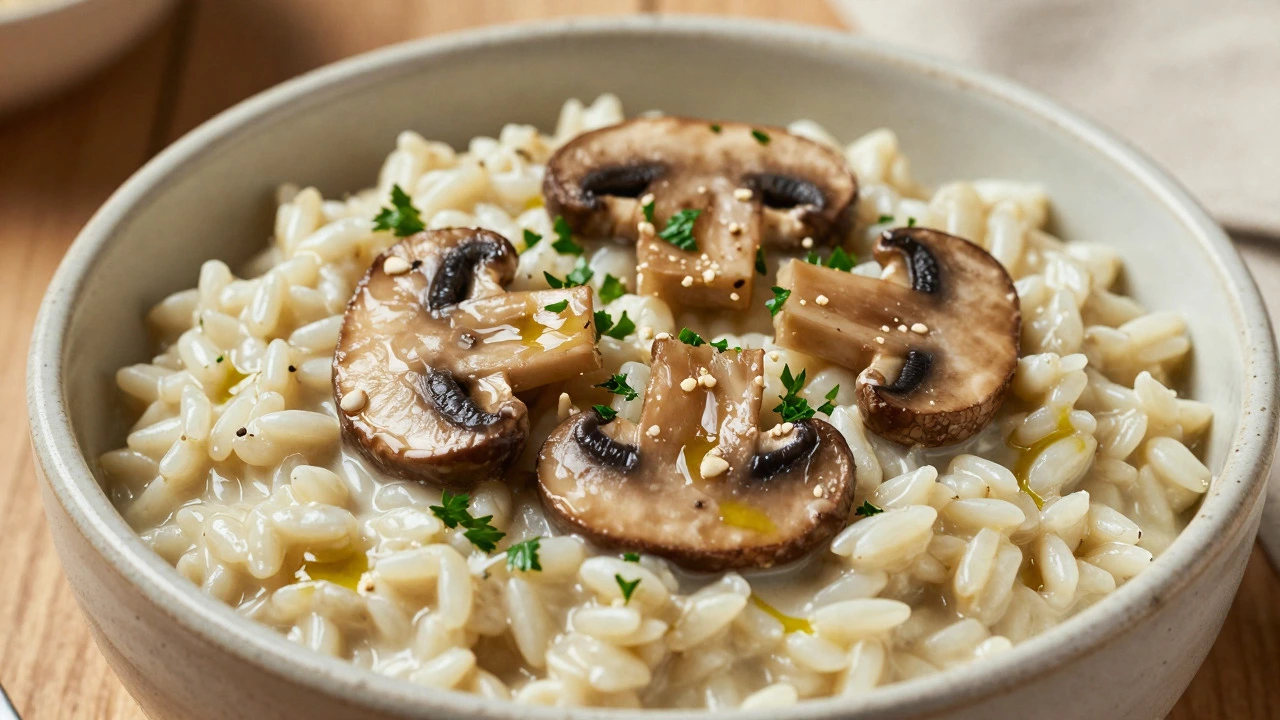
- Risotto, specifically Risotto ai Funghi (mushroom risotto), is an Italian classic. Unlike regular rice dishes, it requires constant stirring to release starch, creating a creamy consistency without cream. The earthy mushrooms provide the umami punch usually reserved for meats.
- Falafel is a deep-fried ball or patty made from ground or mashed chickpeas, fava beans, or both, mixed with herbs like parsley and cilantro. It is a cornerstone of street food in Israel, Lebanon, and Egypt, often served in pita with tahini sauce.
These three dishes share a common trait: they are protein-rich. Chickpeas and beans provide substantial satiety, which is why they survived as main courses long before protein supplements existed. If you are new to cooking without meat, starting with these three gives you a solid foundation of flavors and textures.
Regional Icons: Where Geography Shapes the Plate
Move away from the Mediterranean, and the definition of a famous vegetarian dish changes dramatically. In South Asia, spices take center stage. In East Asia, fermentation and tofu play key roles. Let’s look at specific regional champions that have gained international recognition.
| Dish Name | Origin Region | Primary Protein Source | Key Flavor Profile | Cooking Method |
|---|---|---|---|---|
| Chana Masala | North India | Chickpeas | Tangy, Spicy, Aromatic | Simmering/Stewing |
| Pad Thai | Thailand | Tofu (or Eggs) | Sweet, Sour, Salty, Nutty | Stir-frying |
| Enchiladas Verdes | Mexico | Beans/Cheese | Herby, Creamy, Mildly Spicy | Baking/Roasting |
| Bibimbap | South Korea | Eggs/Tofu | Umami, Sweet, Crunchy | Mixing/Serving Hot |
Chana Masala is an Indian curry made with chickpeas simmered in a tomato-based gravy seasoned with cumin, coriander, and turmeric. It is arguably the most famous vegetarian dish in the UK and US. The name “masala” refers to the spice mix, but the magic lies in the slow cooking process. The chickpeas absorb the liquid, becoming tender and flavorful. Pair it with basmati rice or naan bread, and you have a complete meal that feels hearty and satisfying.
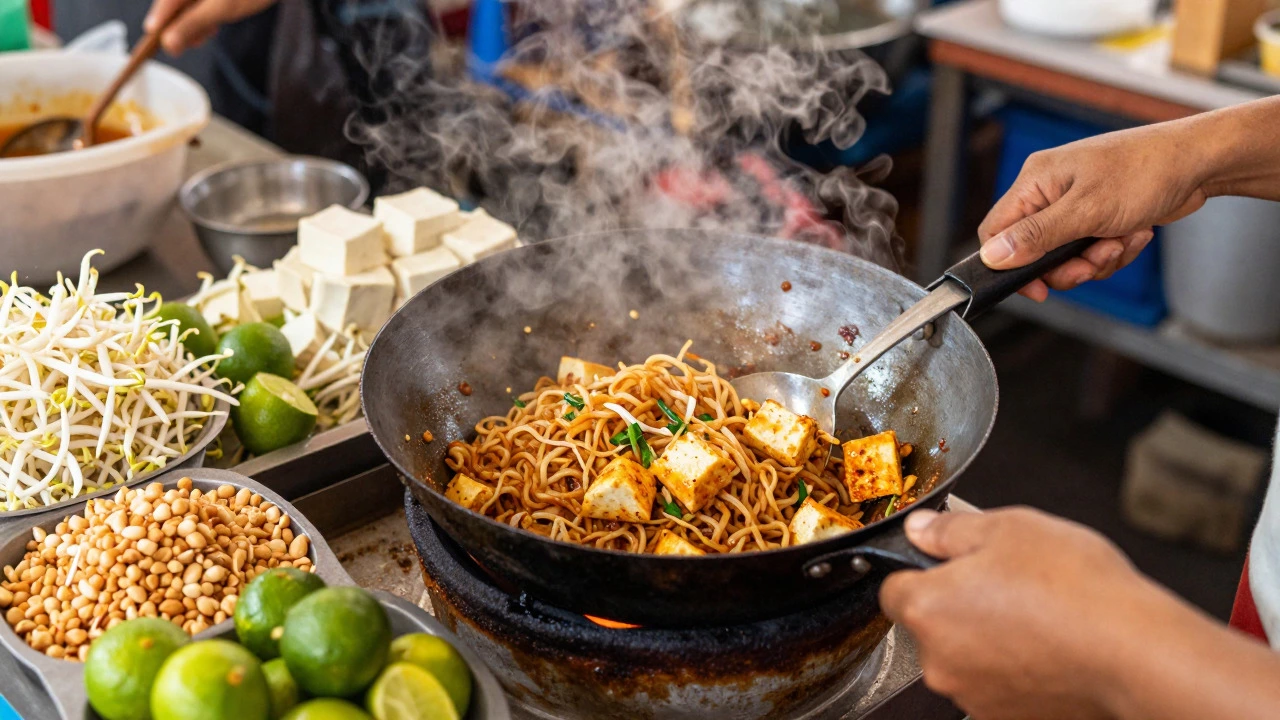
In Thailand, Pad Thai is a stir-fried noodle dish with tamarind paste, fish sauce, palm sugar, and egg, typically topped with crushed peanuts and lime wedges. While traditional versions include shrimp, the tofu version is equally popular and widely available. The balance of sweet, sour, salty, and bitter flavors makes it addictive. The key here is high heat; the noodles must be wok-hei (breath of the wok) to get that smoky aroma.
Mexican cuisine offers Enchiladas Verdes, rolled tortillas filled with cheese or beans and covered in a green salsa verde made from tomatillos and green chilies. This dish highlights how vegetables can be the star of a savory dish. The tomatillo provides a bright acidity that cuts through the richness of the melted cheese. It’s a comfort food that doesn’t require meat to feel indulgent.
Why These Dishes Became Famous
You might wonder why these specific dishes rose above thousands of others. There are three main reasons: accessibility, versatility, and cultural export.
- Ingredient Accessibility: Beans, lentils, rice, and pasta are cheap and shelf-stable. Historically, when meat was expensive or scarce, these staples kept families fed. Today, their affordability keeps them popular among budget-conscious cooks.
- Versatility: A pot of hummus can be a snack, a lunch, or part of a dinner. Chana masala can be eaten alone, wrapped in a wrap, or used as a filling for tacos. This flexibility means they fit into many dietary lifestyles, including vegan, gluten-free, and dairy-free diets.
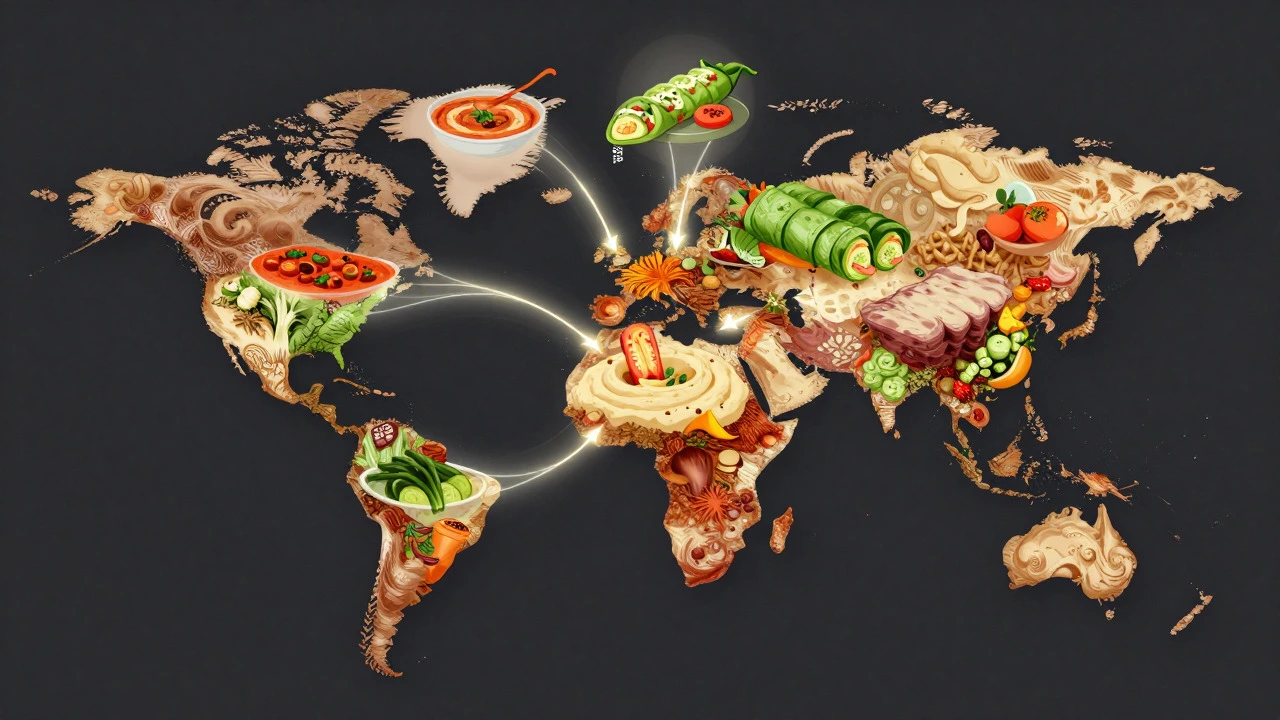
- Cultural Export: Migration and tourism spread these recipes globally. When people moved from India to the UK, they brought Chana Masala with them. When tourists visited Thailand, they fell in love with Pad Thai. These dishes traveled faster than their meat-heavy counterparts because they were easier to adapt to local ingredient availability.
Another factor is the rise of social media. Visually appealing dishes like colorful Bibimbap or creamy Risotto perform well on platforms like Instagram. The vibrant colors of vegetables and spices make them photogenic, driving further popularity among younger demographics who discover food through visual cues first.
How to Cook Like a Pro: Tips for Authentic Flavors
Knowing the name of the dish is only half the battle. To make these famous vegetarian dishes taste authentic, you need to pay attention to technique. Here are some practical tips to elevate your home cooking.
- Toasted Spices: For Indian dishes like Chana Masala, always toast whole spices (cumin seeds, cardamom, cloves) in dry oil before adding liquids. This releases essential oils and creates a deeper flavor base than using pre-ground spices directly.
- Don’t Overcook Tofu: For Asian dishes like Pad Thai, press tofu to remove excess water, then pan-fry it until golden brown before adding to the wok. This prevents it from falling apart and gives it a better texture.
- Balance Acidity: Many famous vegetarian dishes rely on acid to cut through richness. Add lemon juice, vinegar, or tamarind paste at the end of cooking to preserve freshness. Taste as you go; if a dish feels flat, it likely needs more acid.
- Fresh Herbs Last: Cilantro, parsley, and basil should be added after removing the pan from heat. Heat kills their delicate flavors. Stir them in right before serving.
Also, don’t fear experimentation. If you don’t like cumin, swap it for caraway. If you don’t have tomatillos, use green tomatoes with a bit of lime. The goal is to understand the flavor profile, not to follow a recipe rigidly.
Common Mistakes to Avoid
Even experienced cooks can stumble when making these classics. Here are the pitfalls that turn a great dish into a mediocre one.
- Under-seasoning: Because there is no meat, salt and spices carry more weight. Don’t be shy with seasoning. Taste frequently during the cooking process.
- Mushy Rice: For Risotto, use short-grain rice like Arborio or Carnaroli. Long-grain rice won’t release enough starch to create the creamy texture. Stir constantly but gently to avoid breaking the grains.
- Dry Hummus: If your hummus is too thick, add ice water gradually. Ice helps keep the mixture cool and emulsified, resulting in a lighter, fluffier texture than room-temperature water.
- Burnt Garlic: In stir-fries, garlic burns quickly. Add it in the last minute of cooking to ensure it adds aroma without bitterness.
Avoiding these mistakes ensures that your version of these famous dishes stays true to their reputation. It’s about respecting the ingredients while making them your own.
Frequently Asked Questions
What is the single most popular vegetarian dish in the world?
While hard to quantify globally, Hummus and Chana Masala are often cited as the top contenders. Hummus has widespread consumption due to its simplicity and longevity, while Chana Masala dominates restaurant menus in Europe and North America.
Are famous vegetarian dishes healthy?
Generally, yes. Most rely on legumes, whole grains, and vegetables, which are high in fiber and low in saturated fat. However, watch out for added sugars in sauces (like Pad Thai) or excessive frying (like Falafel). Balancing these elements keeps the nutritional profile strong.
Can I make these dishes vegan?
Mostly, yes. Hummus, Chana Masala, and Enchiladas Verdes are naturally vegan if you omit cheese or use plant-based alternatives. Risotto often contains butter and Parmesan, but you can substitute with olive oil and nutritional yeast. Pad Thai may contain fish sauce, so use tamari instead.
Which famous vegetarian dish is easiest for beginners?
Hummus is the easiest. It requires only five ingredients and a blender. No precise timing or temperature control is needed. Once you master the texture, you can move on to Chana Masala, which involves more steps but follows a simple simmering method.
Do I need special equipment to cook these dishes?
No. A standard skillet, a large pot, and a blender are sufficient for all the dishes mentioned. A wok is helpful for Pad Thai but not mandatory; a large skillet works fine if you cook in batches to maintain high heat.



Write a comment