Condiment Gluten Checker
Select a condiment from the list to check its typical gluten status, identify key ingredients to watch for, and discover safe alternatives.
Quick Label Reading Checklist
Grabbing a bottle of soy sauce is usually a no-brainer. It’s fast, cheap, and makes food taste better. But for anyone managing celiac disease or a non-celiac gluten sensitivity, that simple habit can ruin a meal. Gluten hides in places you wouldn’t expect, especially in the condiment aisle. The good news? Most common sauces are safe if you know what to look for.
The Hidden Culprits: Sauces That Often Contain Gluten
Not all condiments are created equal. While some are naturally gluten-free, others rely on wheat-based thickeners or flavorings. Here are the biggest offenders you need to watch out for:
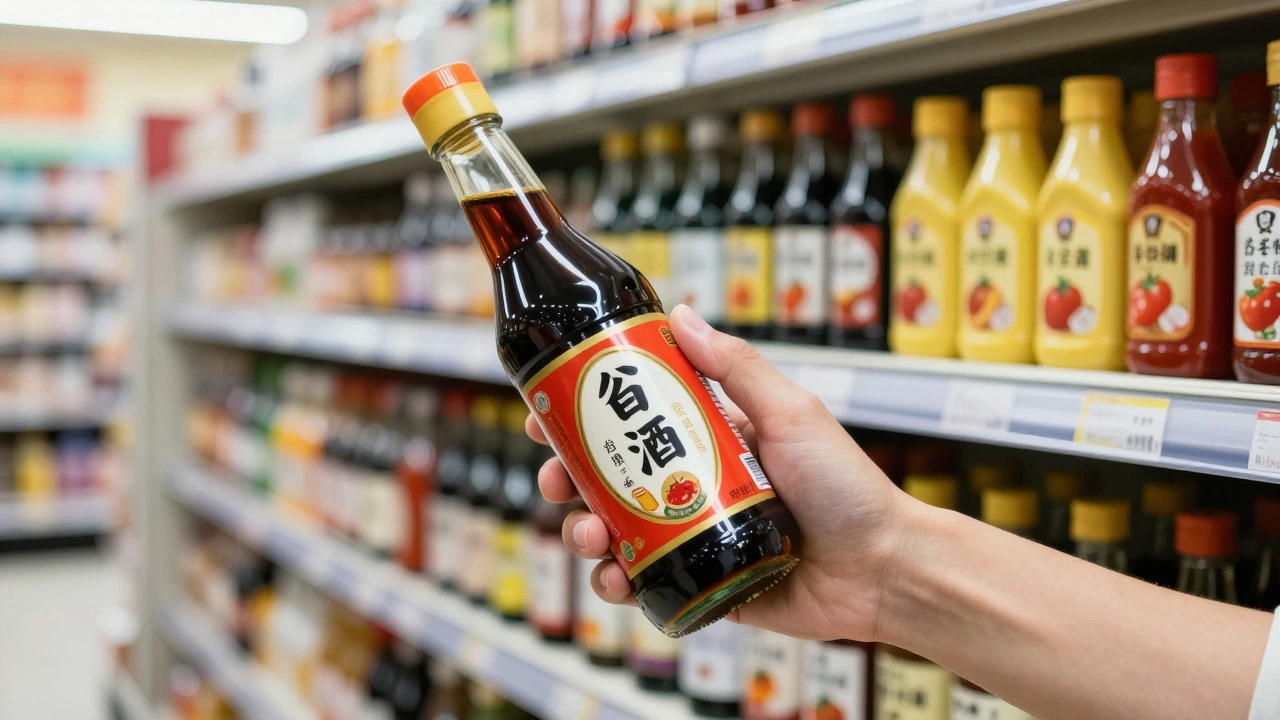
- Traditional Soy Sauce: Made from fermented soybeans and wheat. Unless labeled "gluten-free," it contains significant amounts of gluten.
- Gravy and Pan Sauces: Usually thickened with flour. If you make these at home, use cornstarch or arrowroot powder instead.
- Teriyaki Sauce: Almost always contains soy sauce and sometimes malt vinegar (made from barley).
- Malt Vinegar: Derived from barley, making it a major source of gluten in dressings and marinades.
- Some Mustards: While most yellow mustards are safe, certain brands add wheat starch as a filler or use malt vinegar.
- Breaded Seasonings: Panko-style seasonings or those containing breadcrumbs will have gluten.
It’s easy to assume that because a product looks like a liquid, it’s safe. But fermentation processes often introduce gluten-containing grains. Always check the label for the word "wheat" or "barley."
The Safe List: Condiments That Are Typically Gluten-Free
On the flip side, many pantry staples are naturally free of gluten. These are your go-to options when cooking or eating out:
- Ketchup: Standard ketchup is made from tomatoes, vinegar, sugar, and spices. Most major brands are gluten-free, though cross-contamination is rare but possible.
- Hot Sauce: Typically contains peppers, vinegar, salt, and garlic. Very low risk of hidden gluten.
- Olive Oil and Butter: Pure fats don’t contain gluten unless mixed with bread crumbs or other fillers.
- Pure Honey and Maple Syrup: Natural sweeteners are inherently gluten-free.
- Tamari: A Japanese variant of soy sauce that is traditionally brewed without wheat. Look for "100% Tamari" to be sure.
- Cooking Wine (Sherry/Marsala): Most wines are gluten-free, but avoid those labeled "flavored" which might include additives.
Even within this safe list, labels matter. For example, while most ketchups are safe, some budget brands may use wheat dextrin. Wheat dextrin is technically gluten-free according to FDA standards, but some people with severe sensitivities prefer to avoid it entirely.
Reading Labels Like a Pro
You don’t need a chemistry degree to spot gluten. You just need to know where to look. Here is a quick checklist for scanning ingredient lists:
- Look for "Wheat": This is the most obvious sign. If you see wheat flour, wheat starch, or wheat germ, put it back.
- Check for "Barley": Malt extract, malt vinegar, and malt syrup all come from barley.
- Watch for "Rye": Less common in condiments, but still a gluten source.
- Identify Thickeners: Modified food starch is usually derived from corn or potato, but if it doesn’t specify, ask the manufacturer. Cornstarch is always safe.
- Read the Allergen Statement: In the US, wheat is a major allergen and must be declared. In other regions, check for "may contain" warnings if you are highly sensitive.
A helpful rule of thumb: if the ingredient list is short and simple, it’s likely safer. Complex sauces with long lists of preservatives and colorings carry a higher risk of hidden gluten sources.
Comparison Table: Common Condiments and Their Gluten Status
| Condiment | Typical Gluten Status | Safe Alternative | Key Ingredient to Watch |
|---|---|---|---|
| Soy Sauce | Contains Gluten | Tamari or Coconut Aminos | Wheat |
| Ketchup | Usually Gluten-Free | Homemade Tomato Sauce | Wheat Dextrin (rare) |
| Mustard | Mostly Gluten-Free | Dijon (check label) | Malt Vinegar |
| BBQ Sauce | Varies Widely | Label-Verified GF Brand | Wheat Flour, Malt |
| Vinegar | Depends on Source | Apple Cider or Rice Vinegar | Barley (Malt Vinegar) |
| Mayonnaise | Usually Gluten-Free | Homemade Mayo | Wheat Starch (rare) |
Eating Out: How to Navigate Restaurant Menus
Restaurants change recipes constantly. A sauce that was safe last month might have a new base this month. When dining out, never assume. Ask specific questions:
- "Is the soy sauce in the stir-fry traditional or tamari?"
- "Does the gravy use wheat flour or cornstarch?"
- "Are there any hidden sources of gluten in the marinade?"
Staff members are often your best resource. They know the kitchen routines better than menu descriptions do. If they aren’t sure, it’s safer to skip the dish or ask for a plain protein with steamed vegetables and oil-based dressing.

DIY Solutions: Making Your Own Safe Condiments
One of the best ways to guarantee safety is to make your own sauces. It’s easier than you think and often tastes better than store-bought versions.
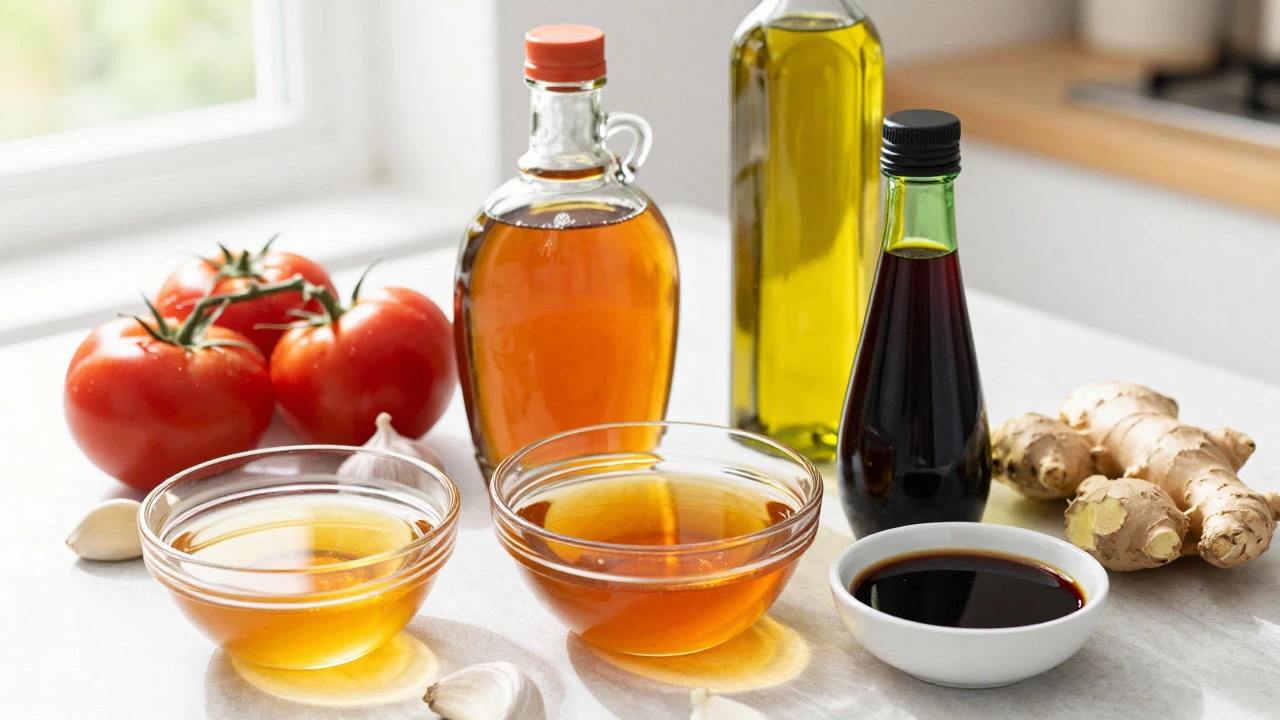
- Gluten-Free Teriyaki: Mix tamari, honey, ginger, garlic, and a splash of rice vinegar. Simmer until slightly thickened.
- Homemade Ketchup: Blend cooked tomatoes, apple cider vinegar, onion, garlic, brown sugar, and spices. Simmer until smooth.
- Spicy Mustard Dressing: Combine dijon mustard (verified GF), olive oil, lemon juice, and hot sauce.
These homemade versions allow you to control every single ingredient. Plus, you can adjust the sweetness or heat level to your preference without worrying about artificial additives.
Frequently Asked Questions
Is regular soy sauce gluten-free?
No, traditional soy sauce is not gluten-free because it is brewed with wheat. You should choose tamari or a specifically labeled gluten-free soy sauce instead.
Can I eat ketchup if I have celiac disease?
Yes, most standard ketchups are gluten-free. However, always check the label for wheat dextrin or other wheat-derived ingredients, especially in budget brands.
What is the difference between tamari and soy sauce?
Tamari is a type of soy sauce that is traditionally made without wheat, using only soybeans. It has a richer, less salty flavor compared to regular soy sauce, which includes wheat in the fermentation process.
Is malt vinegar safe for gluten-free diets?
No, malt vinegar is made from barley, so it contains gluten. Use apple cider vinegar, white wine vinegar, or rice vinegar as safe alternatives.
Do I need to worry about cross-contamination in condiments?
For most people, cross-contamination in bottled condiments is minimal. However, if you have severe celiac disease, look for products certified gluten-free to ensure strict processing controls.



Write a comment