Find Your Healthiest Pasta Match
Select your primary health goal to get personalized pasta recommendations:
Weight Loss
Low calories & carbs
Muscle Building
High protein intake
Blood Sugar Control
Low glycemic index
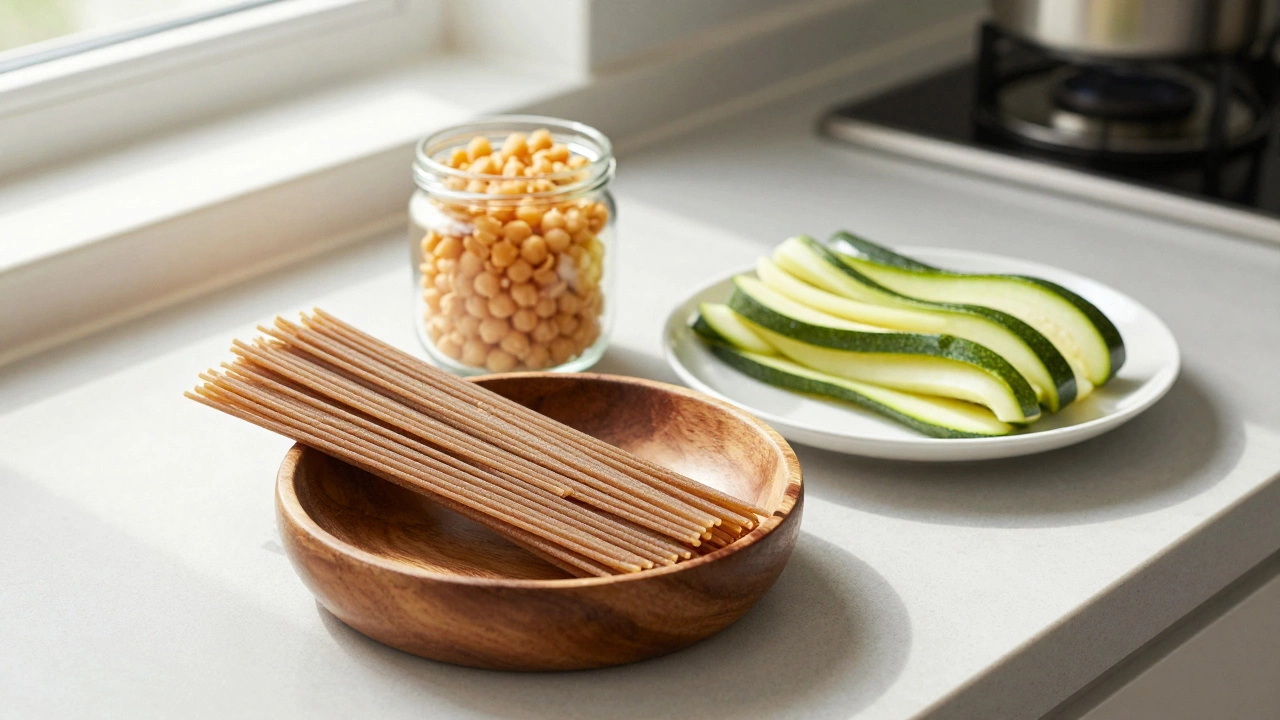
You’re standing in the grocery aisle, staring at a wall of boxes. There’s the classic white spaghetti you grew up with, a box of brown whole wheat noodles, some green chickpea strands, and even zucchini ribbons in the produce section. You want comfort food, but you also want to feel good after eating it. So, what is actually the healthiest pasta? The answer isn’t just one type. It depends on whether you are trying to lower your blood sugar, build muscle, or simply eat more fiber without feeling stuffed.
For decades, we were told that all carbs are created equal, or worse, that they are the enemy. That’s outdated advice. Pasta can be a nutritional powerhouse if you pick the right base. The key lies in understanding the difference between refined grains, whole grains, and alternative proteins. Let’s break down exactly which types offer the most bang for your buck nutritionally.
The Gold Standard: Whole Grain Pasta
If you have to choose just one upgrade from your standard diet, make it whole wheat. Unlike refined white pasta, which strips away the nutrient-rich outer layers of the wheat berry, whole wheat pasta keeps everything intact. This means you get significantly more fiber, magnesium, and B vitamins.
Fiber is the star player here. A typical serving of whole wheat pasta contains about 6 grams of fiber, compared to just 2 grams in regular white pasta. Why does this matter? Fiber slows down digestion. When you eat white pasta, your body breaks it down quickly, causing a spike in blood sugar followed by a crash that leaves you hungry an hour later. Whole wheat pasta digests slower, keeping you full longer and stabilizing your energy levels throughout the afternoon.
It’s not just about volume, either. The bran layer in whole wheat contains antioxidants like phenolic acids, which help reduce inflammation in the body. If you are looking for a sustainable, everyday swap that doesn’t drastically change the taste or texture of your favorite dishes, whole wheat is the safest bet. Just look for packages that say “100% whole wheat” rather than just “wheat,” which often implies a blend with refined flour.
The Protein Powerhouses: Legume-Based Pastas
In recent years, the market has flooded with pastas made from beans and lentils. These aren’t just marketing gimmicks; they represent a fundamental shift in how we view carbohydrates. When you cook pasta from red lentils, chickpeas, or black beans, you are essentially eating a concentrated source of plant-based protein.
Consider Chickpea Pasta. A single serving can contain upwards of 25 grams of protein and 17 grams of fiber. Compare that to traditional pasta, which might have 7 grams of protein and 2 grams of fiber. This massive jump changes the macronutrient profile of your meal entirely. You no longer need to load up on heavy meat sauces or cheese to feel satisfied because the noodle itself provides substantial satiety.
Lentil pasta works similarly but often has a slightly earthier flavor profile. Red lentil pasta, in particular, tends to hold its shape well and absorbs sauce beautifully. Because these pastas are higher in protein, they have a much lower glycemic index (GI) than wheat-based options. This makes them excellent choices for people managing diabetes or those who want to avoid the post-lunch slump. However, keep in mind that the texture is different. Legume pastas can be denser and sometimes gritty if overcooked, so sticking to al dente is crucial.
Low Carb and Keto-Friendly Alternatives
If your goal is strictly carbohydrate reduction-perhaps for a ketogenic diet or general weight loss-grain-based pastas, even whole wheat, might still be too high in net carbs. This is where vegetable-based and seed-based alternatives come into play.
Zoodles, or zucchini noodles, are the most famous option. They are incredibly low in calories and carbs, offering a fresh, crisp bite. The downside? They release water when cooked, which can turn your sauce watery, and they lack the structural integrity of real pasta. They work best as a partial substitute, mixed with regular pasta, rather than a total replacement, unless you are very disciplined about your carb limits.
Another rising star is Konjac Pasta. Made from the glucomannan fiber found in the konjac root, these noodles are nearly zero-calorie and zero-carb. They are popular in Asian cuisine and have gained traction in Western keto communities. While they are technically healthy due to their negligible caloric impact, many people find the texture rubbery and bland. They act more as a vessel for sauce than a standalone ingredient.
For a middle ground, look for edamame pasta. Soybeans provide a decent amount of protein and fiber while keeping the carb count lower than wheat or legume varieties. It offers a smoother texture than chickpea pasta and is less watery than zucchini, making it a versatile option for creamy sauces.
Comparing Nutritional Profiles
To help you decide which type fits your specific health goals, let’s look at the numbers. Here is how a standard 2-ounce dry serving compares across different types.
| Pasta Type | Calories | Protein (g) | Fiber (g) | Net Carbs (g) |
|---|---|---|---|---|
| Refined White Pasta | 200 | 7 | 2 | 43 |
| Whole Wheat Pasta | 170 | 7 | 6 | 35 |
| Chickpea Pasta | 240 | 25 | 17 | 29 |
| Red Lentil Pasta | 200 | 18 | 8 | 34 |
| Zucchini Noodles (raw) | 20 | 2 | 2 | 3 |
As you can see, there is no single winner. White pasta wins on calorie density if you are counting strict calories, but it loses badly on nutrients. Chickpea pasta wins on protein and fiber but is higher in calories. Zucchini wins on low carb but lacks substance. Your choice should align with your primary health metric.
Cooking Tips for Maximum Nutrition
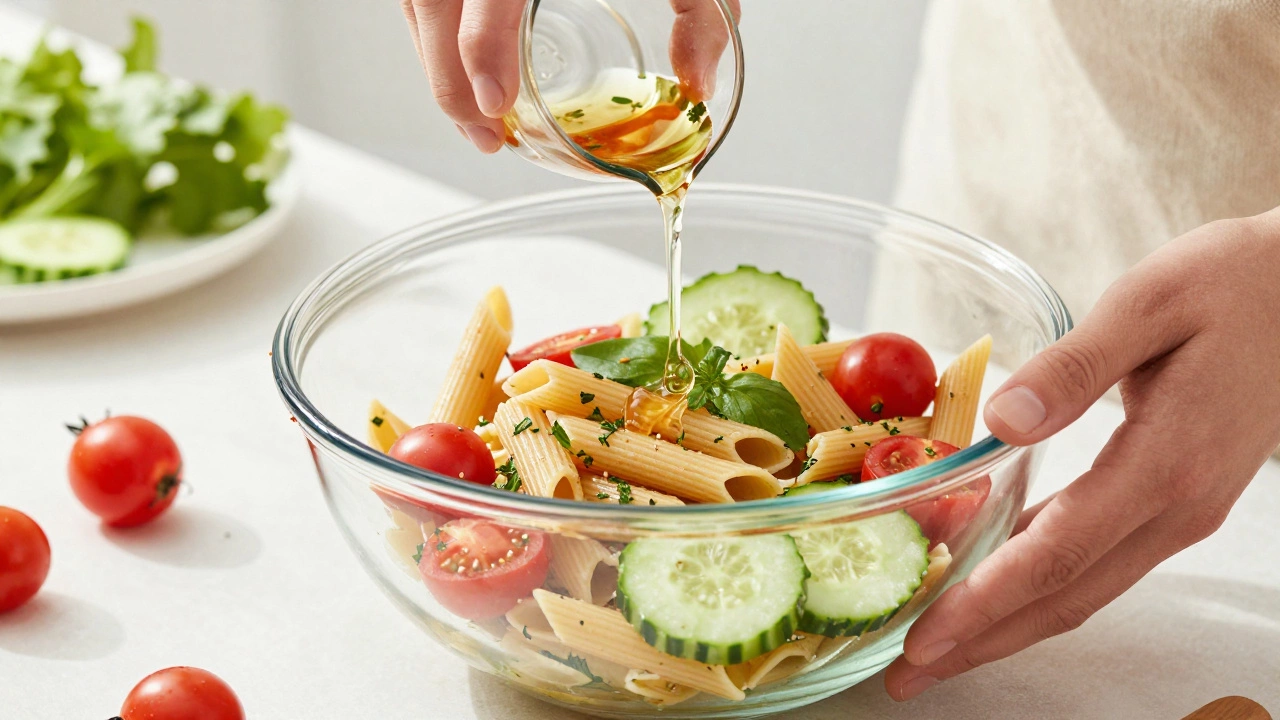
Even the healthiest pasta can become less beneficial if you prepare it poorly. One simple trick that has gained scientific backing is cooling your pasta after cooking. When you cook starches like potatoes or wheat pasta and then let them cool, a process called retrogradation occurs. This transforms some of the digestible starch into resistant starch.
Resistant starch acts like fiber in your gut. It feeds your beneficial gut bacteria rather than being absorbed as sugar. So, if you make a pasta salad and eat it cold the next day, you are actually getting a better glycemic response than if you ate it hot straight out of the pot. Reheating it won’t reverse this effect completely, so leftovers can be surprisingly healthy.
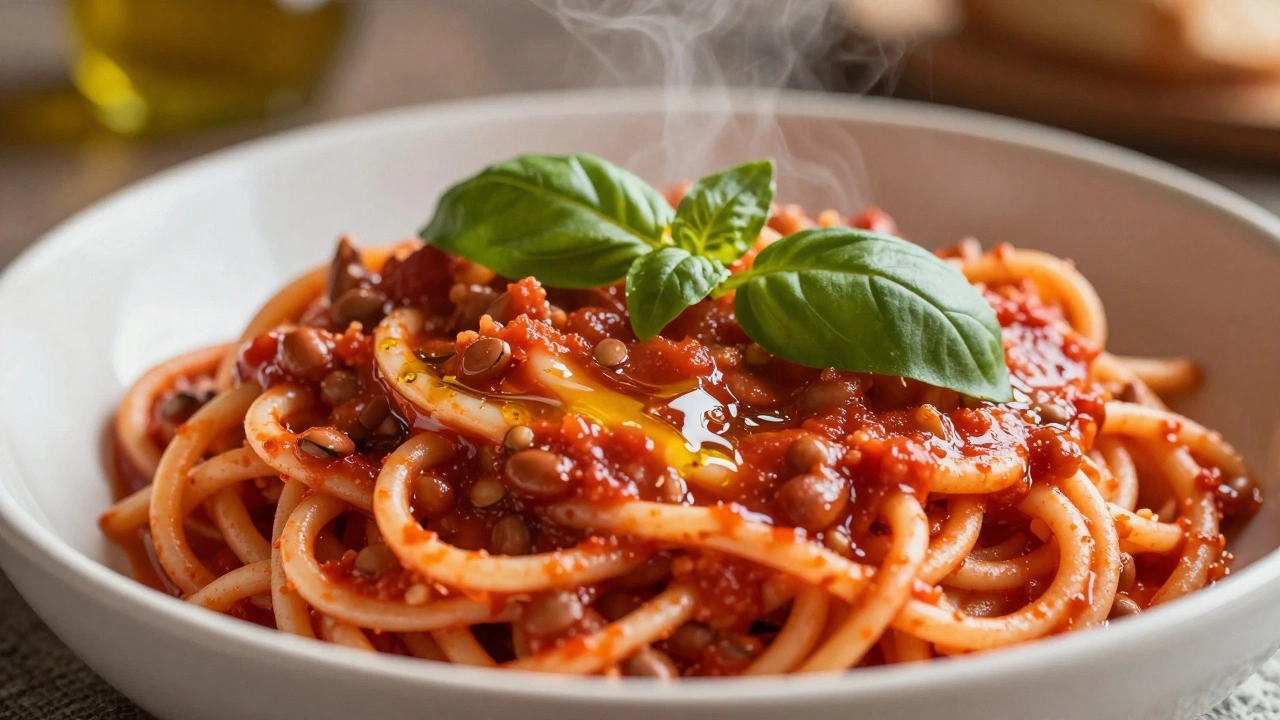
Another tip is to watch your sauce pairings. High-protein pastas like lentil or chickpea varieties don’t need heavy cream sauces to feel satisfying. Their natural nuttiness pairs exceptionally well with tomato-based marinara, olive oil and garlic, or light pesto. Using lighter sauces ensures you don’t negate the health benefits of the pasta with excessive saturated fats and sodium.
Who Should Avoid Which Types?
While legume pastas are great for most people, they can cause digestive distress for those with sensitive stomachs or IBS (Irritable Bowel Syndrome). The high fiber and FODMAP content in chickpeas and lentils can lead to bloating and gas. If you fall into this category, whole wheat or rice-based pastas might be gentler options.
Similarly, if you are gluten-free, ensure your whole wheat pasta is certified gluten-free, as cross-contamination is common in mills. Rice and corn pastas are naturally gluten-free but tend to be lower in protein and fiber, so you’ll need to supplement your meal with extra vegetables or lean meats to balance the nutrition.
Making the Switch Without Losing Joy
Changing your diet doesn’t mean you have to abandon the foods you love. Start by mixing. Try using half whole wheat and half white pasta until your palate adjusts to the slightly nuttier flavor and chewier texture. Or, spiralize a zucchini and mix it with your regular spaghetti to boost the vegetable intake without sacrificing the comforting mouthfeel of wheat.
Experimentation is key. Buy small boxes of different types. Taste-test them with your favorite sauce. You might find that you prefer the heartiness of black bean pasta for hearty winter stews, while saving delicate spinach pasta for light summer salads. By diversifying your pantry, you ensure that every bowl of pasta contributes positively to your long-term health goals.
Is whole wheat pasta better than white pasta?
Yes, generally speaking. Whole wheat pasta retains the bran and germ of the wheat kernel, providing significantly more fiber, vitamins, and minerals than refined white pasta. The higher fiber content helps regulate blood sugar levels and keeps you feeling full longer, reducing the likelihood of overeating later in the day.
Can I eat pasta every day if I choose the healthy kind?
You can, provided you balance the rest of your diet. Choosing high-fiber, high-protein options like legume or whole grain pasta allows for daily consumption without negative health impacts. However, portion control remains important. Aim for a balanced plate with plenty of non-starchy vegetables and lean proteins alongside your pasta.
Does chickpea pasta taste like chickpeas?
It has a mild, nutty flavor that is reminiscent of chickpeas but much subtler. Most people find the taste pleasant and distinct from wheat pasta. The texture is firmer and denser, which some enjoy for its heartiness. It pairs best with robust sauces like marinara or bolognese that can stand up to its flavor profile.
Are vegetable noodles like zoodles nutritious?
Yes, they are very low in calories and carbs, making them excellent for weight management and low-carb diets. However, they lack the protein and fiber found in grain or legume pastas. To make a meal complete, you should add a protein source like chicken, tofu, or beans, and include other vegetables to ensure adequate nutrient intake.
How do I prevent legume pasta from becoming mushy?
Legume pastas cook faster than wheat pasta and can easily overcook. Follow the package instructions closely and check the pasta a minute or two before the recommended time. Cooking it al dente ensures it retains its firm texture. Additionally, rinsing it briefly with cold water after draining can stop the cooking process and remove excess starch that causes clumping.



Write a comment