Discover Your Global Comfort Food
Select how you are feeling right now to find a dish that matches your emotional needs.
Based on the science of texture, temperature, and memory.
Key Ingredients
Why It Comforts
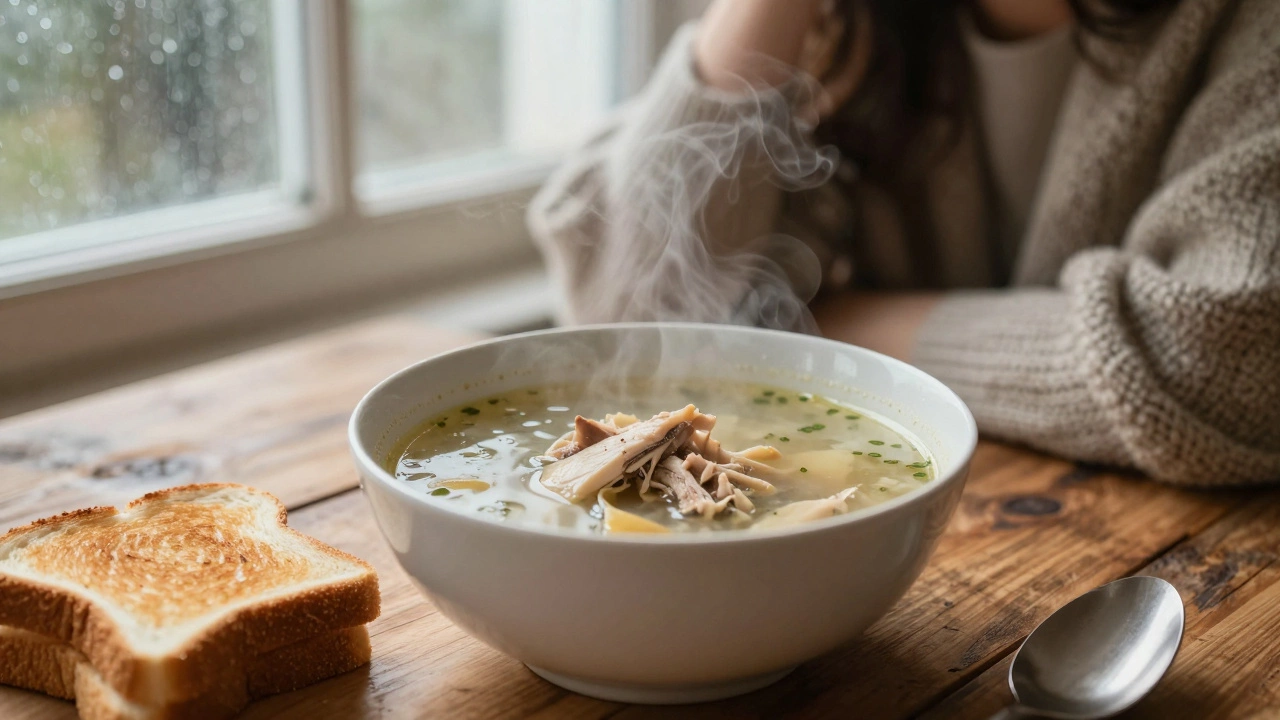
Have you ever craved a bowl of hot soup on a rainy Tuesday evening? Or maybe a slice of cheesy lasagna after a long week at work? That pull isn't just hunger. It's something deeper. We call it traditional comfort food. But what exactly makes a dish "comforting"? Is it the taste? The memory? Or is there actual science behind why we reach for mac and cheese when we're sad?
We often think of comfort food as just heavy carbs and fats. While that’s partly true, the definition is much richer. It’s about emotional connection, cultural heritage, and biological needs all mixing together in one plate. In this guide, we’ll break down what traditional comfort food really is, where it comes from, and how different cultures define their own versions of home.
The Psychology Behind the Craving
Let’s start with the brain. When you’re stressed, your body releases cortisol. This hormone signals your body to seek out quick energy sources. Historically, those sources were high-calorie foods like fats and sugars. Today, that translates into cookies, fries, or creamy pasta dishes.
But it’s not just biology. It’s also psychology. Food memories are powerful. If your grandmother always made a specific stew when you were sick, that smell triggers a safety response in your brain years later. This is called nostalgia. Nostalgia acts as an emotional buffer. Eating familiar foods reduces anxiety by reminding us of safer, happier times.
Researchers have found that people tend to choose comfort foods based on two main drivers:
- Emotional Regulation: Using food to soothe negative feelings like sadness or stress.
- Social Bonding: Foods eaten during family gatherings or holidays become associated with love and belonging.
This explains why "diet" foods rarely satisfy a comfort craving. They lack the sensory richness-texture, aroma, temperature-that our brains associate with care and protection.
Origins: From Peasantry to Pop Culture
The term "comfort food" might sound modern, but the concept is ancient. In the UK, the phrase gained popularity in the mid-20th century, though the practice dates back centuries. Traditionally, these dishes were born out of necessity, not luxury.
Consider Shepherd’s Pie. Originally, this was a way for working-class families to use up leftover roasted meat. By topping it with mashed potatoes, they created a warm, filling meal that stretched limited resources. Over time, this practical solution became a symbol of home cooking. What started as survival cuisine evolved into a cherished tradition.
In the United States, comfort food has strong ties to Southern cuisine. Dishes like fried chicken, biscuits, and collard greens originated from African American culinary traditions. These foods provided sustenance and community during difficult historical periods. Today, they represent resilience and cultural pride.
It’s important to note that comfort food wasn’t always "healthy" by modern standards. It was calorie-dense because labor-intensive jobs required high energy intake. As our lifestyles have become more sedentary, the health implications of frequent comfort food consumption have shifted. However, the emotional role remains unchanged.
Global Perspectives: Comfort Around the World
If you ask someone in Italy, Japan, or Mexico what their comfort food is, you won’t get the same answer as someone in Ohio. Comfort food is deeply local. It reflects regional ingredients, climate, and history.
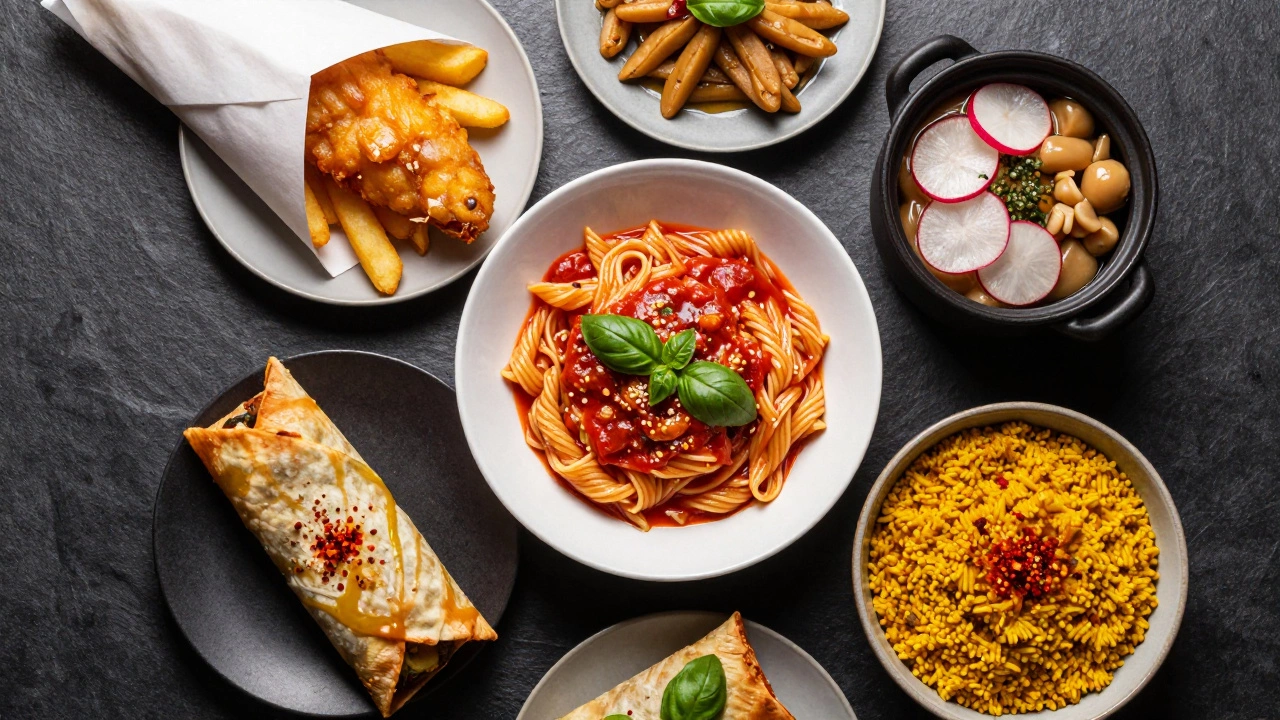
| Region | Dish | Key Ingredients | Why It Comforts |
|---|---|---|---|
| United Kingdom | Fish and Chips | Cod, Beer Batter, Potatoes | Warm, salty, portable; associated with seaside trips and Friday nights. |
| Japan | Oden | Dashi broth, Daikon radish, Fish cakes | Hot, savory broth warms the body during cold winters; simple and humble. |
| Mexico | Tamales | Masa dough, Pork/Chicken, Chili sauce | Labor-intensive preparation signifies family effort and holiday gatherings. |
| Italy | Pasta al Pomodoro | Pasta, Tomatoes, Basil, Olive Oil | Simplicity and familiarity; evokes Sunday family lunches. |
| India | Khichdi | Rice, Lentils, Ghee, Turmeric | Easy to digest, often given when sick; represents maternal care. |
Notice a pattern? Most global comfort foods are soft, warm, and easy to digest. They prioritize texture over complexity. A crunchy salad rarely fits the bill. Instead, we crave stews, porridges, and baked goods. This consistency across cultures suggests a universal human need for soothing textures.

The Science of Texture and Temperature
Why do we prefer hot soups over cold salads when we’re feeling down? Temperature plays a huge role. Warmth physically relaxes muscles and mimics the sensation of being held or hugged. Psychologically, heat is associated with hospitality and care.
Texture is equally important. Soft foods require less chewing, which lowers jaw tension-a common physical symptom of stress. Creamy sauces, tender meats, and fluffy breads provide oral satisfaction that feels protective. This is known as sensory satiety.
Flavor profiles also matter. Sweetness triggers dopamine release, while salt enhances flavor perception and balances bitterness. Umami (savory) flavors, found in aged cheeses, mushrooms, and broths, signal protein richness and safety. Our ancestors learned to trust umami-rich foods because they indicated nutrient density.
Interestingly, spicy foods can also be comforting. Capsaicin, the compound that makes chili peppers hot, triggers endorphin release. For many cultures, a spicy curry or salsa provides a pleasant burn that distracts from emotional pain.
Modern Twists on Traditional Classics
Today’s comfort food landscape is evolving. Health consciousness has led to lighter versions of classic dishes. You can now find cauliflower mash instead of potato, or chickpea flour batters for fish and chips. But does "light" comfort food still count?
For many, yes. The key is intentionality. If a modified recipe brings you the same emotional relief, it serves its purpose. However, some argue that removing fat and sugar strips away the very elements that make the food comforting. It’s a balance between physical health and mental well-being.
Chefs and home cooks alike are experimenting with fusion comfort foods. Imagine kimchi mac and cheese, or sushi burritos. These hybrids honor tradition while adapting to modern palates. They show that comfort food isn’t static-it grows with us.
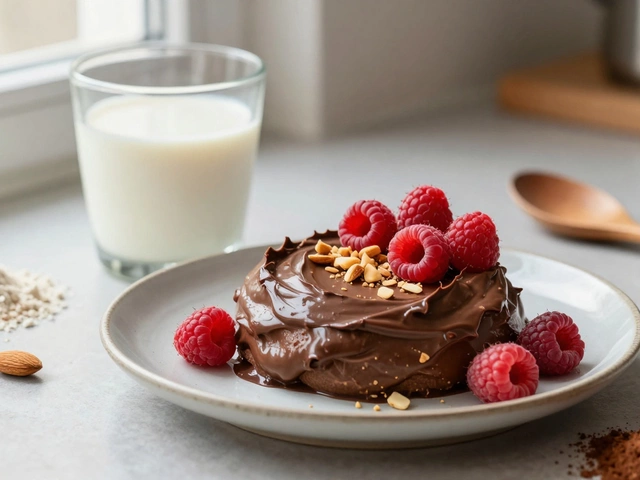
Another trend is plant-based comfort. Vegan lasagnas and dairy-free chocolate puddings prove that you don’t need animal products to feel soothed. Legumes, nuts, and whole grains offer rich textures and deep flavors that mimic traditional indulgences.
How to Make Your Own Comfort Food
You don’t need a fancy kitchen to create comfort food. In fact, simplicity is often the secret ingredient. Here’s how to approach making your own soul-soothing meals:
- Start with Memory: Think of a meal that made you feel safe as a child. Was it grilled cheese? Rice pudding? Use that as your base.
- Focus on Aroma: Sauté onions, garlic, or spices slowly. The smell alone can trigger relaxation before you even take a bite.
- Add Warmth: Serve dishes piping hot. Let them sit in a warm bowl or cast-iron skillet to retain heat longer.
- Include Texture Contrast: Even in soft foods, add a crunch. Toasted seeds on soup, crispy breadcrumbs on casseroles, or fresh herbs on rice.
- Don’t Overcomplicate: Comfort food shouldn’t require twenty steps. Keep ingredients accessible and techniques straightforward.
Example Recipe Idea: One-Pot Creamy Tomato Pasta. Cook pasta directly in a simmering tomato sauce with a splash of cream or coconut milk. Add spinach and Parmesan. Done in 15 minutes. It’s messy, easy, and deeply satisfying.
FAQ
Is comfort food unhealthy?
Not necessarily. While many traditional comfort foods are high in calories, fat, or sodium, they can be part of a balanced diet. The key is moderation. Emotional eating becomes problematic when it replaces regular meals or leads to guilt. Opting for homemade versions allows you to control ingredients, adding vegetables or lean proteins to boost nutrition without losing the comforting factor.
Why do I crave sweets when I'm stressed?
Stress increases cortisol, which boosts appetite for quick-energy foods like sugar. Additionally, sweet tastes trigger dopamine release in the brain, providing temporary mood elevation. This is a natural biological response, though relying solely on sweets can lead to energy crashes. Pairing sweets with protein or fiber can help stabilize blood sugar levels.
Can healthy food be comfort food?
Absolutely. Comfort is subjective. If a bowl of oatmeal with berries and honey makes you feel calm and cared for, it is your comfort food. Many people find warmth and texture in wholesome foods like roasted root vegetables, lentil soups, or avocado toast. The emotional connection matters more than the nutritional label.
What is the most popular comfort food in the world?
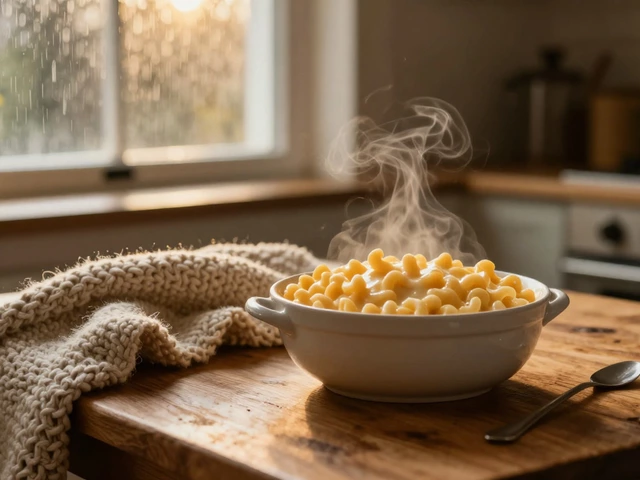
There is no single global winner, as preferences vary by culture. However, rice-based dishes, breads, and stews appear frequently across continents. In surveys, macaroni and cheese often tops lists in Western countries, while ramen and congee are favorites in Asia. Universally, warm, carb-heavy meals dominate comfort food rankings.
How does childhood influence adult comfort food choices?
Childhood experiences shape our palate and emotional associations with food. Foods eaten during positive family moments or when cared for during illness become linked to safety. Adults often return to these flavors during times of vulnerability, seeking the same sense of security they felt as children. This is why personal comfort foods are rarely universal-they are deeply individual.






Write a comment