Potato Gluten Safety Checker
Select a potato dish or product below to check its gluten-free status and learn about potential risks.
- •
- •
- •
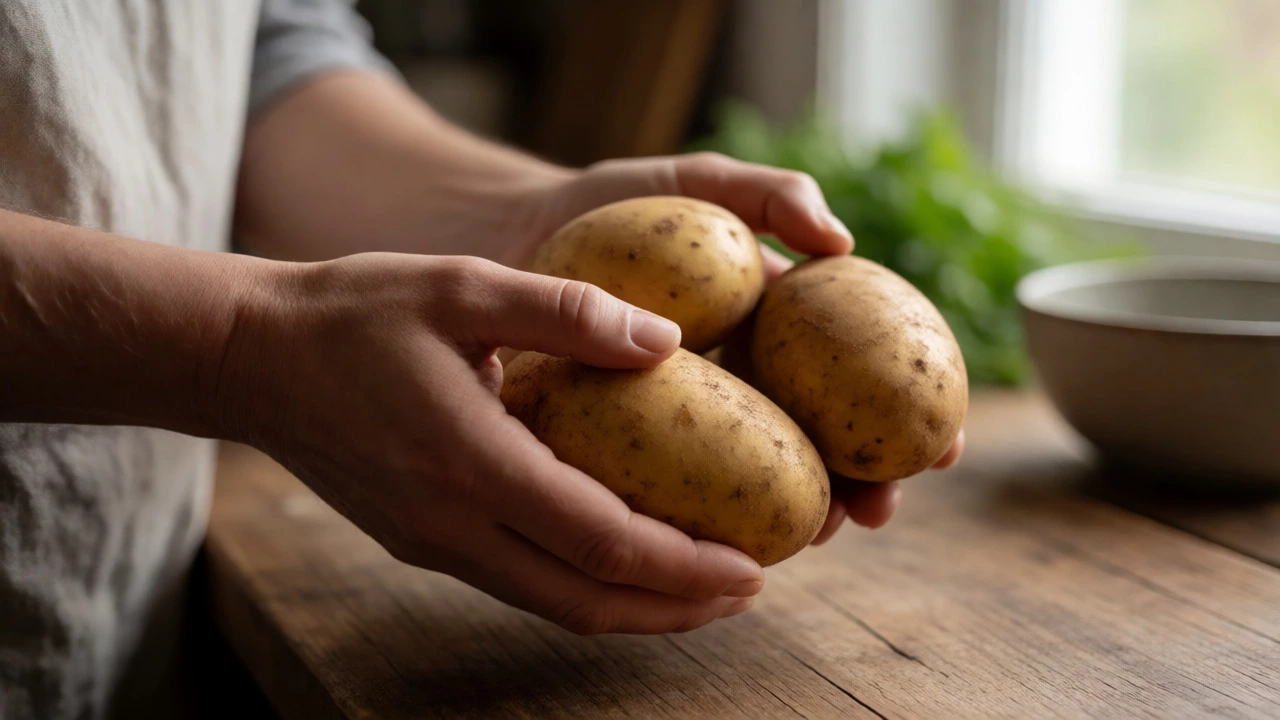
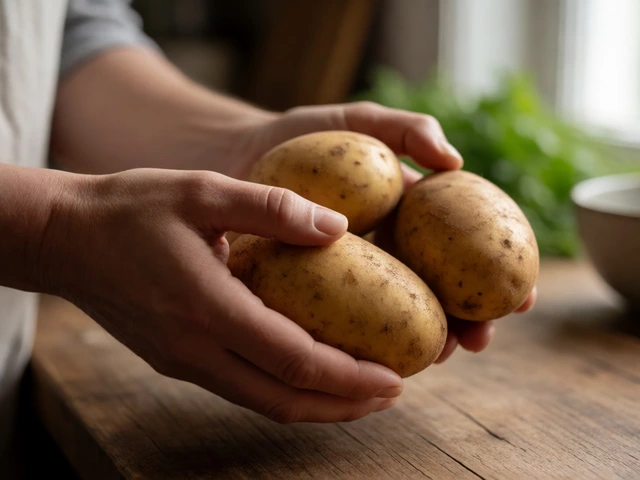
You’re standing in the kitchen, holding a bag of potatoes, wondering if you can safely toss them into your stew. It’s a common worry for anyone navigating gluten free recipes, especially if you’ve recently been diagnosed with coeliac disease or non-celiac gluten sensitivity. The good news is straightforward: raw potatoes are naturally gluten-free. They don’t contain wheat, barley, or rye proteins that trigger reactions in sensitive guts.
But here’s where it gets tricky. While the potato itself is safe, how you prepare it matters enormously. A baked potato straight from the oven? Safe. Potato chips fried in shared oil at a pub? Risky. Mashed potatoes loaded with gravy made from flour? Not safe. This article breaks down exactly when potatoes are safe to eat, where hidden gluten lurks, and how to keep your spud habit guilt-free without risking a flare-up.
The Science Behind Potatoes and Gluten
To understand why potatoes are generally safe, we need to look at what gluten actually is. Gluten is a group of proteins found specifically in certain grains-mainly wheat, barley, and rye. These proteins give dough its elasticity and help bread rise. Potatoes, on the other hand, are tubers belonging to the nightshade family. Their nutritional profile relies on starches, not the prolamins (gliadin and secalin) that cause issues in people with Celiac Diseasean autoimmune disorder triggered by gluten consumption.
Because potatoes lack these specific proteins, they don’t activate the immune response that damages the small intestine in celiac patients. For someone with a wheat allergy, the story is slightly different since allergies involve IgE antibodies rather than autoimmune damage, but even then, potatoes are rarely the culprit unless there’s a rare nightshade sensitivity. So, biologically speaking, the potato is a blank slate. It’s an excellent source of potassium, vitamin C, and fiber, making it a nutritious staple for any diet.
When Potatoes Become a Gluten Trap
If the potato itself is innocent, why do so many people still get sick after eating them? The answer lies in processing and preparation. Cross-Contaminationthe transfer of gluten particles from one food item to another is the silent killer in the gluten-free world. Let’s look at the most common scenarios where safe potatoes turn unsafe.
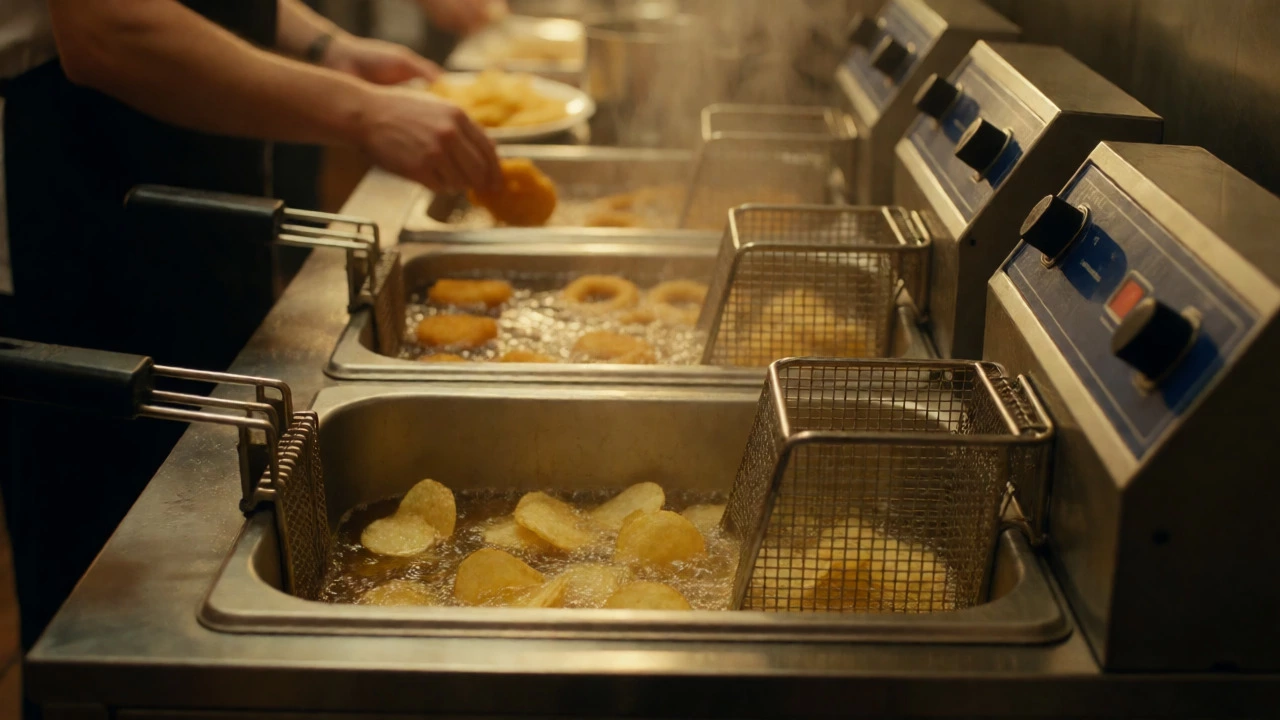
Potato Chipsthin slices of potato cooked in oil are the biggest offender. Many brands fry their chips in the same oil vat as breaded chicken nuggets or onion rings. That oil becomes saturated with gluten particles. Unless the package explicitly states "gluten-free" and mentions dedicated fryers, assume those chips are contaminated. Always check labels for warnings like "may contain traces of wheat."
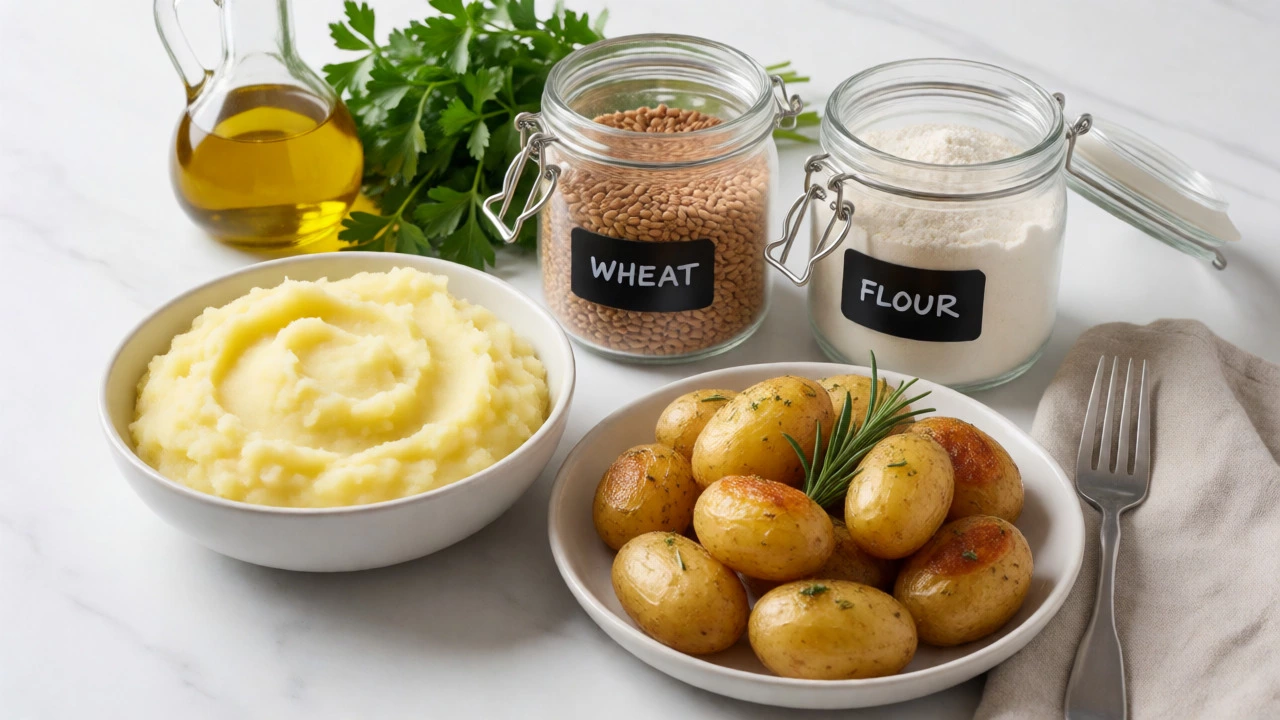
Mashed potatoes present another hurdle. Traditional recipes often use flour to thicken the sauce or butter that has been processed in facilities handling wheat products. If you’re ordering mashed potatoes at a restaurant, ask if they use plain butter or margarine and whether the milk used contains additives derived from wheat. Better yet, make them yourself using olive oil or confirmed gluten-free butter.
| Preparation Method | Gluten Status | Risk Factor |
|---|---|---|
| Boiled/Baked Plain | Safe | None |
| Homemade Fries (Dedicated Oil) | Safe | Low |
| Restaurant Fries | Risky | Shared Fryer |
| Hash Browns (Frozen) | Check Label | Additives/Stabilizers |
| Gnocchi (Traditional) | Not Safe | Wheat Flour Binder |
Navigating Processed Potato Products
Not all potato products are created equal. When you buy packaged goods, you’re dealing with industrial processes that introduce ingredients you might not expect. Take Instant Mashed Potatoesdehydrated potato flakes requiring rehydration. Some cheap brands add maltodextrin or modified food starch. While maltodextrin is usually derived from corn or tapioca, it can occasionally come from wheat. In the UK and EU, labeling laws require clear declaration of allergens, but US regulations allow vague terms like "natural flavors," which can hide gluten sources.
Then there’s GnocchiItalian dumplings traditionally made with potato and flour. Standard gnocchi uses significant amounts of wheat flour to bind the potato dough. Eating traditional gnocchi means consuming gluten. However, some manufacturers now produce rice-flour-based gnocchi, offering a safe alternative for Italian cuisine lovers. Always read the ingredient list; if it says "durum wheat semolina," put it back on the shelf.
Even seemingly simple things like potato salad can be problematic. Commercial dressings sometimes use thickeners derived from wheat. Homemade versions using mayonnaise (check for vinegar sources), mustard, and herbs are far safer. Vinegar distilled from grain is generally considered gluten-free because the distillation process removes proteins, but those with extreme sensitivity often prefer apple cider or white wine vinegar to be absolutely sure.
Eating Out: How to Order Potatoes Safely
Dining out requires vigilance. You can’t see gluten, and servers often don’t know the difference between "no wheat" and "gluten-free." Here’s a script that works well in Brighton restaurants and elsewhere:
- Ask about the fryer: "Do you have a dedicated gluten-free fryer for your chips?" If they say no, skip the fries. Opt for boiled new potatoes instead.
- Inquire about toppings: "Is the gravy thickened with flour?" Gravy is almost always made with a roux (flour and fat). Ask for dry gravy granules mixed with water or hot beef stock instead.
- Clarify butter vs. spread: Some spreads contain emulsifiers derived from wheat. Stick to pure butter or olive oil if unsure.
A great strategy is choosing dishes where the potato is the main component prepared simply. Jacket potatoes with cheese and beans are usually safe, provided the beans aren’t in a tomato sauce containing malt vinegar (which is brewed from barley). Baked sweet potatoes are also a fantastic option, as they are less likely to be pre-breaded or processed than regular white potatoes.
Cooking Tips for the Home Kitchen
At home, you control the environment. To ensure your potatoes remain gluten-free, follow these best practices:
- Separate cutting boards: If you chop bread on a wooden board, wash it thoroughly before cutting potatoes. Wood pores trap gluten particles.
- Dedicated toaster bags: If you toast sliced potatoes or serve them alongside toast, use separate racks or bags to prevent crumbs from falling onto your spuds.
- Watch the oil: If you fry potatoes at home, never reuse oil that previously fried breaded foods. Use fresh oil every time for guaranteed safety.
- Label check ritual: Get into the habit of scanning labels for "contains wheat," "barley," or "rye." Even if a product looks like just potatoes, additives matter.
One personal tip: I keep a set of blue-handled utensils in my kitchen reserved exclusively for gluten-free prep. It sounds silly, but visual cues prevent accidental mixing. My daughter loves her roasted baby potatoes, and knowing they were tossed in olive oil and rosemary-not dusted with seasoned flour-gives me peace of mind.
Beyond Potatoes: Related Starches
Understanding potatoes helps clarify confusion around other root vegetables and grains. People often lump them together, but their gluten status varies wildly.
| Food Item | Gluten-Free? | Notes |
|---|---|---|
| White Potato | Yes | Naturally GF |
| Sweet Potato | Yes | Naturally GF |
| Yam | Yes | Naturally GF |
| Oats | Usually No | Often cross-contaminated; buy certified GF oats |
| Couscous | No | It is tiny pasta made from wheat |
| Quinoa | Yes | Technically a seed, naturally GF |
Note that couscous trips people up constantly. It looks like a grain, cooks like a grain, but it’s pasta. Never substitute couscous for quinoa or rice in a gluten-free meal plan. Similarly, while oats are technically gluten-free, they are frequently processed in facilities that handle wheat. Unless the packet says "Certified Gluten-Free Oats," treat them as risky.
Final Thoughts on Spud Safety
Potatoes are a versatile, affordable, and delicious part of a gluten-free lifestyle. The fear shouldn’t be the potato itself, but the company it keeps. By sticking to whole, unprocessed forms and being vigilant about shared cooking equipment, you can enjoy everything from crispy roasties to creamy mash without worry. Remember, knowledge is your best defense against hidden gluten. Read labels, ask questions, and cook smart.
Are all types of potatoes gluten-free?
Yes, all varieties of potatoes-including Russet, Yukon Gold, Red, and Sweet potatoes-are naturally gluten-free. They do not contain wheat, barley, or rye proteins. The only risk comes from added ingredients or cross-contamination during processing or cooking.
Can I eat French fries at a fast-food restaurant?
Generally, no. Most fast-food chains fry their potatoes in shared vats with breaded items like chicken nuggets or fish sticks. This leads to cross-contamination. Only eat fries if the restaurant explicitly states they use a dedicated gluten-free fryer.
Is malt vinegar gluten-free?
No, traditional malt vinegar is made from barley, which contains gluten. If you want to season your chips or potatoes, use distilled white vinegar, apple cider vinegar, or balsamic vinegar instead. Note that distilled vinegar from wheat is usually safe due to the distillation process removing proteins, but malt vinegar is not distilled in the same way regarding allergen removal.
Are instant mashed potatoes gluten-free?
Not always. While some are just dehydrated potatoes, others include additives, flavorings, or thickeners that may contain gluten. Always check the label for wheat, barley, or rye. Look for products labeled "gluten-free" to be safe.
Does potato starch contain gluten?
Pure potato starch is gluten-free and is often used as a thickening agent in gluten-free baking. However, ensure it is not blended with wheat starch unless specified. Pure potato starch is a safe and effective alternative to cornstarch or flour.


Write a comment