Find Your Perfect Lunch Match
Answer these three questions to get a personalized recommendation.
Ready to decide?
Select your options on the left to generate your ideal lunch plan.
It’s 12:30 PM. Your stomach is growling, your energy is dipping, and you have exactly twenty minutes before your next meeting or task. You open the fridge (or the delivery app) and feel that familiar wave of indecision. What do you eat? Too heavy, and you’ll crash in an hour. Too light, and you’ll be hungry by 2 PM. The search for the best lunch isn’t just about taste; it’s about fueling your afternoon without sacrificing your time.
After years of testing what works-and what leaves me staring at my screen with a headache-I’ve learned that the "best" lunch depends entirely on your lifestyle. Are you meal prepping on Sunday? Do you have a microwave at work? Or are you grabbing something on the go in Brighton? Here is how to pick the right meal for your specific situation, backed by nutrition logic and real-world convenience.
The Anatomy of a Perfect Lunch
Before we get into recipes, let’s look at why some lunches fail us. The biggest culprit is usually the carbohydrate crash. If you eat a plain bagel or a pasta dish with no protein or fiber, your blood sugar spikes rapidly, giving you a burst of energy followed by a severe slump. This is why you feel tired after eating a heavy carb-only lunch.
A balanced lunch plate should follow a simple ratio:
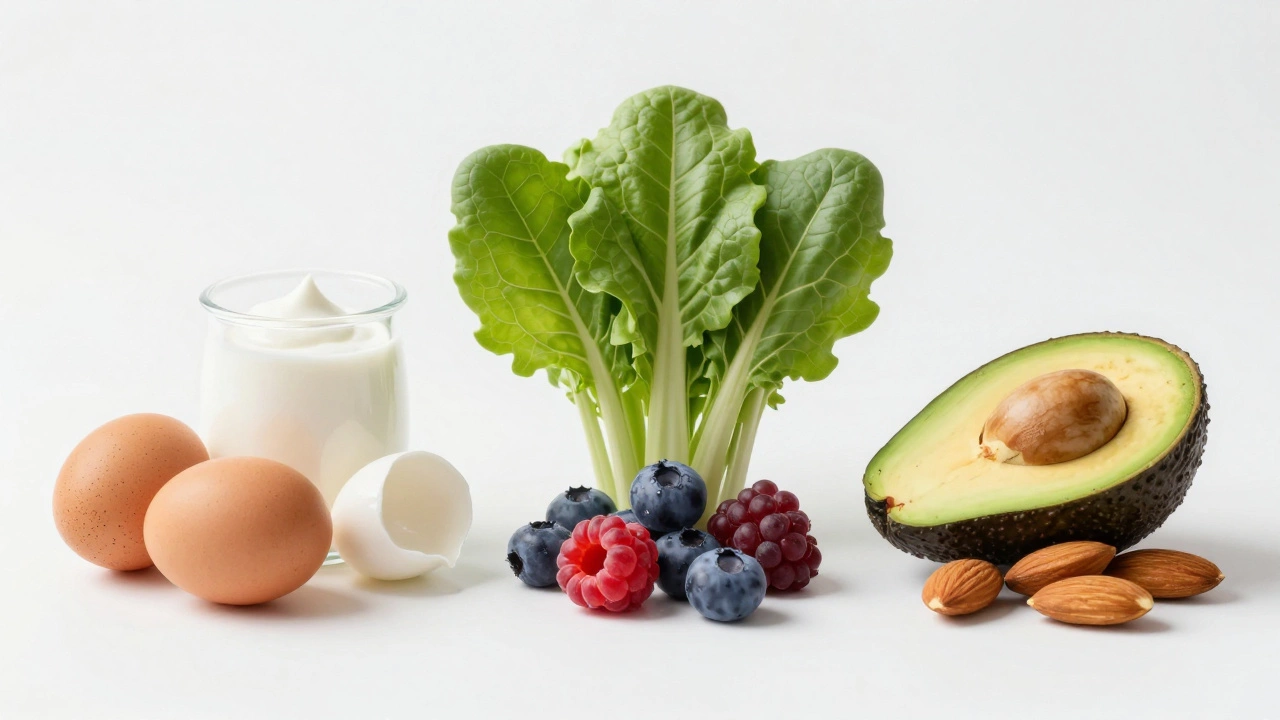
- Protein: Essential for satiety and muscle maintenance. Aim for 20-30 grams per meal. (Chicken, tofu, eggs, Greek yogurt, beans)
- Fiber: Slows digestion and keeps you full. Found in vegetables, fruits, and whole grains. (Leafy greens, berries, quinoa, chickpeas)
- Healthy Fats: Provides sustained energy and aids nutrient absorption. (Avocado, nuts, olive oil, seeds)
When you combine these three elements, you create a meal that digests slowly. This means steady energy levels throughout the afternoon. It also prevents the urge to raid the office candy jar at 3 PM.
Top 5 Quick Lunch Ideas for Different Lifestyles
Not everyone has the same constraints. Some people have access to a kitchen; others rely on cold storage. Here are five versatile options that cover most bases.
| Lunch Type | Prep Time | Reheating Needed? | Best For |
|---|---|---|---|
| Mason Jar Salads | 10 mins (batch) | No | Office workers with fridges |
| Wrap Sandwiches | 5 mins | No | On-the-go / No fridge access |
| Grain Bowls | 15 mins | Yes (Microwave) | Home cooks / Meal preppers |
| Smoothie + Snack | 3 mins | No | Hot days / No appetite |
| Soup & Salad Combo | 5 mins | Yes (Microwave) | Cold weather / Comfort seekers |
1. Mason Jar Salads (The Cold Storage King)
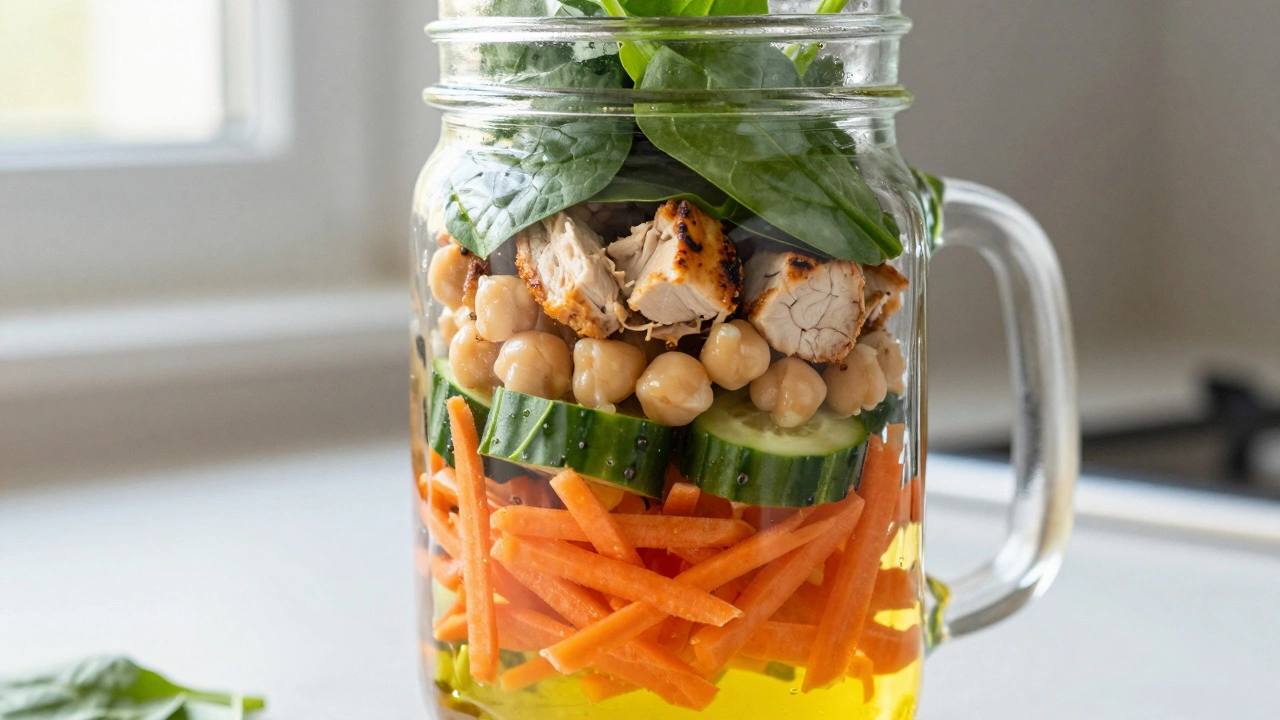
If you have a fridge at work, this is arguably the most efficient lunch you can make. The trick is layering. Dressing goes at the bottom, then hard vegetables (carrots, cucumbers), then proteins (chicken, chickpeas), and finally leafy greens on top. This keeps the lettuce from getting soggy for up to four days. When you’re ready to eat, shake the jar over a bowl. It’s fresh, crunchy, and requires zero cooking during the week.
2. The Power Wrap (Portable & Leak-Proof)
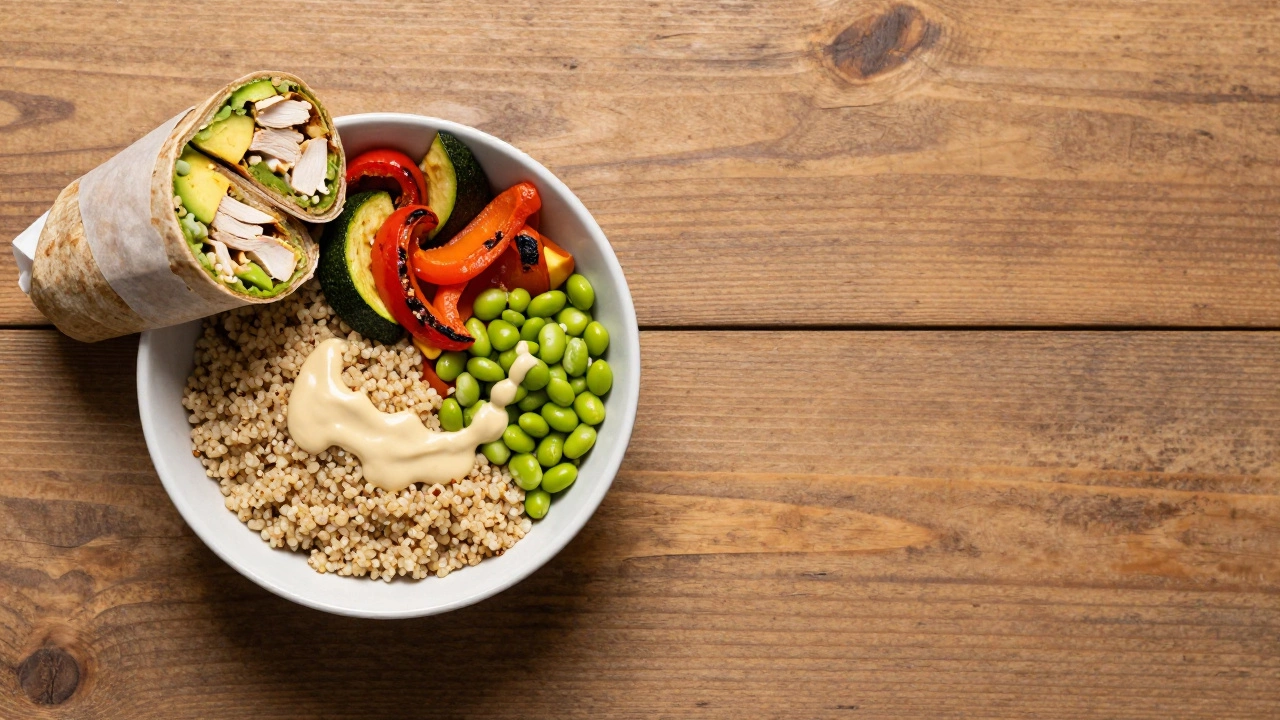
Bread gets squished. Wraps stay intact. Use a whole-wheat or spinach tortilla as your base. Spread hummus or mashed avocado for moisture and fat. Add sliced turkey breast or falafel, plus plenty of shredded cabbage or spinach. Roll it tightly and wrap it in parchment paper. This holds together well, so you can eat it while walking or driving. It’s also easy to customize based on what’s left in your fridge.
3. Grain Bowls (The Microwave Favorite)
Grains like quinoa, brown rice, or farro hold up incredibly well when reheated. Cook a large batch on Sunday. During the week, mix a cup of grain with roasted vegetables (zucchini, bell peppers, broccoli) and a protein source like grilled chicken or edamame. Drizzle with tahini or soy-ginger dressing. These bowls reheat evenly in the microwave and often taste better the second day as flavors meld.
4. Soup and Side Salad
Soups are perfect for meal prep because they freeze beautifully. Lentil soup, minestrone, or chicken noodle soup can be made in bulk. Pack the soup in a leak-proof container and pair it with a small side salad or a piece of fruit. This combination provides warmth and comfort without the heaviness of a solid meal. It’s particularly good if you live in a place like Brighton, where the weather can be unpredictable and chilly.
5. Smoothie and Protein Snack
Sometimes you don’t want to chew. A thick smoothie made with frozen bananas, spinach, protein powder, and almond milk can be very filling if done right. Pair it with a handful of almonds or a hard-boiled egg to ensure you get enough protein. This is ideal for hot days or when you have a very short break.
Meal Prep Hacks to Save Time
The barrier to eating healthy lunch isn’t always knowledge; it’s time. Here are three strategies to reduce daily decision fatigue.
- Theme Nights: Instead of planning every single day, assign themes. Monday is Meatless, Tuesday is Taco Night (burrito bowls), Wednesday is Leftovers. This simplifies grocery shopping and cooking.
- Component Cooking: Don’t assemble full meals. Instead, cook separate components: roast a tray of veggies, boil six eggs, grill four chicken breasts. Mix and match them during the week based on your mood.
- Freezer Friendly: Identify which meals freeze well. Soups, stews, and casseroles are great candidates. Make double batches and freeze half immediately. Thaw overnight in the fridge for the next day’s lunch.
What to Avoid: Common Lunch Mistakes
Even with good intentions, some choices backfire. Avoid these common pitfalls:
- Overloading on Carbs: A sandwich with white bread and mayo lacks balance. Swap for whole grain and add veggies.
- Skipping Protein: Fruit and crackers might seem light, but they won’t keep you full. Always add a protein source.
- Ignoring Hydration: Sometimes thirst masks itself as hunger. Drink a glass of water before your lunch to see if you’re actually hungry.
Conclusion: Find Your Rhythm
There is no single "best" lunch for everyone. The best lunch is the one you will actually eat consistently. Experiment with these formats until you find what fits your schedule, budget, and taste preferences. Once you establish a routine, preparing lunch becomes automatic rather than a daily struggle.
How long does homemade lunch last in the fridge?
Most homemade lunches, including salads, grain bowls, and cooked meats, last 3-4 days in the refrigerator if stored in airtight containers. Soups and stews can last up to 5 days. Always check for off smells or slimy textures before eating.
Is it okay to eat the same lunch every day?
Yes, eating the same healthy lunch daily is perfectly fine and can simplify life. Just ensure your overall diet throughout the week includes a variety of nutrients. Rotate your snacks and dinners to get diverse vitamins and minerals.
What are cheap lunch ideas?
Beans, lentils, eggs, and seasonal vegetables are inexpensive protein and fiber sources. Rice and oats are cheap carbohydrates. Combining these ingredients creates nutritious meals like lentil soup or bean burritos for under £2 per serving.
Can I meal prep salads for the whole week?
Yes, using the Mason Jar method. Layer dressing at the bottom and greens on top. This prevents wilting. Hardier vegetables like carrots and cucumbers stay crisp for 4-5 days. Delicate herbs may wilt faster, so add them fresh on day 1 or 2.
Why do I feel tired after lunch?
Post-lunch fatigue is often caused by a spike and subsequent drop in blood sugar. This happens when you eat high-carb, low-protein/fiber meals. Balancing your plate with protein, healthy fats, and fiber helps maintain stable energy levels.




Write a comment