Family Dinner Planner
Enter your current weekly routine to see how your family stacks up against research benchmarks and receive tailored strategies.
Results will appear here after you click "Analyze My Plan".
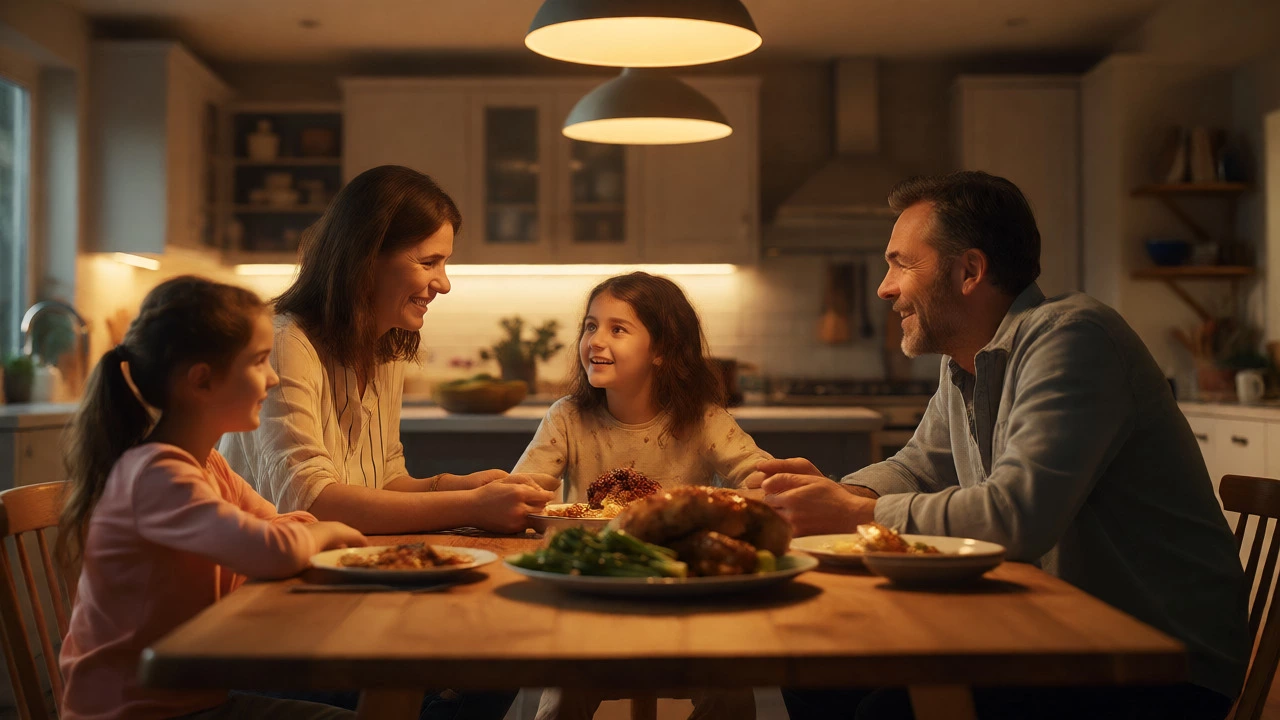
Remember the last time your whole family sat down for a proper meal? Maybe it was a chaotic Tuesday with leftover pizza, or perhaps a Sunday roast that took hours to prepare. Either way, that shared table moment is becoming rarer in modern households. Family dinner is the practice of household members sharing a main evening meal together, often linked to improved child development and stronger social bonds. It’s not just about nutrition; it’s about connection. But with work schedules, school runs, and screen distractions, how do we make it happen? And more importantly, does it actually matter?
The short answer is yes. Research consistently shows that regular family meals correlate with better grades, lower rates of substance abuse, and healthier eating habits in children. But knowing this doesn’t magically put food on the table at 6 PM. You need strategies that fit real life. Let’s break down why this habit matters, what the data says, and how you can start without turning your kitchen into a stress zone.
The Real Impact of Shared Meals
It’s easy to dismiss family dinners as old-fashioned nostalgia, but the science backs up the sentiment. When kids eat with their parents, they consume more fruits, vegetables, and calcium-rich foods. They also tend to eat less fried food and sugary drinks. This isn’t because parents force them to eat broccoli; it’s because modeling behavior works. If Dad eats salad, Kid tries salad. If everyone orders fast food separately while watching Netflix, nobody learns to appreciate a balanced plate.
Beyond nutrition, the psychological benefits are profound. A study from Columbia University found that teens who had frequent family dinners were less likely to use tobacco, alcohol, or marijuana. Why? The dinner table acts as a low-pressure check-in point. It’s where you notice if your daughter is quiet or your son is angry before those emotions boil over into bigger issues. You don’t need a therapist’s couch; you just need a table and some pasta.
Language development gets a boost too. Conversations at the dinner table expose younger children to richer vocabulary than typical playtime interactions. Parents naturally explain things, ask questions, and tell stories during meals. This verbal exchange builds cognitive skills that help in school later on. So, when you’re asking “What should we have for dinner?” you’re actually investing in your child’s future academic success.
Overcoming the Modern Obstacles
If family dinners are so great, why aren’t we doing them more? Blame the schedule. Both parents working full-time, kids’ extracurricular activities, and the sheer exhaustion of the day make cooking feel like an impossible task. Many families fall into the trap of thinking a “real” dinner requires a home-cooked, three-course meal. That perfectionism kills the habit before it starts.
You have to redefine what counts. A family dinner can be scrambled eggs for breakfast-for-dinner. It can be rotisserie chicken bought from the supermarket with bagged salad. It can even be takeout eaten from containers at the table instead of in front of the TV. The key ingredient isn’t culinary skill; it’s presence. Turn off the phones. Put the tablets away. Focus on being in the same room, chewing the same food, and talking.
Another major hurdle is picky eaters. If one kid refuses to eat anything green, mealtimes can turn into battles. Instead of forcing compliance, try involving them in the process. Kids who help plan menus or wash vegetables are more likely to eat what they helped create. It gives them a sense of control. Also, keep portions small. Overloading plates can be overwhelming. Let them ask for seconds if they’re still hungry. This reduces power struggles and keeps the atmosphere light.

Simple Strategies to Start Tonight
You don’t need to overhaul your entire lifestyle overnight. Start small. Pick two nights a week where the goal is simply to sit together. Consistency matters more than frequency. Once those two nights become routine, add a third. Here are some practical tactics that work for busy families:
- Batch Cook Basics: Spend an hour on Sunday prepping grains, chopping veggies, or marinating proteins. Having these ready cuts weekday cooking time in half.
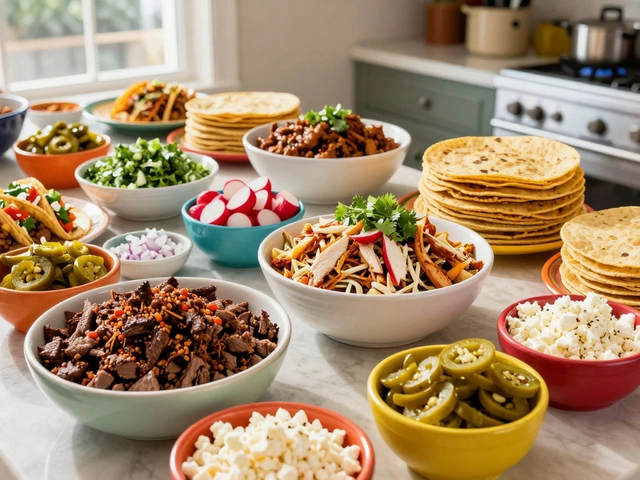
- Theme Nights: Taco Tuesday, Pizza Friday, or Breakfast Monday. Themes reduce decision fatigue. Everyone knows what to expect, which lowers resistance.
- The 15-Minute Rule: If you haven’t started cooking by 6:30 PM, switch to a quick option. Canned soup, toasties, or stir-fry kits are fine. Don’t let the perfect be the enemy of the good.
- Involve Everyone: Assign age-appropriate tasks. Toddlers can tear lettuce. Teens can chop onions (if they’re careful) or set the table. Participation builds ownership.
Consider the environment, too. Is your dining area comfortable? If the table is cluttered with mail or homework, clear it off. Make it a space dedicated to eating and talking. Soft lighting helps relax people after a long day. Background music can fill awkward silences, but keep it low enough so conversation remains possible.
Navigating Conversation Pitfalls
Silence can be golden, but forced interrogation is toxic. Avoid starting every meal with “How was school?” followed by “Did you finish your homework?” Kids shut down quickly under this barrage. Instead, share something from your own day first. Model vulnerability and interest. Say, “Today I made a mistake at work,” or “I saw a funny dog on my walk.” This invites reciprocity rather than demanding answers.
For teenagers, direct questions often fail. Try open-ended prompts like “What’s the weirdest thing you heard today?” or “If you could travel anywhere right now, where would you go?” These spark imagination and storytelling. Keep politics and heavy news out of early conversations unless the mood is right. Dinner should be a safe harbor, not a debate club.
What if someone is grumpy? Acknowledge it briefly (“You seem tired”) and move on. Don’t try to fix their mood immediately. Sometimes, just having company is enough. Respect boundaries. If your teen wants to eat quickly and retreat to their room, allow it occasionally. Forcing interaction breeds resentment. Aim for quality over quantity of words.

Adapting for Different Family Structures
Not every family looks like the 1950s sitcom ideal. Single parents, blended families, shift workers, and multi-generational households all face unique challenges. The core principle remains the same: intentional connection. For single parents, maybe the “dinner” happens earlier in the evening with grandparents joining via video call. For shift workers, weekend brunches might serve as the primary bonding meal.
Blended families require extra patience. Establishing new rituals takes time. Don’t force immediate harmony. Create neutral ground through food. Cooking together can bridge gaps between step-siblings or new partners. It’s a shared activity with a tangible reward-eating! Be flexible with timing. If the traditional 6 PM slot clashes with soccer practice, aim for 7:30 PM. The clock matters less than the commitment to show up.
| Approach | Time Commitment | Cost | Best For |
|---|---|---|---|
| Home-Cooked From Scratch | High (45-90 mins) | Moderate to High | Families with flexible schedules who enjoy cooking |
| Meal Prep / Batch Cooking | Medium (1 hr weekly prep) | Low to Moderate | Busy professionals and large families |
| Rotisserie & Sides | Low (15-20 mins) | Moderate | Weeknight survival mode |
| Takeout In | Very Low (0-10 mins) | High | Special occasions or exhausted weeks |
| Breakfast for Dinner | Low (15 mins) | Low | Kids who prefer sweet/savory morning flavors |
Keeping It Sustainable Long-Term
Don’t burn yourself out trying to be a Michelin-star chef every night. Sustainability is key. If you dread cooking, change the menu. Rotate simple favorites. Accept that some nights will be messy, loud, or boring. That’s normal. The goal isn’t Instagram-worthy photos; it’s building a memory bank of shared moments.
Track your progress loosely. Maybe you hit four dinners out of seven one week. Celebrate that. Next week, aim for five. Adjust based on energy levels. If winter makes everyone stay indoors, leverage cozy soups and stews. In summer, fire up the grill for quick burgers. Seasonality can refresh the routine without adding complexity.
Finally, forgive yourself when you miss a night. Life happens. Illness, late meetings, or sudden plans disrupt routines. The next day is a new opportunity. The cumulative effect of most nights together outweighs the occasional absence. Your children won’t remember the Tuesday you ordered curry because you were too tired to cook. They’ll remember the hundred times you laughed together over bad jokes and spilled milk.
How many times a week should a family eat dinner together?
Research suggests aiming for three to five times per week offers significant benefits. However, consistency is more important than hitting a specific number. Starting with two nights and gradually increasing is a sustainable approach for most busy households.
Does it count if we order takeout?
Yes. The nutritional value is secondary to the social aspect. Eating takeout together at the table, without screens, provides the same conversational and bonding benefits as a home-cooked meal. Just try to choose reasonably healthy options if possible.
What if my teenager refuses to join us?
Avoid forcing them. Invite them gently and respect their choice. Often, keeping the atmosphere positive and non-judgmental encourages participation over time. Occasionally offering their favorite food or allowing them to bring a friend can also help ease them back into the group.
Is breakfast for dinner acceptable?
Absolutely. Eggs, pancakes, and bacon are nutritious and popular with children. Changing the meal type breaks monotony and can make the experience feel special rather than routine. The focus should remain on togetherness, not strict meal categorization.
How do I stop arguments at the dinner table?
Set clear ground rules beforehand, such as no complaining about chores or school during the first ten minutes. Use humor to diffuse tension and redirect conversations to neutral topics like movies, sports, or weekend plans. If conflicts escalate, pause the discussion and resume later.




Write a comment