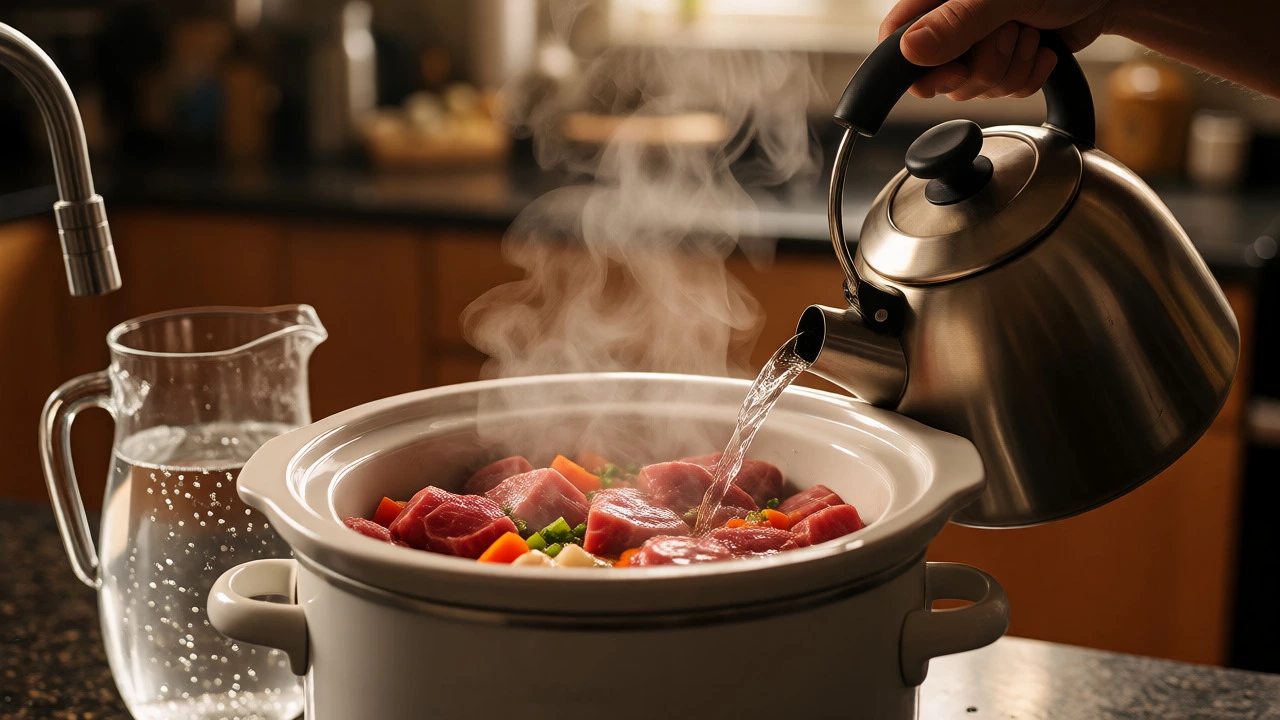
Slow Cooker Water Temperature Simulator
Select your starting conditions to see how water temperature affects the time it takes for your food to exit the bacterial "Danger Zone" (40°F - 140°F).
Starting Conditions
Analysis Results
Recommendation:
Enter details to calculate cooking efficiency.
You’re standing in your kitchen, staring at a chunk of frozen beef and a pot of simmering liquid. The recipe says "add water," but it doesn’t specify if you should grab the tap or the kettle. It seems like a minor detail, right? Wrong. This choice can mean the difference between a perfectly tender stew and a lukewarm mess that spent too long in the danger zone where bacteria throw a party.
Here is the blunt truth: for most slow cookers, boiling water is the safer, faster, and more efficient choice. But there are exceptions. If you dump ice-cold tap water into a ceramic insert sitting on a room-temperature base, you force your appliance to work overtime just to get up to speed. That delay isn't just annoying; it’s a food safety risk. Let’s break down exactly why heat matters, when you might actually want cold water, and how to keep your Sunday roast from turning into a science experiment.
The Science of Heat Transfer in Slow Cookers
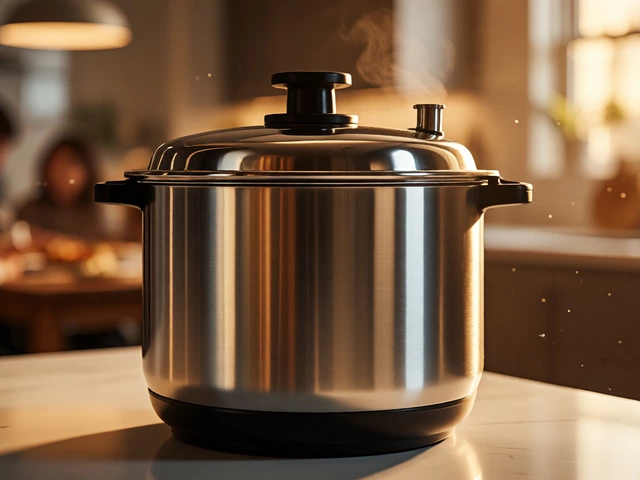
To understand why water temperature matters, you have to look at how a slow cooker works. Unlike a stovetop that blasts direct heat from below, a slow cooker uses gentle, indirect heat wrapped around the sides and bottom of the ceramic crock. It’s designed to maintain low temperatures-usually between 170°F (77°C) and 280°F (138°C)-for hours.
When you add cold water, you drop the internal temperature of the entire system significantly. Think of it like trying to heat a swimming pool with a garden hose running cold water. The heater has to fight against that influx of chill before it can even start cooking the food properly. Most modern slow cookers take about 45 minutes to an hour just to reach their target "Low" setting temperature if starting from room temp. Add cold water, and you might push that warm-up phase out by another 20-30 minutes.
| Water Type | Initial Temp Impact | Time to Reach Simmer | Bacterial Risk |
|---|---|---|---|
| Cold Tap Water | Drops pot temp by ~40-50°F | Longer (+20-30 mins) | Higher (prolonged danger zone exposure) |
| Warm/Tap Hot | Mild drop (~10-15°F) | Moderate | Low |
| Boiling Water | Minimal drop / Maintains heat | Fastest | Lowest (rapidly exits danger zone) |
Why Boiling Water Wins for Food Safety
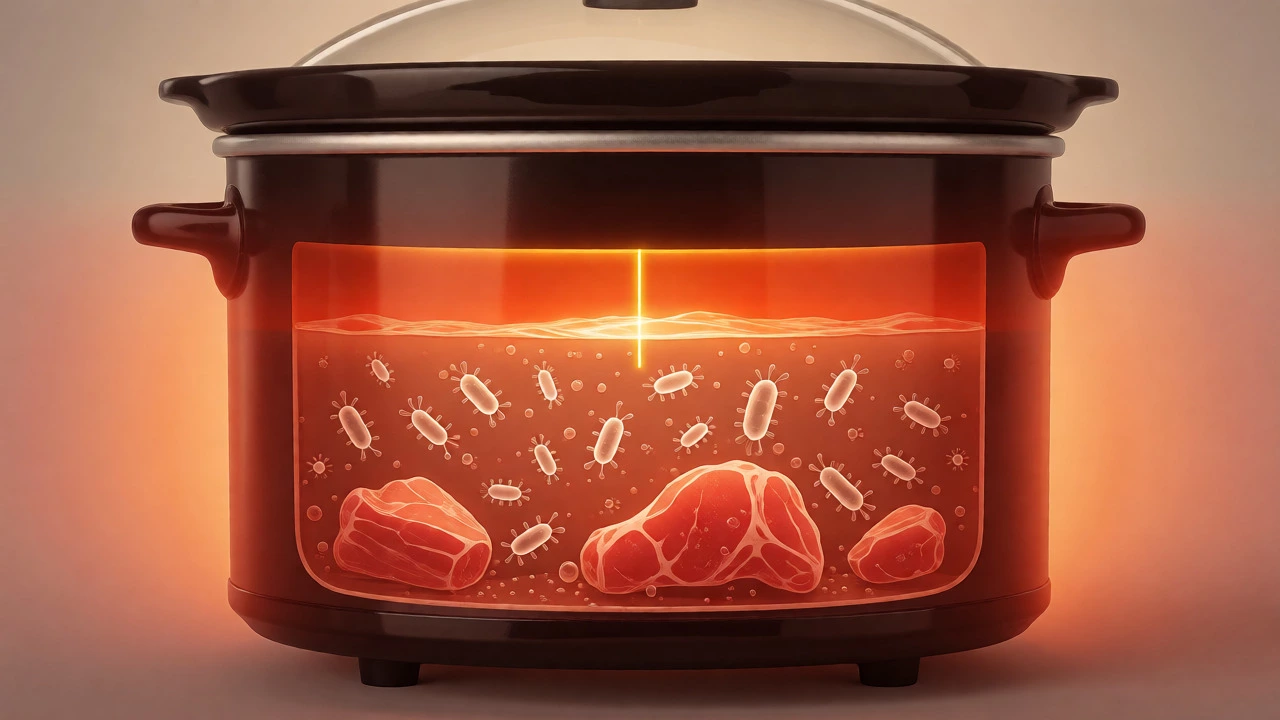
The biggest argument for using hot water isn't really about taste-it's about biology. Bacteria love the range between 40°F and 140°F (4°C and 60°C). This is known as the Danger Zone. In this range, pathogens like Salmonella and E. coli multiply rapidly.
If you start with cold water, your meat sits in this lukewarm bath for a longer period while the slow cooker struggles to catch up. By pouring in boiling water, you essentially jump-start the thermal process. You ensure that the core temperature of the food rises quickly enough to kill off surface bacteria before they have time to proliferate deep inside the muscle fibers. This is especially critical when cooking poultry or ground meats, which have higher surface areas exposed to potential contamination.
There is a common myth that adding boiling water will "cook" the outside of the meat too fast, sealing in juices. While searing does create a crust via the Maillard reaction, simply hitting raw meat with boiling water in a slow cooker doesn't replicate that browning effect. It just heats it up. So, don't worry about toughening your stew. The slow, moist environment prevents protein fibers from tightening excessively.
When Cold Water Is Actually Better
So, is cold water ever the right move? Yes, but only in specific scenarios. The main reason to use cold water is convenience combined with pre-chilled ingredients. If you are dumping a bag of frozen vegetables or a block of frozen stock directly into the pot, the massive amount of latent cold energy is already going to lower the pot temperature drastically.
In this case, adding boiling water won't save much time because the ice crystals need to melt first. Using cold water here saves you the hassle of boiling a kettle for no benefit. Additionally, if you are making a delicate dessert, like a fruit crisp or a yogurt-based pudding, high initial heat might curdle dairy or break down fragile fruits before the sugar syrup forms. For these sweet dishes, starting with room-temperature or slightly cool liquids allows for a gentler integration of flavors.
Another niche case involves alcohol. If your recipe calls for wine or beer, adding it to boiling liquid causes the alcohol to evaporate almost instantly. While some people prefer this to remove the "boozy" bite, others want that flavor profile to remain. If you want to retain the aromatic compounds of a stout or a red wine, add them later in the cooking process or use cooler liquids initially to prevent immediate evaporation.
The Ceramic Insert Shock Factor
One practical concern people raise is whether boiling water will crack the ceramic insert. High-quality inserts from brands like Crock-Pot or Hamilton Beach are made from vitrified clay, designed to withstand significant thermal changes. However, thermal shock is real. If you take a ceramic pot straight from the fridge and pour boiling water into it, you risk cracking.
The rule of thumb is simple: never subject the ceramic insert to extreme temperature swings. If the pot is at room temperature, boiling water is fine. If the pot is chilled, let it sit out for 15 minutes or run warm (not hot) tap water over it first to temper the glass/ceramic structure. This precaution protects your investment and keeps your countertop dry.
Practical Tips for Perfect Slow Cooking
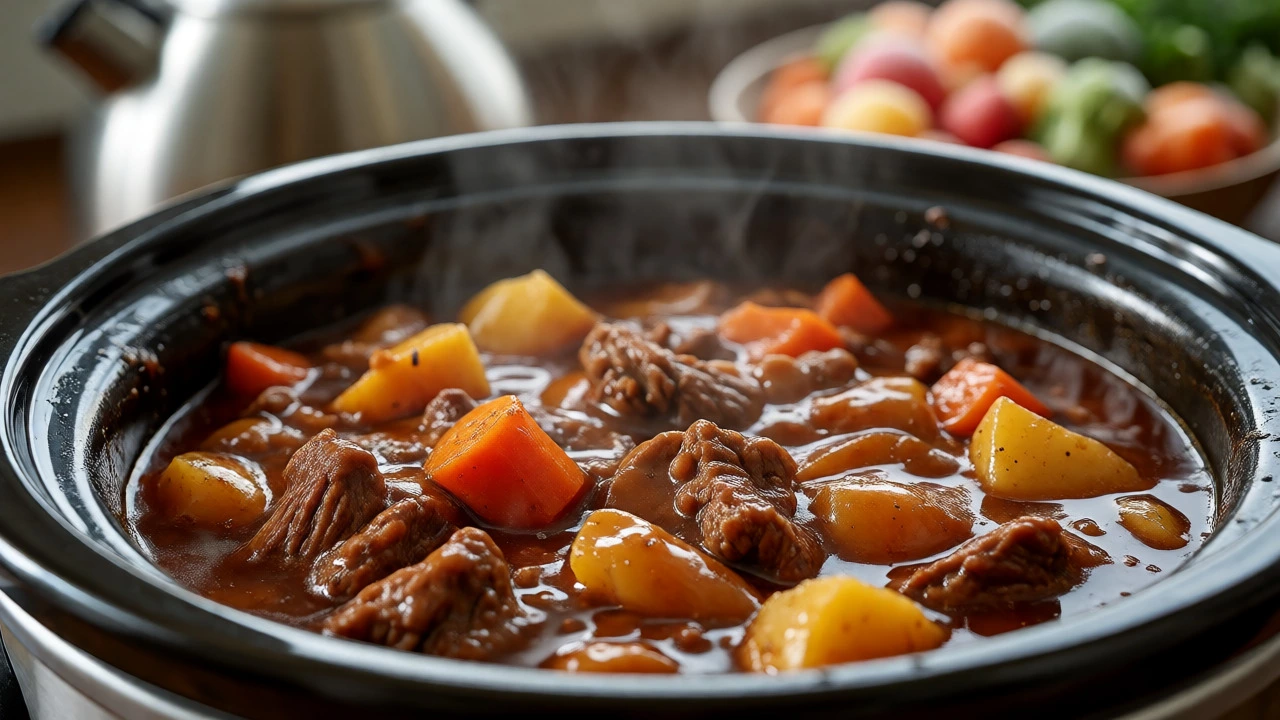
Knowing the water temperature is step one. Here are a few other habits that separate amateur slow-cooker users from the pros:
- Layering Matters: Place dense root vegetables (carrots, potatoes) at the bottom near the heat source. Put quicker-cooking proteins (chicken breasts) on top. This ensures everything finishes at the same time.
- Lid Discipline: Every time you lift the lid, you lose heat. A slow cooker takes 15-20 minutes to recover that lost heat. Trust the timer, not your eyes.
- Don't Overfill: Leave space at the top. If the liquid boils over or expands, it can leak onto the heating element, causing smoke or burnt smells.
- Thaw Meat First: While you can cook frozen meat, thawing it in the fridge overnight reduces the total cook time and improves texture. It also helps the seasoning penetrate deeper.
Consider the type of dish you are making. For soups and broths, clarity is key. Starting with boiling water helps dissolve bouillon cubes or stock paste evenly without leaving cloudy pockets. For thick stews, the viscosity of the sauce traps heat better anyway, so the initial water temp matters less than the final consistency adjustment at the end.
Troubleshooting Common Issues
If your food comes out watery, you likely added too much liquid. Remember, slow cookers trap moisture. Vegetables release water as they cook. If you started with boiling water and full liquid measurements, you might end up with soup instead of stew. Reduce your liquid volume by about 25% compared to oven recipes.
If your food is tough, you probably didn't cook it long enough. Tough cuts like chuck roast need collagen to break down into gelatin. This takes time-often 8+ hours on Low. No amount of boiling water shortcuts this chemical process. Patience is the secret ingredient.
Finally, check your appliance. Older slow cookers may run hotter than newer models. If you consistently find your food burning despite following instructions, try lowering the setting or reducing the liquid further. Newer models often have tighter seals and better insulation, retaining heat more efficiently.
Can I put boiling water in a cold slow cooker?
Yes, provided the ceramic insert is at room temperature. If the insert is chilled from the refrigerator, let it warm up slightly or use warm water first to avoid thermal shock, which could crack the ceramic.
Does adding cold water make the food taste different?
Not directly. However, because cold water extends the time the food spends in the "danger zone," it can allow bacterial growth that affects flavor. Additionally, longer warm-up times can sometimes lead to uneven cooking textures if not accounted for in the total cook time.
Is it safe to put frozen meat in a slow cooker with boiling water?
It is safer than putting frozen meat in cold water, but still risky. The USDA recommends thawing meat before slow cooking to ensure it reaches safe internal temperatures quickly. If you must use frozen meat, use boiling water and extend the cooking time by at least 1-2 hours.
Why do my recipes say "warm water"?
Some older recipes specify warm water as a compromise between safety and preventing thermal shock. Warm tap water is generally safe for most ceramics and helps the cooker reach operating temperature faster than cold water, without the extreme contrast of boiling water.
Do I need to boil water separately?
For best results and food safety, yes. Boiling water in a kettle or on the stove and then pouring it into the slow cooker ensures rapid temperature rise. This minimizes the time bacteria have to multiply during the initial heating phase.

Write a comment