Holy Trinity Pasta Authenticity Checker
Select a dish to verify your ingredient choices and cooking knowledge
Cacio e Pepe
Cheese & PepperCarbonara
Eggs & GuancialeAmatriciana
Tomato & PorkReady to Test Your Knowledge?
Click on any dish above to start checking your authenticity!
There is a specific moment in every home cook’s journey when they realize that fancy ingredients are not the secret to great food. You might think you need saffron from Spain or truffles from Alba. But in Rome, the heart of Italian culinary tradition, the most revered dishes rely on just three humble staples: cheese, cured pork, and black pepper. This is what locals call the Holy Trinity of Italian Pasta, which consists of three classic Roman pasta dishes that share a common foundation of pecorino romano, guanciale, and black pepper. These dishes are Cacio e Pepe, Carbonara, and Amatriciana. They are simple, yes. But they are also unforgiving. Get one step wrong, and you have a bowl of clumpy mess instead of silk. Get it right, and you have perfection.
The Common Thread: Guanciale, Pecorino, and Pepper
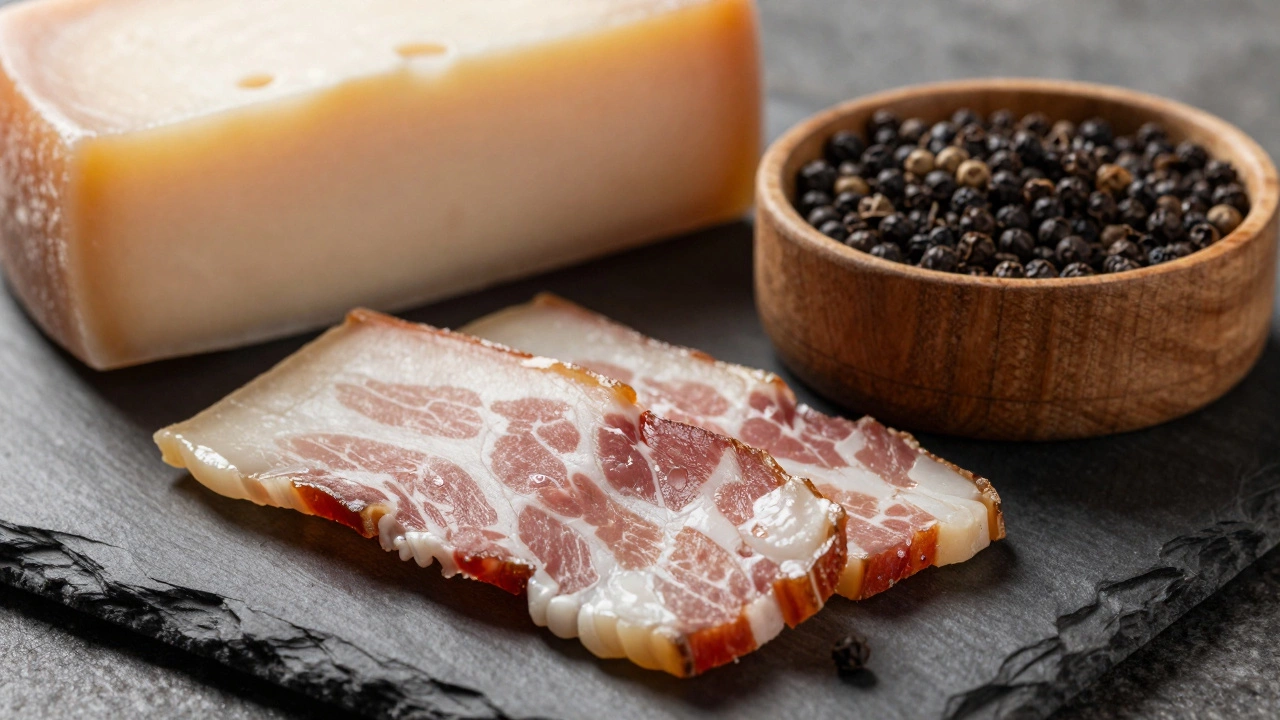
Before we look at the individual dishes, you need to understand the engine that drives them. These three recipes are siblings. They share DNA. If you master the base components, you can make all three. The first component is Guanciale, which is cured pork jowl that provides a rich, gelatinous texture and deep savory flavor distinct from bacon. Do not use bacon. Bacon is smoked; guanciale is cured with salt and pepper. That smoke flavor will ruin the delicate balance of these sauces. Second is Pecorino Romano, which is a hard, salty sheep's milk cheese that melts smoothly into creamy emulsions without needing cream. Parmigiano Reggiano is too sweet and less sharp. It won't cut through the fat of the pork the same way. Finally, there is black pepper. Not the pre-ground stuff in the shaker. Freshly cracked Tellicherry or Sarawak pepper adds heat and aroma that wakes up the palate.
Why do these three ingredients work so well together? Fat carries flavor. The guanciale renders down into pure liquid gold. The pecorino contains proteins and fats that, when whisked with starchy pasta water, create an emulsion. An emulsion is just a scientific term for two liquids that don't usually mix (like oil and water) being forced to blend into a smooth sauce. Black pepper provides the bite that keeps the richness from feeling heavy. This is the science behind the soul of Roman cooking.
Cacio e Pepe: The Masterclass in Emulsion
If you want to test your skills, start here. Cacio e Pepe translates to "cheese and pepper." That is it. No meat. Just cheese, pepper, and pasta. It sounds like something a toddler could make, but it is arguably the hardest of the three to execute perfectly. The danger zone is temperature. If the cheese gets too hot, it seizes up. You end up with grainy clumps rather than a glossy sauce. If it is too cool, it won't melt.
Here is how you handle it. Boil your spaghetti or tonnarelli in plenty of salted water. While the pasta cooks, toast a generous amount of coarsely ground black pepper in a large skillet over medium-low heat. You want to wake up the oils in the pepper, but not burn it. Once the pasta is al dente, reserve a cup of that cloudy, starchy cooking water. This water is your lifeline. Transfer the pasta to the skillet with the pepper. Add a splash of the hot pasta water. Now, remove the pan from the heat. This is critical. Turn off the burner. Sprinkle in grated Pecorino Romano while whisking vigorously. The residual heat of the pasta and the water will melt the cheese. Keep adding water, a ladle at a time, until you reach a creamy, coating consistency. Serve immediately. The sauce thickens as it sits, so speed matters.
Carbonara: Cream Without the Cream
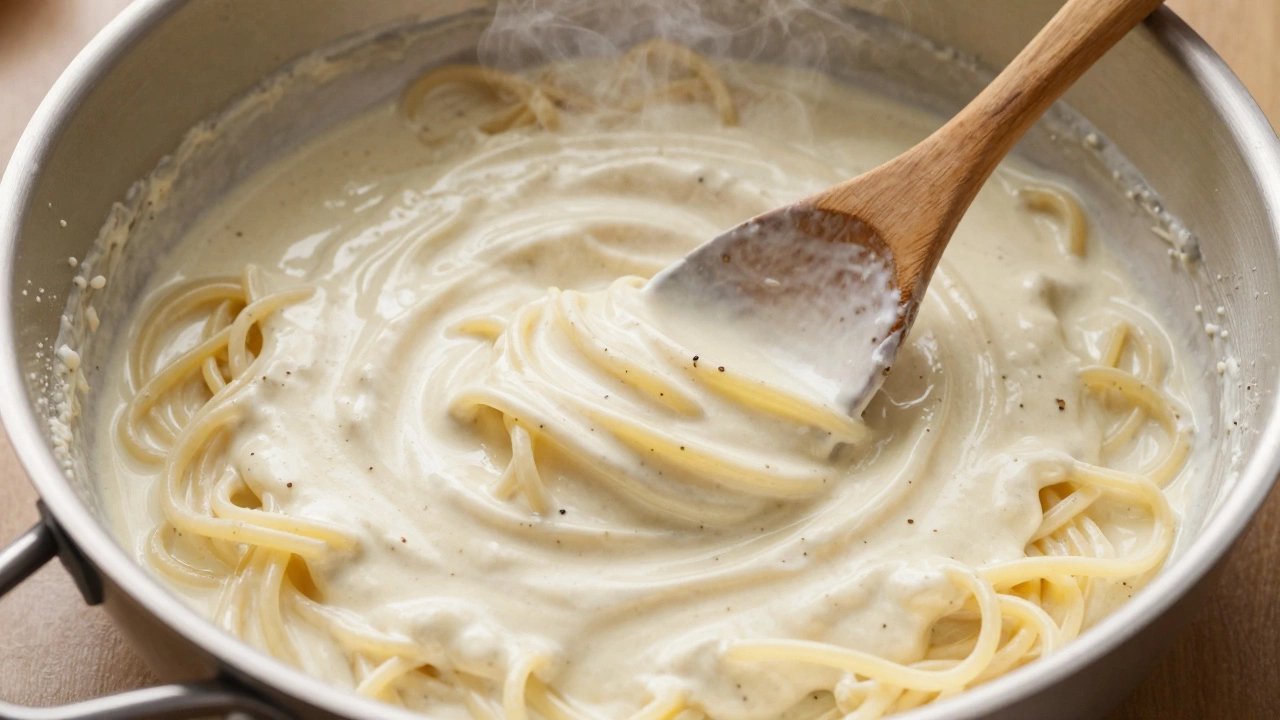
Let’s clear up a myth right now. There is no cream in authentic Carbonara. None. The creaminess comes from the same emulsion technique used in Cacio e Pepe, but this time you add eggs. Specifically, egg yolks. Some recipes use whole eggs, but yolks provide more fat and a deeper yellow color, which makes for a richer sauce. The addition of guanciale distinguishes this from Cacio e Pepe. The crispy bits of pork add texture against the smooth sauce.
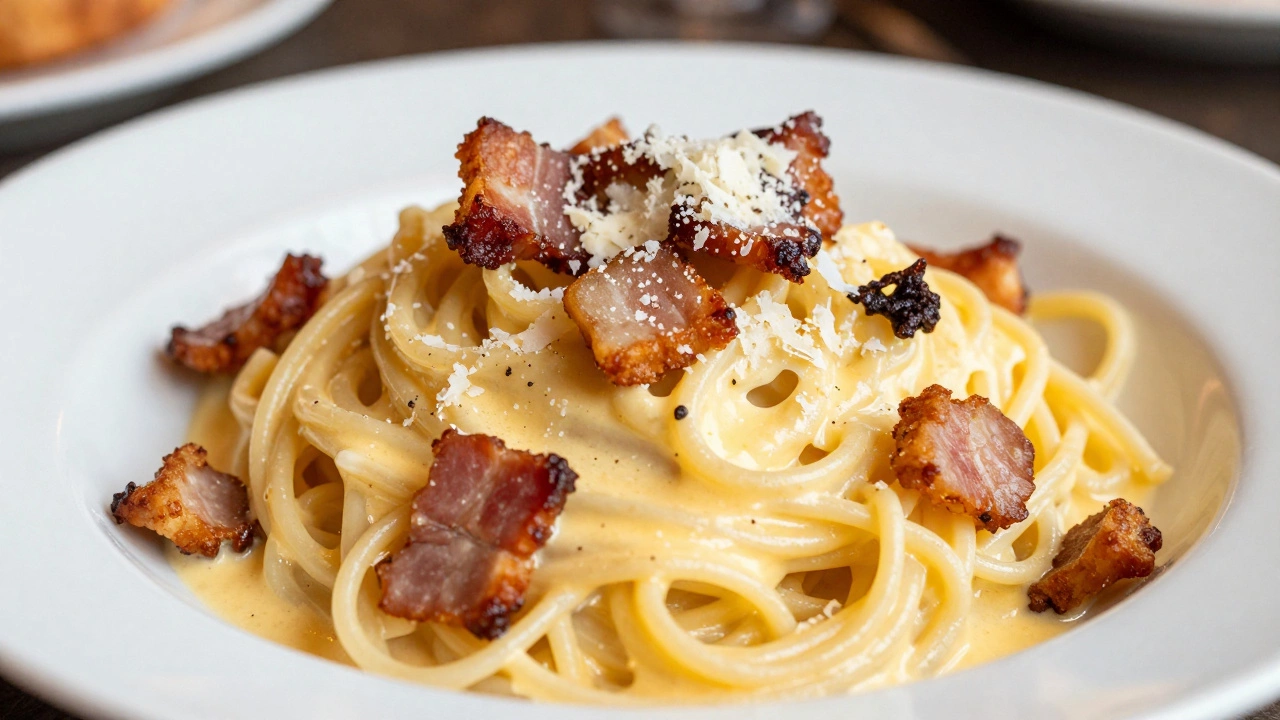
The process mirrors the previous dish but with higher stakes because raw eggs are involved. Cook your guanciale until crisp and golden. Remove it from the pan, leaving the rendered fat behind. In a separate bowl, whisk together egg yolks and finely grated Pecorino Romano. Add a pinch of black pepper. When your pasta is ready, drain it, keeping some water aside. Toss the hot pasta into the skillet with the guanciale fat. Remove from heat. Let it cool for ten seconds-just enough so it doesn't scramble the eggs. Pour in the egg and cheese mixture. Whisk furiously. The heat of the pasta cooks the eggs gently, creating a custard-like sauce. Toss in the crispy guanciale. If it looks dry, add a teaspoon of pasta water. The result should be glossy, pale yellow, and incredibly fragrant.
Amatriciana: The Tomato Twist
Amatriciana is the rebellious cousin of the trio. It takes the base of guanciale and pecorino and introduces a new player: tomatoes. Historically, this dish originated in the town of Amatrice, north of Rome. For decades, Italians argued about whether tomatoes belonged in it. Today, the consensus is clear: yes, they do. But not just any tomato sauce. You want San Marzano tomatoes, crushed by hand or lightly blended. You want the acidity of the tomato to balance the fat of the pork.
To make Amatriciana, render the guanciale as you did for Carbonara. Remove the crispy pieces. In the same fat, add a pinch of dried chili flakes if you like heat (this is traditional). Add the crushed tomatoes and simmer for twenty minutes to let the flavors marry. Return the guanciale to the pot. Meanwhile, cook your rigatoni or bucatini. Rigatoni is ideal here because the ridges and hollow centers trap the chunky sauce better than thin spaghetti. Drain the pasta and toss it directly into the tomato sauce. Finish with a heavy dusting of Pecorino Romano. Unlike the other two dishes, you do not emulsify the cheese into a sauce here. You sprinkle it on top. The heat of the pasta melts it slightly, but you want to see the white flakes against the red sauce.
| Dish | Key Ingredients | Sauce Type | Best Pasta Shape | Difficulty |
|---|---|---|---|---|
| Cacio e Pepe | Pecorino, Black Pepper | Cheese Emulsion | Spaghetti, Tonnarelli | High (Temperature Control) |
| Carbonara | Eggs, Pecorino, Guanciale | Egg & Cheese Emulsion | Spaghetti, Rigatoni | High (Timing Critical) |
| Amatriciana | Tomatoes, Guanciale, Pecorino | Tomato-Based | Rigatoni, Bucatini | Medium |
Common Mistakes to Avoid
I have seen good cooks fail at these dishes because they rush or substitute incorrectly. Here are the pitfalls that turn a masterpiece into a mistake.
- Using Bacon Instead of Guanciale: I cannot stress this enough. Bacon has a smoky flavor profile that clashes with the clean, sharp taste of Pecorino. Guanciale is fatty and savory. If you absolutely cannot find guanciale, pancetta is a distant second choice. But avoid bacon.
- Scrambling the Eggs in Carbonara: This happens when the pan is too hot. Always take the pan off the heat before adding the egg mixture. If you are nervous, temper the eggs by adding a spoonful of hot pasta water to the egg mixture before pouring it into the pan.
- Clumpy Cheese in Cacio e Pepe: This happens when you add cheese to boiling water or high heat. Cheese proteins tighten and squeeze out moisture when overheated. Use low heat and lots of starchy water.
- Under-Salting the Pasta Water: Your pasta water should taste like the sea. Since these sauces have limited seasoning components (mostly just the salty cheese and cured meat), the pasta itself needs to be seasoned from the inside out.
Why These Dishes Matter
In a world of complex fusion cuisine and molecular gastronomy, the Holy Trinity reminds us of the power of simplicity. These dishes teach patience. They teach respect for ingredients. You cannot hide bad guanciale or stale cheese behind a mountain of herbs and spices. The quality of your inputs is visible in every bite. Cooking these dishes connects you to centuries of Roman tradition. It is not just about feeding yourself; it is about participating in a ritual that has been refined over generations. When you sit down to a bowl of properly made Carbonara, you are tasting history. And honestly, it tastes pretty damn good too.
Can I use Parmesan instead of Pecorino Romano?
You can, but it changes the flavor profile significantly. Pecorino Romano is made from sheep's milk and is much sharper, saltier, and more pungent than Parmigiano Reggiano, which is cow's milk and sweeter. Traditionalists insist on Pecorino. However, if you find Pecorino too strong, a 50/50 mix of Pecorino and Parmesan is a popular compromise that softens the blow while maintaining authenticity.
What is the difference between guanciale and pancetta?
Guanciale is cured pork jowl, while pancetta is cured pork belly. Guanciale has a higher fat content and a more gelatinous texture, which creates a silkier sauce. Pancetta is leaner and firmer. Guanciale also lacks the spice rub often found in pancetta, resulting in a purer pork flavor. For the Holy Trinity dishes, guanciale is preferred for its melting properties.
Why does my Cacio e Pepe turn out grainy?
Graininess occurs when the cheese proteins seize up due to high heat or insufficient liquid. To prevent this, always remove the pan from the heat source before adding the cheese. Use freshly grated Pecorino rather than pre-grated cheese, which contains anti-caking agents that hinder melting. Whisk constantly and add small amounts of hot pasta water to create a smooth emulsion.
Is it safe to eat raw eggs in Carbonara?
Technically, the eggs are not cooked in the traditional sense, but they are pasteurized by the residual heat of the pasta and the warm sauce. As long as you use fresh, high-quality eggs and follow the method of removing the pan from heat before adding the eggs, the risk is minimal. If you are pregnant, immunocompromised, or simply concerned, you can use pasteurized liquid eggs available in most grocery stores.
Which pasta shape is best for Amatriciana?
Rigatoni and Bucatini are the traditional choices for Amatriciana. Their tubular shapes and ridges capture the chunky tomato sauce and crispy guanciale bits effectively. Spaghetti can be used, but it tends to slide off the fork without holding as much sauce. Tagliatelle is another acceptable option if you prefer a flat noodle.


Write a comment