
Gluten-Free Alcohol Checker
Enter a drink name below to see its gluten status, base ingredients, and safety tips.
❓ No data found for that drink. Try one of the common categories above or check labels carefully!
You’re at a pub in Brighton, the rain is lashing against the window, and you’re staring at a menu that looks like a minefield. You have coeliac disease or non-coeliac gluten sensitivity, and you just want a drink without spending twenty minutes interrogating the bartender about malt ingredients. It’s exhausting. The confusion stems from one simple fact: many popular alcoholic beverages start with grains that contain gluten. Wheat, barley, and rye are the usual suspects. But here’s the good news-science and distillation offer a way out. Not all alcohol contains gluten, and some types are always gluten-free by their very nature.
The question isn’t just "is this safe?" but "why is it safe?" Understanding the difference between brewing and distilling changes everything. If you know which bottles are inherently safe, you can relax and actually enjoy your night out. Let’s break down exactly what you can drink with confidence, no guessing required.
Why Distilled Spirits Are Generally Safe
Here is the core concept most people miss: distillation removes gluten proteins. Gluten is a large protein molecule found in grains like wheat and barley. When you distill a liquid, you heat it until the alcohol vaporizes, then cool it back down into a liquid form. The heavy proteins, including gluten, don’t vaporize. They stay behind in the mash. This means that even if a spirit starts as a whiskey made from barley, the final clear liquid should theoretically be free of gluten.
According to the US Food and Drug Administration (FDA) and Coeliac UK, pure distilled spirits are considered gluten-free to less than 20 parts per million (ppm), which is the threshold for labeling something "gluten-free." So, if you see a bottle of vodka labeled "made from corn" or "made from wheat," the source grain matters less than the process. As long as it’s pure distilled, the gluten is gone.
The Catch: Flavored Spirits and Cross-Contamination
While the distillation process cleans up the mess, what happens afterward can undo it. Many flavored vodkas, gins, or whiskeys add ingredients after distillation. These additives might include flavorings derived from gluten-containing grains, or they might introduce cross-contamination during bottling. For example, a cinnamon whiskey might use a spice blend processed in a facility that handles wheat flour. If you are highly sensitive, stick to unflavored, pure spirits. Check labels for "natural flavors"-if it doesn't specify the source, ask.
Pure Wine: The Safest Bet
If you want zero risk, pour yourself a glass of wine. Wine is made from grapes, not grains. Grapes do not contain gluten. Therefore, red, white, rosé, and sparkling wines like Champagne or Prosecco are naturally gluten-free. There is no distillation step needed to remove gluten because there was never any gluten to begin with.
Are there exceptions? Rarely. Some winemakers use fining agents to clarify wine. Historically, some used casein (milk protein) or egg whites, but rarely gluten-based agents. In extremely rare cases, a winemaker might use a wheat-based paste to seal oak barrels, but studies show this does not transfer significant gluten into the wine. For the vast majority of drinkers, wine is a completely safe harbor. Just watch out for dessert wines that might have added liqueurs-if the liqueur is unclear, skip it.
Cider: Read the Label Carefully
Cider is fermented apple juice, so it sounds perfect. And often, it is. Traditional hard cider is gluten-free. However, the craft cider market has gotten creative. Some producers add wheat, barley, or other gluten-containing grains to boost body or sweetness. Others might age the cider in barrels that previously held bourbon or beer, introducing potential cross-contact.
In the UK, where I live, major brands like Bulmers or Kopparberg usually state clearly on the label if they are suitable for coeliacs. But smaller, artisanal ciders? You need to check. Look for the crossed-grain symbol or explicit text stating "gluten-free." If the ingredients list mentions "barley malt" or "wheat," put it back on the shelf. Pure apple cider, with nothing added, is your safest option.
Spirits That Are Always Gluten-Free
Let’s get specific. Which bottles can you grab off the shelf without checking the fine print? These are the categories where the base ingredient is naturally gluten-free, meaning even if cross-contamination is a concern, the starting point is clean.
- Rum: Made from sugarcane or molasses. Sugarcane is a grass, not a cereal grain. Rum is inherently gluten-free. Watch out for spiced rums with questionable additives, but plain dark or light rum is safe.
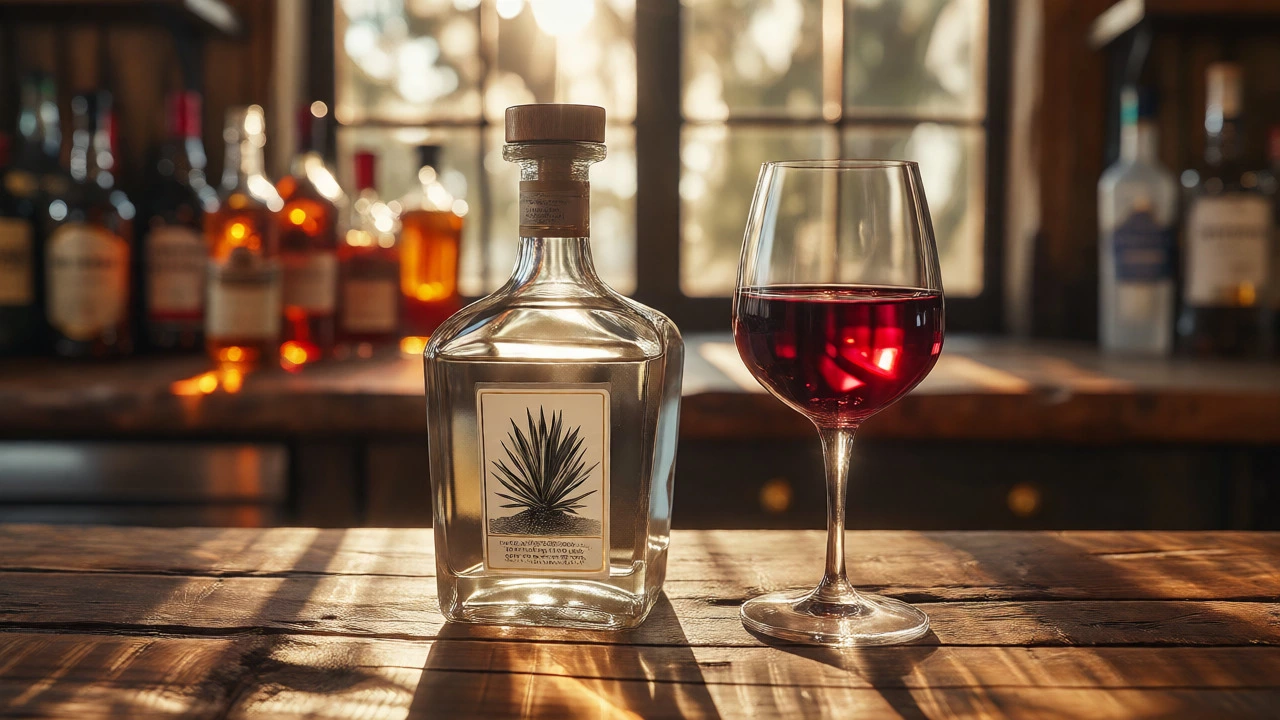
- Tequila and Mezcal: Made from the blue agave plant. Agave is not related to wheat or barley. Authentic tequila (labeled "100% agave") is always gluten-free. Mixto tequilas (which can contain up to 49% other sugars) might have issues if those sugars come from gluten grains, but true 100% agave is safe.
- Gin: This is tricky. Most gin is distilled from neutral grain spirits (often wheat or barley). However, because it is distilled, the gluten is removed. BUT, botanicals are added after distillation. While most botanicals are safe, some gins might add caramel color or flavorings containing gluten. Stick to reputable brands that certify gluten-free, or choose gins distilled from potatoes or grapes if you want extra caution.
- Vodka: Similar to gin, vodka is distilled. Whether it starts as potato, corn, grape, or wheat, the distillation removes the gluten. Potato vodka (like Chopin) or corn vodka (like Tito’s) offers peace of mind because the source isn't a gluten grain at all.
| Beverage Type | Base Ingredient | Gluten Status | Caution Level |
|---|---|---|---|
| Wine | Grapes | Naturally Gluten-Free | Low (Check dessert wines) |
| Rum | Sugarcane/Molasses | Naturally Gluten-Free | Low (Watch flavored varieties) |
| Tequila (100% Agave) | Agave Plant | Naturally Gluten-Free | Low |
| Vodka (Potato/Corn) | Potato/Corn | Naturally Gluten-Free | Very Low |
| Vodka (Wheat/Barley) | Grains | Distilled (Safe for most) | Medium (Check for additives) |
| Beer (Standard) | Barley/Wheat | Contains Gluten | High (Avoid unless certified) |
| Cider | Apples | Usually GF | Medium (Check ingredients) |
What About Beer?
This is the biggest pain point. Regular beer is brewed from barley, which contains gluten. Unlike spirits, beer is not distilled. The fermentation process keeps the proteins intact. So, a standard lager, ale, stout, or IPA will trigger a reaction in someone with coeliac disease. Period.
However, the market has exploded with gluten-free beer. These fall into two camps:
- Naturally GF Beers: Brewed from sorghum, rice, millet, or buckwheat. Examples include Omission (though check current recipes), Redbridge, or various sorghum-based ales. These are safe.
- Gluten-Removed Beers: These are brewed with barley but treated with an enzyme to break down the gluten protein. Brands like Estrella Damm Daura or Peroni Nastro Azzurro use this method. The FDA and EU regulations allow these to be labeled gluten-free if they test below 20 ppm. However, some coeliacs report reactions to these beers because the broken-down gluten fragments might still trigger an immune response in sensitive individuals. Proceed with caution and try a small amount first.
Mixed Drinks and Cocktails: Where Hidden Gluten Hides
A cocktail is only as safe as its weakest link. Your vodka soda is fine. Your gin and tonic is fine. But order a Bloody Mary, and you might be in trouble. Why? Because pre-made mixers, tomato juices, or garnishes can contain hidden gluten.
Here are common culprits in bars:
- Beer Batter Garnishes: Unlikely in cocktails, but if you’re having fish alongside your drink, watch out.
- Cream Liqueurs: Some cream liqueurs use stabilizers or thickeners derived from wheat. Kahlúa is generally considered gluten-free, but always check the brand’s current allergen statement.
- Bitters: Angostura bitters are widely considered gluten-free, but other aromatic bitters might use grain-based alcohol bases that weren't properly distilled or had post-distillation contamination.
- Syrups: Simple syrup is safe. But flavored syrups (vanilla, caramel) might have additives. Ask the barman if the syrup is homemade with just sugar and water.
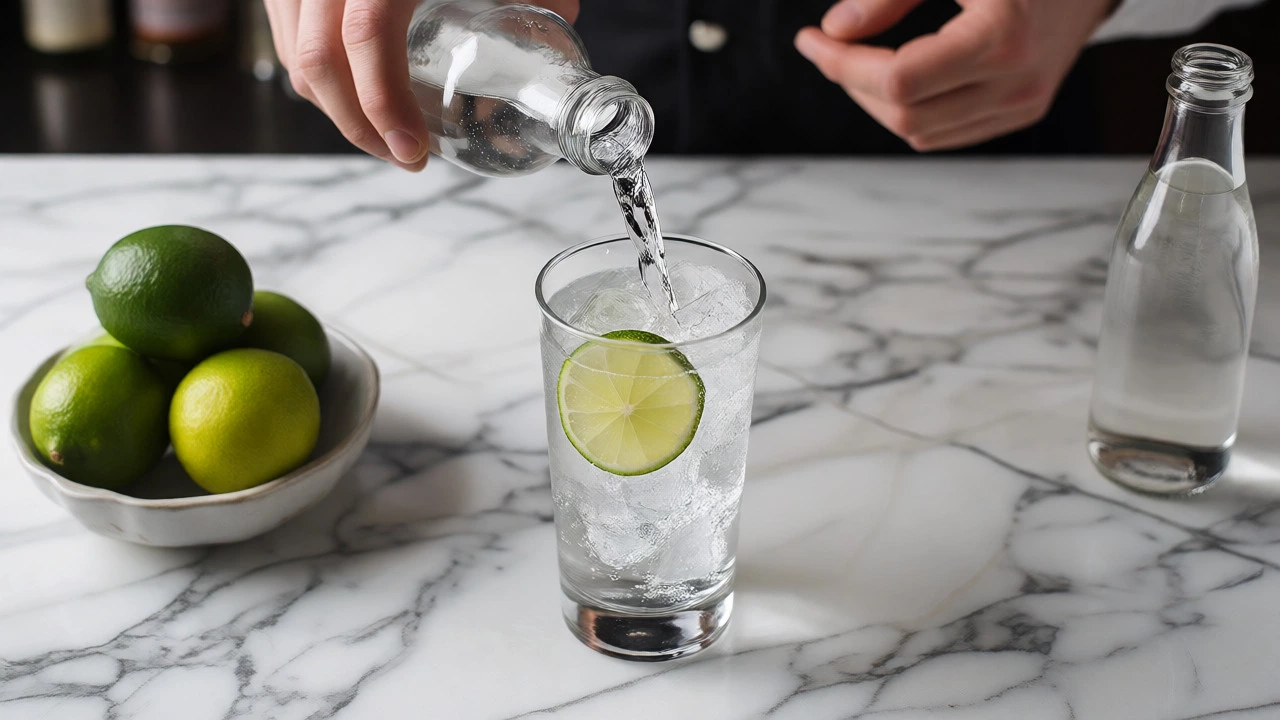
The golden rule for cocktails: Keep it simple. Spirit + Soda Water + Lime = Safe. Spirit + Tonic + Lemon = Safe. Anything with "cream," "liqueur," or complex mixes needs verification.
Practical Tips for Dining Out in the UK
Living in England, I’ve learned that communication is key. Here is how to navigate a British pub safely:
- Ask for the Allergen Menu: Under UK law (Natasha’s Law and food information regulations), pubs must provide allergen information. Don’t be shy. Ask to see it.
- Designate a Glass: If you’re ordering a draft cider or a gluten-free beer, ensure the tap lines haven’t been contaminated by regular beer. Ideally, ask for bottled/canned drinks to avoid shared tap risks.
- Watch the Chaser: If you’re doing shots, ensure the chaser (the soft drink following the shot) is gluten-free. Most colas and lemonades are, but some craft sodas use wheat-derived ingredients.
- Carry a Card: Have a small card in your wallet that says, "I have coeliac disease. Please confirm this drink is gluten-free." It saves time and makes it clear this is a medical necessity, not a preference.
Final Thoughts: Trust Your Instincts
Drinking shouldn’t feel like a chemistry exam. By sticking to wine, pure spirits like rum and tequila, and certified gluten-free beers, you eliminate 95% of the risk. The remaining 5% lies in additives and cross-contamination. Listen to your body. If a certain brand makes you feel off, cut it out, even if the label says "gluten-free." Everyone’s tolerance varies.
Next time you’re at a party, head straight for the wine rack or the vodka corner. Order a cranberry juice mixer instead of a commercial cocktail mix. You’ll save money, avoid headaches, and most importantly, avoid the bloating and brain fog that come with accidental gluten exposure. Cheers to safe sipping.
Is all vodka gluten-free?
Pure distilled vodka is considered gluten-free regardless of the source grain (wheat, rye, corn, etc.) because distillation removes gluten proteins. However, flavored vodkas may contain additives that reintroduce gluten, so always check the label on flavored varieties.
Can coeliacs drink whiskey?
Most experts and health organizations agree that pure distilled whiskey is safe for coeliacs because the distillation process removes gluten. However, some individuals with high sensitivity prefer to avoid grain-based whiskeys and opt for spirits made from non-gluten sources like agave or sugarcane to be absolutely sure.
Is Guinness gluten-free?
No, traditional Guinness is brewed from barley, which contains gluten. It is not safe for people with coeliac disease. DiGiorno and other brands now offer gluten-free stouts, but standard Guinness is definitely not gluten-free.
Does cooking with wine remove gluten?
Wine is already gluten-free, so cooking with it doesn't involve removing gluten. If you are using a grain-based spirit in cooking, the alcohol evaporates, but gluten proteins do not. If the spirit wasn't fully distilled or had additives, the gluten remains in the sauce.
Are all ciders gluten-free?
Not necessarily. While traditional cider is made from apples and is gluten-free, some modern craft ciders add wheat, barley, or other gluten-containing grains for flavor or body. Always read the ingredient list or look for a gluten-free certification logo.




Write a comment