Discover Your Personal Comfort Food Champion
The article explains that our love for certain foods is driven by a mix of biological needs (carbs/fats), emotional memories (nostalgia), and sensory preferences. Answer these three questions to find out which global champion aligns with your brain's wiring.
Ask ten people what their favorite meal is, and you’ll likely get ten different answers. One person might swear by a greasy slice of pizza from a late-night joint, while another dreams of a steaming bowl of ramen after a long week. But if we look past individual tastes and zoom out to see what connects us globally, a clear pattern emerges. The most loved foods aren't necessarily the healthiest or the most expensive. They are the ones that make us feel safe, warm, and understood.
This isn't just about taste buds; it’s about memory. Food is one of the strongest triggers for nostalgia. When we talk about the "most loved" food, we are really talking about comfort food. These are dishes that provide consolation or a sense of well-being, often associated with childhood or traditional home cooking. From the United States to Japan, every culture has its own version of this culinary hug.
The Science Behind Why We Crave Certain Foods
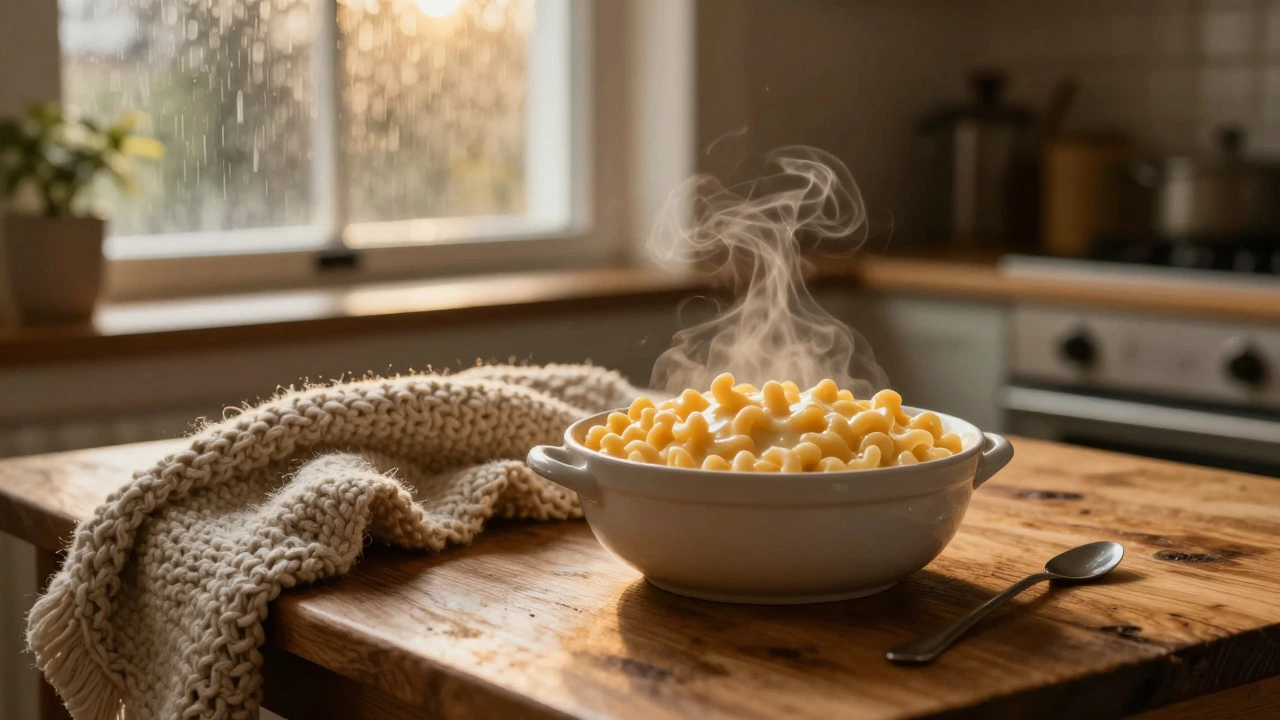
Why do we reach for macaroni and cheese when we’re sad? It turns out, your brain is wired to seek out specific combinations of nutrients during times of stress. Research in nutritional psychology suggests that high-carbohydrate foods trigger the release of serotonin, a neurotransmitter that boosts mood. This is why bread, pasta, and rice appear on almost every list of global favorites.
But it’s not just carbs. Fat plays a huge role too. Fatty foods activate reward centers in the brain similar to how drugs or sugar do. The combination of fat and carbohydrates-think of a creamy pasta or a cheesy burger-is practically irresistible to the human palate. This biological drive explains why these dishes transcend borders. Whether it’s Indian butter chicken or American fried chicken, the underlying mechanism of pleasure is the same.
- Serotonin Boost: Carbs help regulate mood by increasing tryptophan availability in the brain.
- Reward Pathways: Fats stimulate dopamine release, creating a feeling of satisfaction.
- Nostalgia Link: Smells and tastes stored in long-term memory evoke powerful emotional responses.
Global Champions: The Dishes That Unite Us
If we had to pick a single winner for the title of "most loved food," it would be difficult. However, a few contenders consistently rise to the top in global surveys and cultural studies. Let’s look at the heavy hitters that dominate hearts and stomachs worldwide.
Pizza: The Universal Language
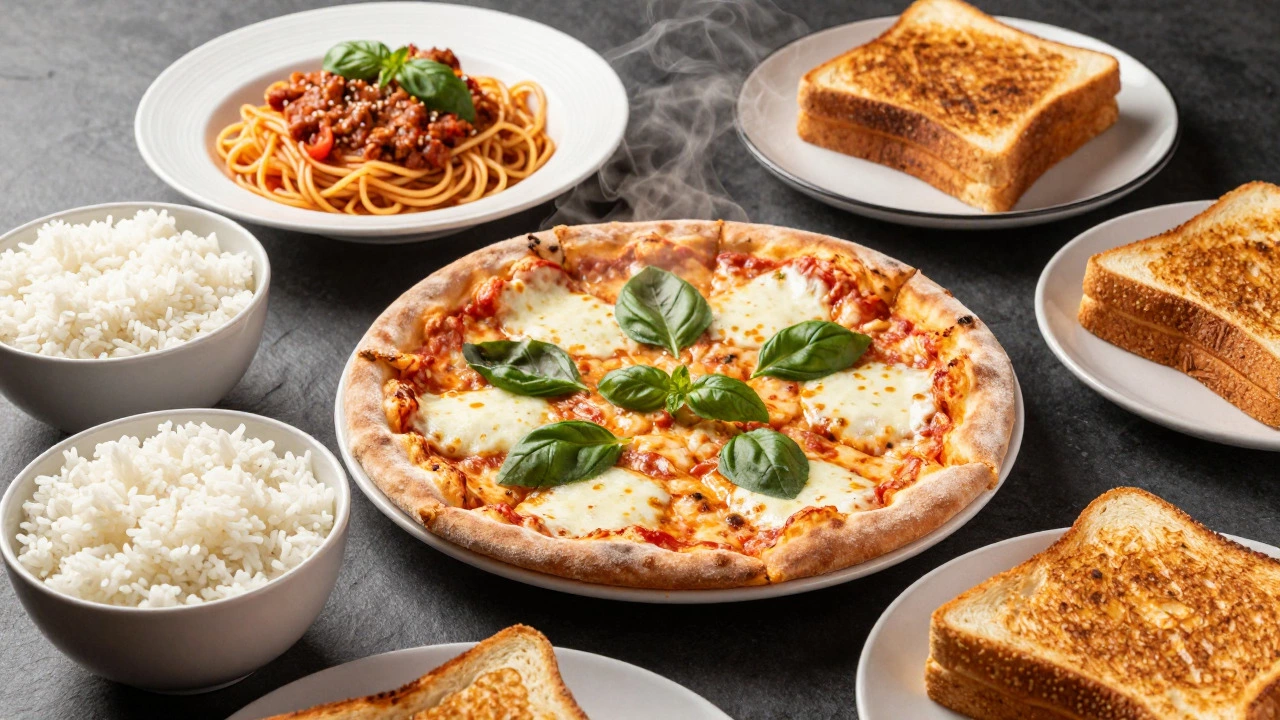
You can’t talk about popular foods without mentioning pizza. Originating in Naples, Italy, pizza has become the most widely consumed dish on the planet. Its appeal lies in its simplicity and versatility. A base of dough, tomato sauce, and cheese provides a perfect canvas for endless customization. In New York, it’s thin and foldable. In Chicago, it’s deep-dish and hearty. In India, it might come topped with paneer and tikka spices.
The reason pizza wins so many votes is accessibility. It’s easy to make at home, cheap to buy, and universally liked by children and adults alike. It bridges social gaps; sharing a pizza is an act of community. According to market data, billions of pizzas are sold annually across the globe, making it a statistical heavyweight in the category of loved foods.
Rice Dishes: The Foundation of Feasts
While pizza dominates the West, rice rules the East and beyond. More than half of the world’s population relies on rice as a staple food. But we aren’t just talking about plain boiled grains. We’re talking about beloved preparations like Spanish paella, Japanese sushi, Mexican arroz con pollo, and Thai fried rice.
Rice is the ultimate comfort food because it is familiar. For billions of people, a meal doesn’t feel complete without a side of rice. It’s neutral enough to pair with spicy curries, savory stews, or sweet desserts. The love for rice is deeply rooted in tradition and daily survival, making it an emotionally charged staple.
| Food Item | Origin | Key Appeal | Global Reach |
|---|---|---|---|
| Pizza | Italy | Versatility, shareability | Universal |
| Rice Dishes | Asia/Global | Familiarity, staple status | Over 50% of population |
| Pasta | Italy/China | Texture, variety of shapes | High in Europe/Americas |
| Burger | USA | Convenience, flavor profile | High in Western nations |
Pasta: The Italian Export Everyone Loves
Pasta holds a special place in the hearts of food lovers everywhere. Like pizza, it originated in Italy but has been adopted globally. The love for pasta comes from its texture and the way it holds sauces. Whether it’s spaghetti bolognese, fettuccine alfredo, or simple aglio e olio, pasta offers a comforting chewiness that satisfies cravings.
In countries like the UK, where I live, pasta is a go-to dinner option for busy families. It’s quick to cook, affordable, and kids rarely complain about it. The emotional connection to pasta is strong; many people associate it with Sunday family dinners or cozy nights in. This shared experience creates a collective love for the dish that transcends language barriers.
The Role of Nostalgia in Food Preferences
Think back to your childhood. What did your grandmother cook? Maybe it was a specific type of stew, a homemade cake, or a simple sandwich made with care. These early experiences shape our lifelong preferences. Psychologists call this the "Proustian effect," named after Marcel Proust’s famous madeleine scene. A smell or taste can instantly transport you back in time.
This is why "most loved" is subjective. For someone growing up in Mexico, mole poblano might be the ultimate comfort food. For someone in Thailand, tom yum soup could hold that title. The ingredient list matters less than the memory attached to it. When we eat these foods, we aren’t just feeding our bodies; we’re reconnecting with our past selves.
Cultural Identity Through Food
Food is also a marker of identity. Immigrants often cling to their traditional dishes as a way to maintain a connection to their homeland. A Vietnamese pho shop in London or a Korean BBQ restaurant in Seoul serves more than just sustenance; it serves community. These dishes become symbols of pride and belonging.
As globalization increases, we see fusion cuisines emerging. But even in fusion, the core elements of comfort remain. A taco burger might be new, but it combines the beloved textures of meat, cheese, and bread. The innovation happens on the surface, but the foundation is still built on familiar, loved ingredients.
How to Create Your Own Comfort Food Masterpiece
Understanding what makes food "loved" can help you create better meals at home. You don’t need to be a professional chef to whip up a dish that brings joy. Focus on three key elements: warmth, familiarity, and richness.
- Use Warm Spices: Ingredients like cinnamon, nutmeg, cumin, and garlic add depth and evoke feelings of coziness. They signal safety and tradition to the brain.
- Incorporate Creamy Textures: Adding cream, cheese, avocado, or coconut milk can transform a simple dish into a luxurious experience. Texture plays a bigger role in satisfaction than we realize.
- Slow Cook When Possible: Slow-cooked meats and stews develop complex flavors over time. The aroma filling your kitchen as they cook is part of the comfort experience.
- Personalize It: Add a twist that reminds you of a happy memory. If you loved lemon bars as a kid, try adding lemon zest to your cookies. Personal touches make food meaningful.
Simple Recipe Idea: Ultimate Cheesy Grilled Cheese
Let’s take a classic example. A grilled cheese sandwich is humble, but it hits all the right notes. Use good bread, butter the outside generously, and choose a cheese that melts well, like cheddar or gruyère. Cook it slowly until golden brown. Dip it in tomato soup for extra comfort. This simple dish costs pennies but delivers immense happiness.
Another option is a basic pasta carbonara. Eggs, pecorino cheese, black pepper, and guanciale (or bacon). No cream needed. The emulsion created by the eggs and cheese coats the pasta perfectly. It’s rich, salty, and incredibly satisfying. These recipes work because they rely on quality ingredients and technique rather than complexity.

Health vs. Happiness: Finding Balance
We often hear that comfort foods are unhealthy. And yes, many are high in calories, sodium, or saturated fats. But labeling them as "bad" misses the point. Mental health is just as important as physical health. Occasional indulgence in loved foods can reduce stress and improve overall well-being.
The key is moderation and mindfulness. Instead of depriving yourself, enjoy these foods intentionally. Savor each bite. Notice the flavors and textures. When you eat with presence, you’re more likely to feel satisfied with smaller portions. Plus, you can make healthier versions of your favorites. Swap white flour for whole wheat, use Greek yogurt instead of sour cream, or load up on vegetables in your stir-fry.
Remember, the goal isn’t perfection. It’s balance. If a bowl of chili makes you smile, then it has value. Listen to your body and your heart. Sometimes, the most nutritious thing you can eat is a meal that brings you peace.
Conclusion: Love Is in the Details
So, which is the most loved food? There is no single answer. It’s the dish that makes you feel seen. It’s the recipe passed down from your mother, the street food that surprised you in a foreign city, or the simple meal you crave after a hard day. Pizza, rice, pasta, burgers-they all have their fans. But the true winner is whatever brings you comfort.
Next time you sit down to eat, ask yourself: does this food make me happy? If the answer is yes, then you’ve found your personal champion. Share it with others, create memories around it, and let it nourish both your body and soul. After all, food is love made visible.
What is the number one most eaten food in the world?
Rice is the most consumed food globally, serving as a staple for over half of the world's population. It is central to diets in Asia, Latin America, and increasingly in other regions due to its versatility and affordability.
Why do people crave comfort food when stressed?
Stress triggers cravings for high-carb and high-fat foods because these nutrients boost serotonin and dopamine levels in the brain. This chemical response helps alleviate anxiety and provides a temporary sense of calm and well-being.
Is pizza considered a healthy food?
Traditional pizza can be high in calories and sodium, but it can be part of a balanced diet. Using whole-grain crust, loading up on vegetable toppings, and controlling portion sizes can make pizza a nutritious option rich in vitamins and fiber.
How does culture influence food preferences?
Culture shapes food preferences through exposure during childhood, religious practices, and social traditions. Foods associated with positive memories and community gatherings become deeply ingrained as "favorites" and sources of comfort.
Can I make healthy versions of comfort foods?
Yes, many comfort foods can be modified to be healthier. Substitute refined carbs with whole grains, use lean proteins, incorporate more vegetables, and opt for baking or air-frying instead of deep-frying to reduce calorie content without sacrificing flavor.


Write a comment