Global Side Dish Popularity Estimator
Calculate Daily Global Servings
Adjust the world population or specific regional adoption rates to see how daily consumption changes.
Key Insight
Imagine a plate of steak. Now imagine it without potatoes. Or a bowl of curry without rice. It feels incomplete, doesn't it? We often think of side dishes as mere accompaniments, but they are actually the backbone of global cuisine. When we ask what is the most popular side dish in the world, the answer isn't a single item but a battle between two giants: rice and potatoes. However, if we look at sheer volume, frequency, and cultural ubiquity, one contender stands head and shoulders above the rest.
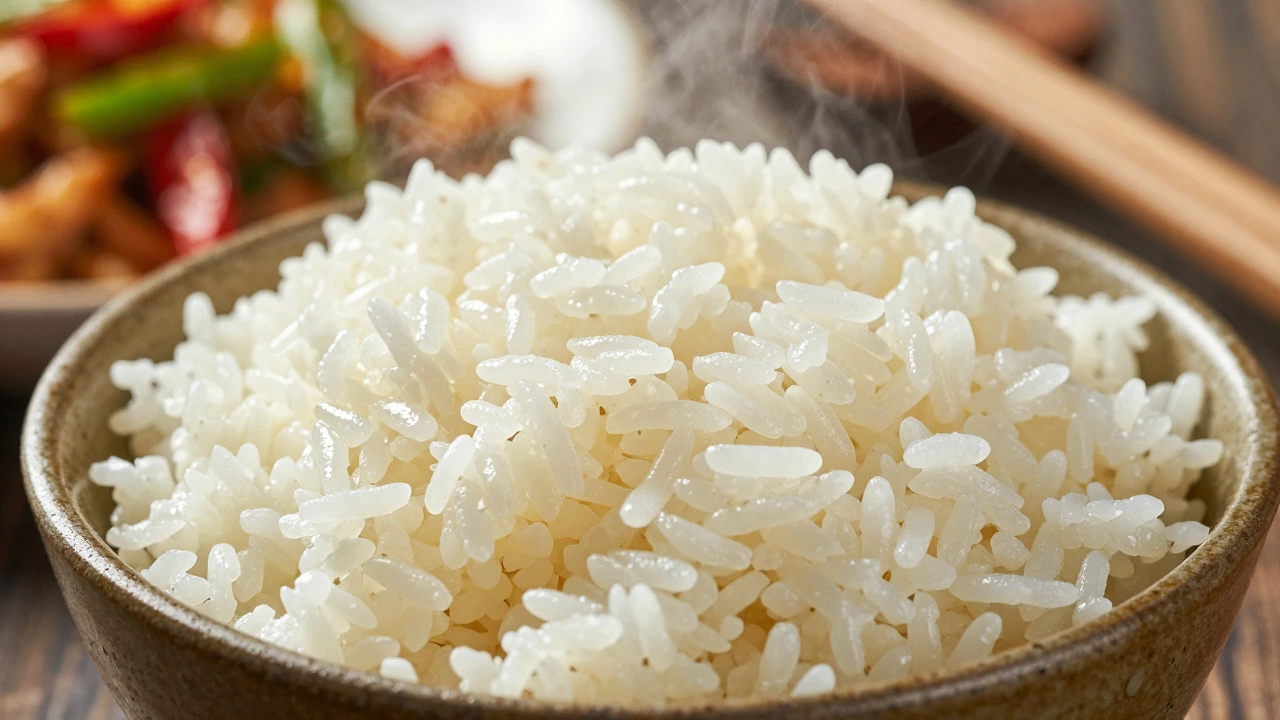
The data points clearly to steamed white rice. It is not just a food; it is a staple that defines meals for over half the human population. From the bustling street stalls of Bangkok to the quiet family dinners in Tokyo, rice serves as the canvas upon which flavors are painted. But let's not dismiss the runner-up. Potatoes, with their versatility and ability to be fried, boiled, mashed, or roasted, hold a massive stronghold in Western diets. To understand this dynamic, we need to look beyond just taste and examine the logistics, history, and economics that drive these choices.
Why Rice Wins the Volume Game
White Rice is a starchy grain that serves as the primary carbohydrate source for billions of people across Asia, Africa, and Latin America. Its dominance isn't accidental. Rice has been cultivated for thousands of years, adapting to diverse climates from tropical paddies to temperate valleys. The key to its popularity lies in its neutrality. Unlike bread, which has a distinct flavor profile, or pasta, which carries the taste of wheat, plain steamed rice absorbs whatever sauce or spice you put on it. This makes it the ultimate partner for spicy curries, savory stir-fries, or rich braises.
Consider the logistics. Rice stores well, cooks quickly, and stretches far when mixed with vegetables or legumes. In many developing economies, rice is cheaper per calorie than meat or dairy. This economic factor drives its status as a daily necessity rather than an occasional treat. When you eat out in India, Thailand, Vietnam, or China, rice is rarely optional. It is the default. Even in places where it isn't the main starch, like Mexico, rice bowls are a standard lunch option. This widespread adoption means that on any given day, more plates of rice are served globally than any other specific side item.
The Potato's Stronghold in the West
If rice wins on global scale, Potatoes are a root vegetable native to South America that became a dietary cornerstone in Europe and North America due to their high caloric density and ease of cultivation. Their rise to fame is tied closely to industrialization and colonial trade routes. Once introduced to Europe in the 16th century, potatoes proved incredibly resilient. They could grow in poor soil and cold climates, making them ideal for Northern European agriculture. By the 18th century, they had become the primary food source for large portions of the Irish, German, and Russian populations.
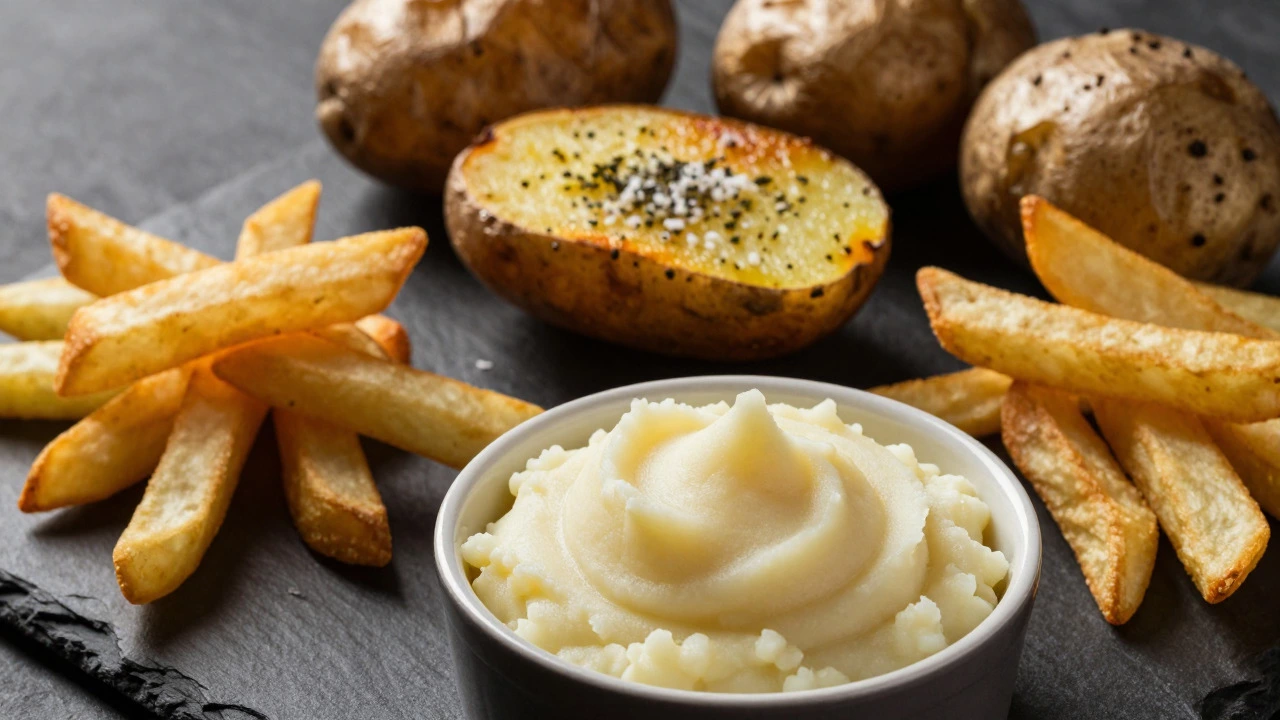
In modern Western kitchens, the potato is the king of sides. You can find it in almost every fast-food chain, restaurant menu, and home freezer. The variety of preparations is staggering: French fries, hash browns, mashed potatoes, baked potatoes, gratins, and chips. Each preparation offers a different texture and flavor experience. Mashed potatoes provide comfort and creaminess, while french fries offer crunch and salt. This versatility allows potatoes to fit into almost any meal context, from a quick burger lunch to a formal holiday dinner. For many people in the US, UK, and Canada, a meal simply isn't finished without some form of potato on the plate.
Comparing the Giants: Rice vs. Potatoes
To truly grasp why these two foods dominate, we need to compare their attributes directly. They serve similar functions but do so in very different ways. Here is how they stack up against each other in terms of global reach, nutritional profile, and culinary flexibility.
| Attribute | White Rice | Potatoes |
|---|---|---|
| Primary Region | Asia, Africa, Latin America | Europe, North America |
| Preparation Time | 15-30 minutes (steaming) | 20-45 minutes (boiling/frying) |
| Flavor Profile | Mild, neutral, slightly sweet | Earthy, savory, adaptable |
| Cost Factor | Very low per calorie | Low to moderate per calorie |
| Shelf Life | Years (dry grain) | Weeks (fresh tuber) |
| Culinary Role | Absorbs sauces, balances spice | Provides bulk, texture contrast |
Notice the difference in shelf life. Dry rice can last for years if stored properly, making it a strategic reserve food. Potatoes, being fresh produce, require refrigeration or cool storage and have a much shorter window before they sprout or rot. This logistical advantage gives rice an edge in regions with less reliable supply chains or colder winters where heating fuel might be scarce. However, potatoes win on immediate sensory satisfaction. The fat content in fried potatoes creates a Maillard reaction that produces deep, savory flavors hard to replicate with plain grains.
Other Contenders: Bread, Pasta, and Salads
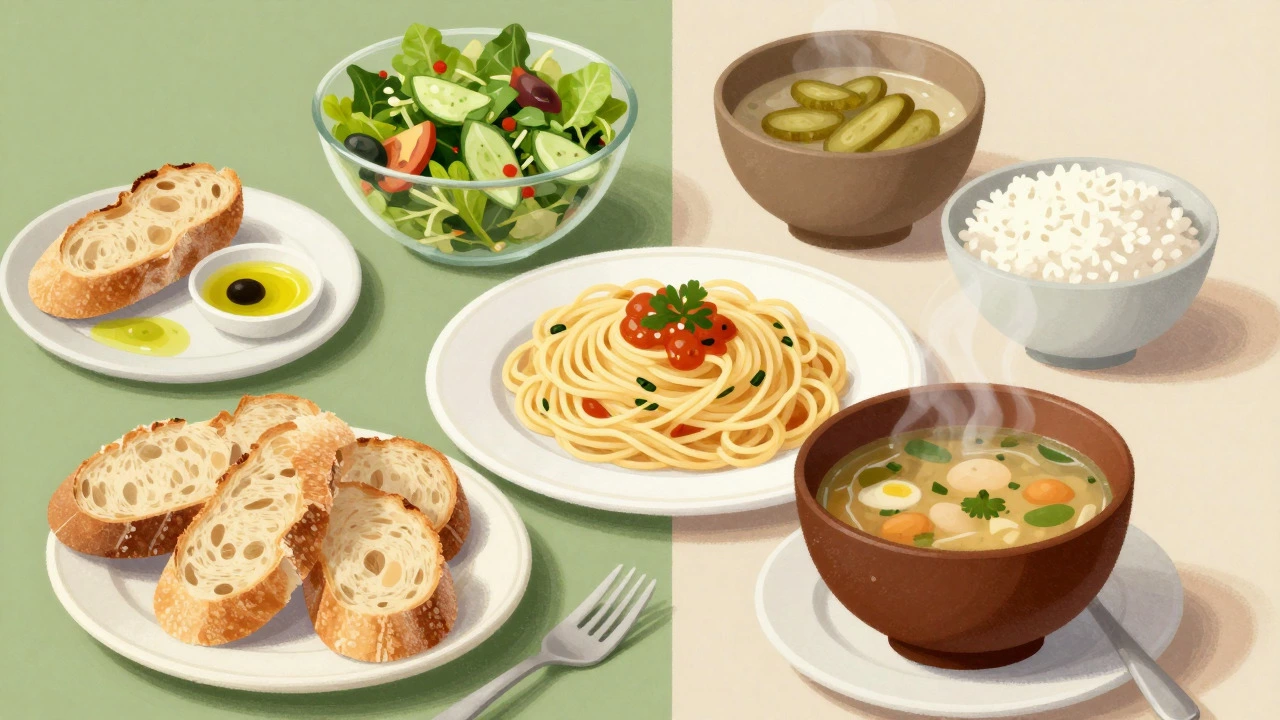
While rice and potatoes fight for the top spot, several other side dishes make strong claims. Bread is a fermented dough product that serves as a staple in Mediterranean, Middle Eastern, and Central Asian cuisines. In France, Italy, Spain, and Turkey, bread is not just a side; it is part of the main course. You tear off pieces of baguette or focaccia to scoop up sauces. In these cultures, asking for extra bread is common, whereas in Asian cultures, asking for extra rice is the norm. Bread’s popularity is regional but intense. It lacks the global spread of rice but holds a tighter grip on daily habits in the Mediterranean basin.
Then there is Pasta, which is a durable wheat-based product that forms the base of Italian cuisine and has gained worldwide popularity through globalization. While often considered a main dish in Italy, in many parts of the world, pasta serves as a side to grilled meats or fish. Spaghetti, penne, and fusilli are found in supermarkets everywhere. However, pasta is generally more expensive to produce and store than rice, limiting its universal appeal. It is a favorite, but perhaps not a survival staple.
Green salads also deserve mention. In health-conscious Western societies, a simple green salad with vinaigrette is a standard side for nearly every entrée. It provides freshness and acidity to cut through heavy proteins. Yet, salads are perishable and require fresh ingredients, making them less accessible in areas with limited grocery infrastructure. They are a popular choice, but their reliance on fresh produce keeps them behind the durability of grains and tubers.
How Culture Shapes Your Plate
Your definition of a "side dish" depends entirely on where you grew up. In Japan, miso soup and pickles are sides to rice. In the US, coleslaw and corn on the cob are sides to barbecue. In Brazil, beans and rice are often considered the main event, with meat serving as the topping. This cultural lens changes what we consider "popular." If you define popularity by the number of countries where it is eaten daily, rice wins. If you define it by the number of variations available in a single country, potatoes might take the crown.
Travel also plays a huge role. As global travel increases, palates expand. People who grew up eating only potatoes are now trying sushi and pho. Those who ate only rice are exploring tacos and burgers. This cross-pollination means that no single side dish is static. Trends shift. For example, quinoa has seen a surge in popularity in the West as a healthier alternative to rice, though it remains a niche compared to the staples. Sweet potatoes are gaining ground as a superfood, challenging the humble russet potato in health-focused circles.
Nutritional Perspectives on Sides
When choosing a side dish, nutrition matters. White rice is refined, meaning the bran and germ are removed, stripping away fiber and nutrients. Brown rice retains these layers, offering more fiber and minerals, but it takes longer to cook and has a nuttier, harder texture. Potatoes, especially when eaten with the skin, are surprisingly nutritious. They contain potassium, vitamin C, and fiber. Boiled potatoes have a lower glycemic index than white rice, causing a slower spike in blood sugar. This makes them a better choice for diabetics or those monitoring their energy levels.
Bread varies wildly in nutritional value. Whole grain sourdough offers probiotics and complex carbs, while white sandwich bread is mostly empty calories. Pasta, particularly whole wheat varieties, provides sustained energy due to its slow-digesting carbohydrates. Understanding these differences helps you choose sides that support your health goals. If you want quick energy, rice is efficient. If you want sustained fullness, potatoes or whole grains are superior.
Practical Tips for Cooking Perfect Sides
Knowing which side is popular is one thing; cooking it well is another. Here are some practical tips to elevate your basic sides.
- Rice: Rinse your rice until the water runs clear. This removes excess surface starch, preventing the grains from becoming gummy. Use a consistent water-to-rice ratio, typically 1:1.5 for white rice. Let it rest for five minutes after cooking to fluff up the steam.
- Potatoes: Don't skip salting the water when boiling. It seasons the potato from the inside out. For crispy fries, blanch the potatoes first, then fry them twice. The first cook softens the interior, and the second crisps the exterior.
- Bread: Toast it. Fresh bread goes stale quickly, but toasting revives the crust and adds flavor. Serve warm with olive oil and herbs for a simple, elegant side.
- Salads: Dress just before serving. If you dress too early, the leaves wilt and the dressing pools at the bottom. Toss gently to coat evenly without bruising the greens.
These small techniques make a big difference. A perfectly cooked side dish enhances the main course without overpowering it. It should complement, not compete. Balance is key. If your main dish is heavy and creamy, opt for a light, acidic side like a citrus salad or plain steamed rice. If your main dish is lean and dry, go for something rich and moist, like buttered mashed potatoes or a creamy pasta salad.
Frequently Asked Questions
Is rice really the most eaten food in the world?
Yes, by volume and frequency, rice is likely the most consumed staple food globally. With over 4 billion people in Asia and significant consumption in Africa and Latin America, the total tonnage of rice eaten annually surpasses that of wheat, potatoes, or maize when considering direct human consumption as a side or main component.
Which side dish pairs best with steak?
Mashed potatoes are the classic pairing because their creamy texture contrasts with the chew of the meat, and their mild flavor lets the beef shine. Alternatively, a crisp green salad with a sharp vinaigrette cuts through the richness of the steak. In Asian cuisine, grilled steak is often served with steamed rice and kimchi.
Are potatoes healthier than rice?
It depends on the type. Potatoes (especially with skin) contain more vitamins, minerals, and fiber than white rice. They also have a lower glycemic index, which is better for blood sugar control. However, brown rice is a closer competitor to potatoes in terms of nutrition. Both are healthy when prepared without excessive butter, oil, or salt.
Why do people in different countries eat different sides?
Historical availability and climate determine local staples. Regions with monsoon rains developed rice cultivation, while cooler, drier regions favored wheat and potatoes. Trade routes and colonization spread these foods, but local traditions remained. Today, globalization mixes these influences, but core preferences often stay rooted in childhood habits.
Can I substitute rice for potatoes in a recipe?
Sometimes, yes. If a recipe calls for a starchy base to absorb sauce, rice can work in place of potatoes. However, the texture will differ. Rice is fluffy and separate, while potatoes are dense and creamy. For a dish like a casserole, rice might change the mouthfeel significantly. For a stir-fry, they are interchangeable.


Write a comment