Find Your Perfect Pasta Match
1. What is your primary craving right now?
Rich & Creamy
I want comfort, fat, and satisfaction.
Light & Fresh
I want something bright, zesty, or brothy.
Hearty & Earthy
I want deep, slow-cooked, robust flavors.
Bold & Spicy
I want heat, crunch, or strong aromatics.
Your Perfect Match:
Why this fits you:
Pro Tip:
Ask ten Italians what the best pasta is, and you’ll get ten different answers. Some will swear by a simple Cacio e Pepe from Rome, while others defend their grandmother’s ragù with religious fervor. There is no single scientific answer to "which is the tastiest pasta," but there are heavy hitters that consistently win hearts, stomachs, and international awards.
We’re not just talking about dry noodles here. We mean the complete dish-the sauce, the cheese, the technique, and the history baked into every bite. From the truffle-laden streets of Alba to the seafood docks of Amalfi, certain preparations rise above the rest. If you’ve ever stood in an aisle staring at forty shapes of dried wheat, wondering which one leads to culinary bliss, this guide breaks down the global contenders for the title of the world’s most delicious pasta.
The Case for Carbonara: The King of Comfort
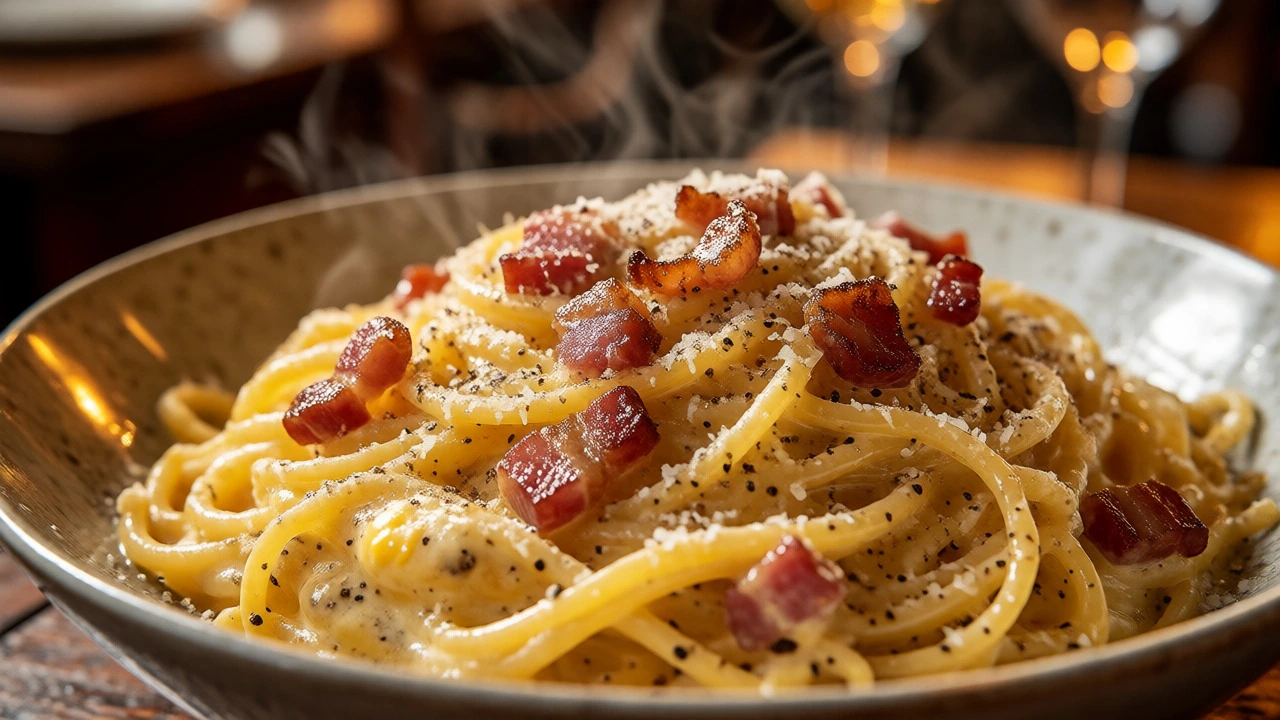
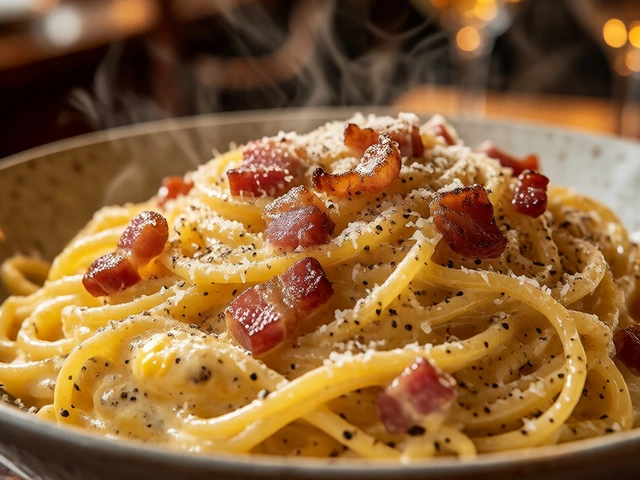
If popularity were the metric, Carbonara would likely take the crown. It’s everywhere. It’s in London cafes, New York bistros, and Tokyo trattorias. But why does it work so well? It’s deceptively simple. Four ingredients: eggs, hard cheese (usually Pecorino Romano), cured pork (guanciale or pancetta), and black pepper. No cream. Ever.
The magic happens in the emulsion. When hot pasta water hits the egg mixture, it creates a silky, creamy sauce without any dairy fat. The saltiness of the guanciale cuts through the richness of the yolk. It’s a texture game-creamy, crunchy, salty, and peppery all at once. For many, this balance is the peak of pasta perfection. It’s comfort food distilled to its purest form.
- Key Ingredient: Guanciale (cured pork cheek) provides a distinct fatty depth that bacon can’t match.
- Technique: Tempering the eggs with pasta water prevents scrambling.
- Serving Style: Must be eaten immediately; it doesn’t wait for anyone.
Ragù alla Bolognese: The Slow-Cooked Champion
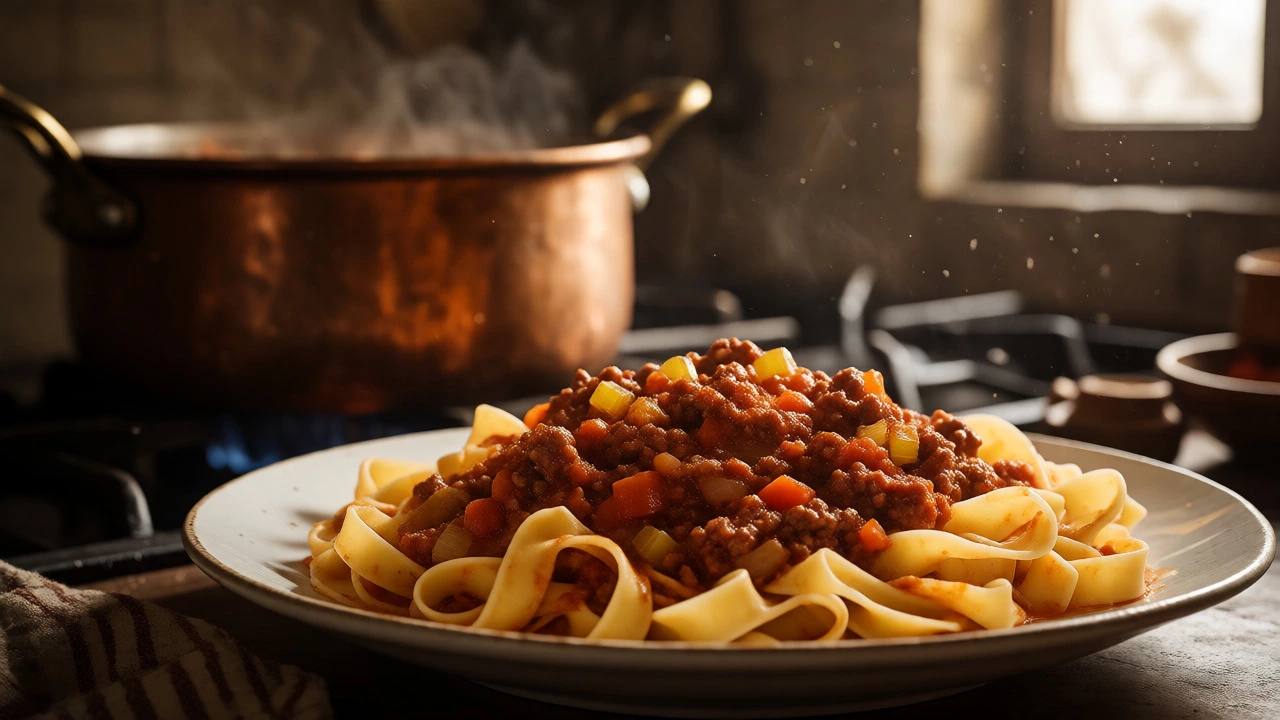
While Carbonara wins on speed and simplicity, Ragù alla Bolognese wins on depth. Originating from Bologna, this isn’t the meat sauce you find in a jar at the supermarket. Authentic Bolognese uses soffritto (onion, carrot, celery), milk, white wine, and slow-cooked beef and pork. It simmers for hours until the meat falls apart and the flavors meld into a deep, savory umami bomb.
This dish demands respect. You don’t rush Ragù. The long cooking time breaks down collagen, creating a velvety texture that clings perfectly to wide, flat noodles like Tagliatelle. Spaghetti is actually considered wrong here by purists because the sauce slides off too easily. The combination of rich meat and buttery pasta is arguably the most satisfying eating experience in Italian cuisine.
| Dish | Origin | Primary Flavor Profile | Best Pasta Shape |
|---|---|---|---|
| Carbonara | Rome | Salty, Peppery, Creamy | Spaghetti or Rigatoni |
| Ragù alla Bolognese | Bologna | Rich, Savory, Sweet Vegetable Base | Tagliatelle |
| Tortellini in Brodo | Emilia-Romagna | Delicate, Meat-Filled, Brothy | Tortellini |
| Linguine alle Vongole | Naples | Briny, Garlic, White Wine | Linguine |
| Pappardelle al Cinghiale | Tuscany | Earthy, Gamey, Red Wine | Pappardelle |
Tortellini in Brodo: The Soul of Emilia-Romagna
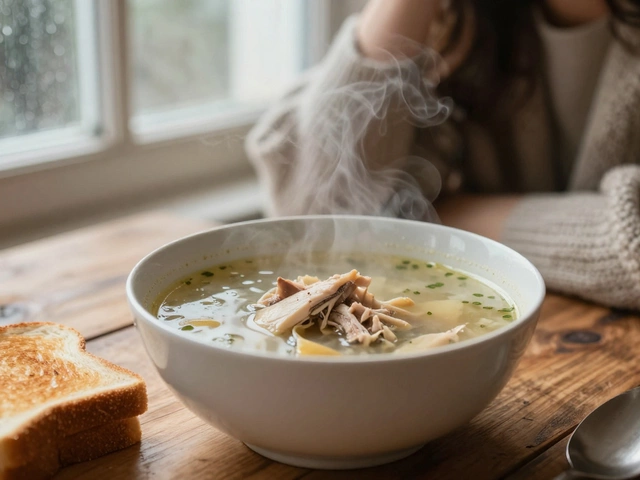
If you want something that feels like a hug, look no further than Tortellini in Brodo. This is pasta served in broth, not sauce. Imagine tiny rings of filled pasta floating in a clear, golden capon broth made from chicken, beef, and parmesan rinds. The filling usually contains pork loin, prosciutto, mortadella, and Parmigiano-Reggiano.
Why is this a contender for the tastiest? Because it highlights the quality of the pasta dough itself. In sauce-heavy dishes, the pasta shape matters less. Here, the thin, delicate wrapper must hold up to the heat without disintegrating, yet remain tender enough to melt in your mouth. It’s elegant, light, and profoundly flavorful. During winter festivals in Modena, locals eat hundreds of these little rings. It’s a testament to how simple ingredients, when treated with care, create transcendence.
Linguine alle Vongole: The Seafood Masterpiece
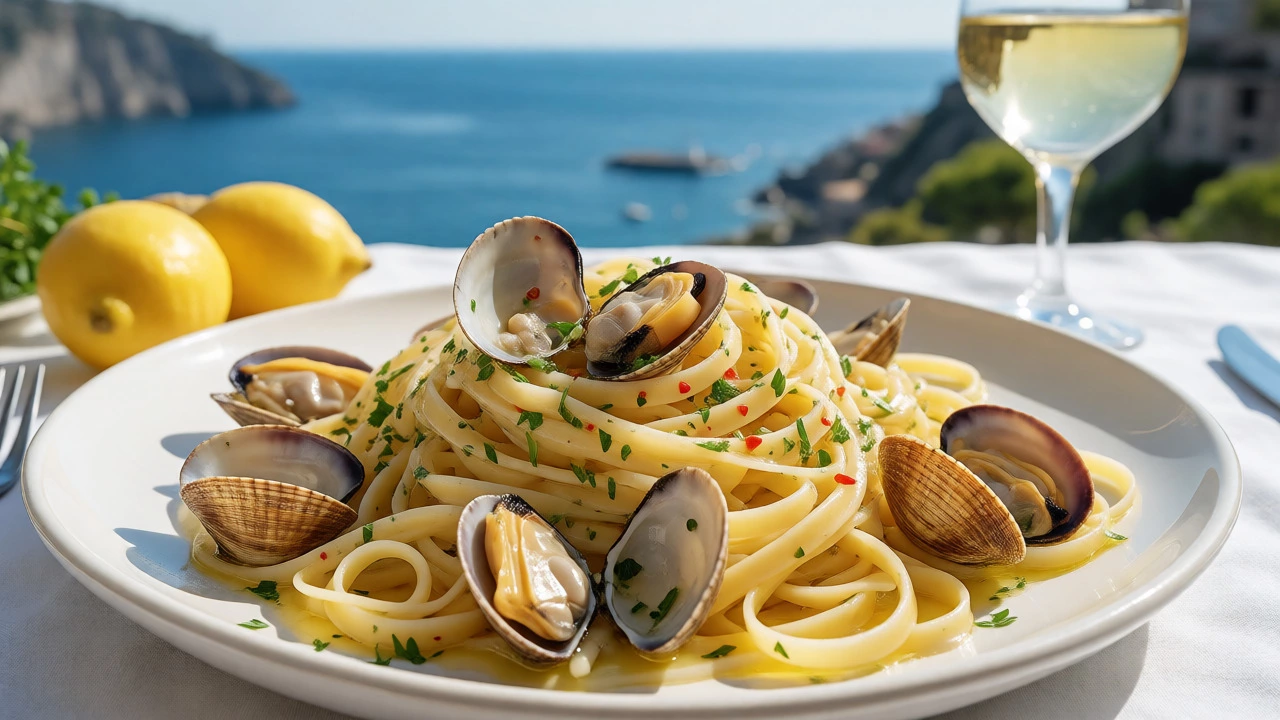
Move away from the land and head to the coast. Linguine alle Vongole (Linguine with Clams) is a staple of Neapolitan cuisine. It relies on freshness. If your clams aren’t alive when they hit the pan, you’ve already lost. The sauce is minimal: garlic, olive oil, white wine, parsley, and chili flakes. The starchy pasta water emulsifies with the clam juices to create a briny, aromatic coating.
This dish appeals to those who prefer brightness over heaviness. It’s zesty, clean, and lets the natural sweetness of the shellfish shine. Linguine is chosen because its oval shape catches the liquid better than round spaghetti. Eating this on a terrace overlooking the Tyrrhenian Sea is often cited as the pinnacle of Italian dining experiences. It proves that pasta doesn’t need meat or heavy cheese to be unforgettable.
Pappardelle al Cinghiale: The Hunter’s Feast
In Tuscany, wild boar reigns supreme. Pappardelle al Cinghiale features wide, ribbon-like noodles paired with a stew of wild boar marinated in red wine and herbs. Wild boar has a gamier, stronger flavor than domestic pork, which stands up well to the robust, earthy notes of rosemary, sage, and juniper berries.
The width of Pappardelle is crucial. These broad strands provide a substantial chew that matches the hearty texture of the meat. It’s a winter dish, perfect for cold evenings when you need warmth and substance. The contrast between the silky pasta and the chunky, tender meat creates a dynamic eating experience. For many food critics, this represents the rustic soul of Italian cooking-unpretentious, deeply flavorful, and rooted in the land.
Global Challengers: Beyond Italy
While Italy dominates the conversation, other cultures have strong claims to the throne of tastiest pasta. Let’s look at a few international heavyweights that give the Italians a run for their money.
Japanese Ramen: Technically a noodle soup, but functionally a pasta dish. Tonkotsu ramen, with its milky, collagen-rich pork bone broth, offers an intensity of flavor that rivals any ragu. The alkaline wheat noodles have a unique springy texture that holds up in hot broth. For many, a bowl of high-quality ramen is the ultimate comfort food.
Korean Japchae: Made from sweet potato starch glass noodles, stir-fried with vegetables and sesame oil. It’s sweet, savory, and nutty. The texture is bouncy and distinct from wheat pasta. It’s lighter than Italian mains but incredibly addictive due to the balance of soy, sugar, and sesame.
Mexican Fideo Seco: Thin vermicelli-style noodles fried until crispy, then simmered in tomato broth. It’s similar to Spanish fideuà but spiced differently. The crunch-to-tender ratio makes it fascinating. It’s often topped with lime and avocado, adding fresh acidity that cuts through the fried pasta.
What Makes Pasta "Tasty"? The Science of Satisfaction
So, what separates a good plate of pasta from a great one? It’s not just the recipe. It’s the interplay of several factors.
- Salt: Pasta water should taste like the sea. Under-salted pasta is bland, no matter how good the sauce is.
- Starch: Properly cooked pasta releases surface starch. This helps sauces cling. Over-rinsed pasta loses this ability, resulting in a slippery, disconnected dish.
- Fat Balance: Whether it’s olive oil, butter, or animal fat, the right amount ensures the sauce coats the tongue evenly.
- Acidity: Tomatoes, wine, lemon juice, or vinegar cut through richness. Without acid, heavy pasta dishes become cloying.
The "tastiest" pasta often hits the highest note on the umami scale. Glutamate-rich ingredients like Parmesan, anchovies, tomatoes, and mushrooms trigger satisfaction receptors in our brains. Dishes like Carbonara and Ragù are essentially umami delivery systems.
How to Choose Your Perfect Plate
Your personal favorite depends on your mood and palate preferences. Here’s a quick decision tree to help you pick tonight’s dinner.
- Want comfort and creaminess? Go for Carbonara or Cacio e Pepe.
- Craving deep, slow-cooked richness? Choose Ragù alla Bolognese or Pappardelle al Cinghiale.
- Prefer light and fresh? Pick Linguine alle Vongole or Aglio e Olio.
- Feeling nostalgic or fancy? Try Tortellini in Brodo.
- Love bold spices? Opt for Penne all’Arrabbiata or Korean Japchae.
There is no objective winner. The tastiest pasta is the one that resonates with your current craving. However, if forced to choose one dish that combines technical skill, historical significance, and universal appeal, many chefs point to Ragù alla Bolognese served with fresh Tagliatelle. It represents the pinnacle of Italian home cooking-labor-intensive, deeply rewarding, and endlessly comforting.
Is spaghetti really the most popular pasta in the world?
Yes, spaghetti is generally considered the most widely consumed pasta shape globally due to its ease of preparation and versatility. However, in terms of critical acclaim and gourmet status, shapes like Tagliatelle and Rigatoni often rank higher among chefs.
Why do Italians never put chicken in pasta?
Traditional Italian cuisine rarely combines poultry with pasta except in specific regional dishes like Tortellini in Brodo. Chicken is typically served as a separate second course (secondo). Adding chicken to pasta is largely an American adaptation.
What is the difference between Tagliatelle and Fettuccine?
They are very similar, both being flat, ribbon-like noodles. The main difference is width; Tagliatelle is traditionally slightly wider (6-10mm) than Fettuccine (5-7mm). Tagliatelle is from Emilia-Romagna, while Fettuccine is associated with Rome.
Does the type of wheat affect the taste of pasta?
Absolutely. Durum wheat semolina gives pasta its yellow color and firm texture (al dente). Soft wheat flour is used for stuffed pastas and fresh noodles, resulting in a softer, more delicate bite. Bronze-die extruded pasta has a rougher surface that holds sauce better.
Can gluten-free pasta taste as good as regular pasta?
It has improved significantly. Corn and rice blends can mimic the texture well, though they lack the elasticity of gluten. Brands using chickpea or lentil flour offer higher protein but have distinct earthy flavors. For the closest taste, look for brands that use xanthan gum to replicate chewiness.


Write a comment