Restaurant Quality Chicken Calculator
Enter Your Details
Your Game Plan
Enter details and click "Get Instructions" to see the science-backed steps for perfect tenderness.
Have you ever bitten into a juicy, melt-in-your-mouth chicken breast at a nice restaurant and then tried to recreate it at home, only to end up with something that tastes like dry leather? You are not alone. It is one of the most common frustrations in home cooking. The difference usually isn't about expensive ingredients or secret spices. It comes down to science and technique.
Restaurant chefs do not just throw raw meat on a grill and hope for the best. They use specific methods to manipulate the protein structure of the chicken breast, which is a lean cut of poultry known for being low in fat but prone to drying out during cooking. By understanding why restaurant chicken is so tender, you can bring that same quality to your own kitchen without needing professional training.
The Science Behind Dry Chicken
To fix the problem, we first need to understand what goes wrong. Chicken breast is almost pure muscle fiber with very little connective tissue or fat. When you apply heat, those muscle fibers contract and squeeze out moisture. If you cook it too long or at too high a temperature, all that water escapes, leaving behind a tough, stringy texture.
In a restaurant kitchen, they know this risk exists. That is why they rarely rely on luck. Instead, they control variables like temperature, time, and preparation. Home cooks often skip these steps because they want dinner fast. But taking ten extra minutes in prep can save your meal from disaster.
Secret #1: Brining Changes Everything
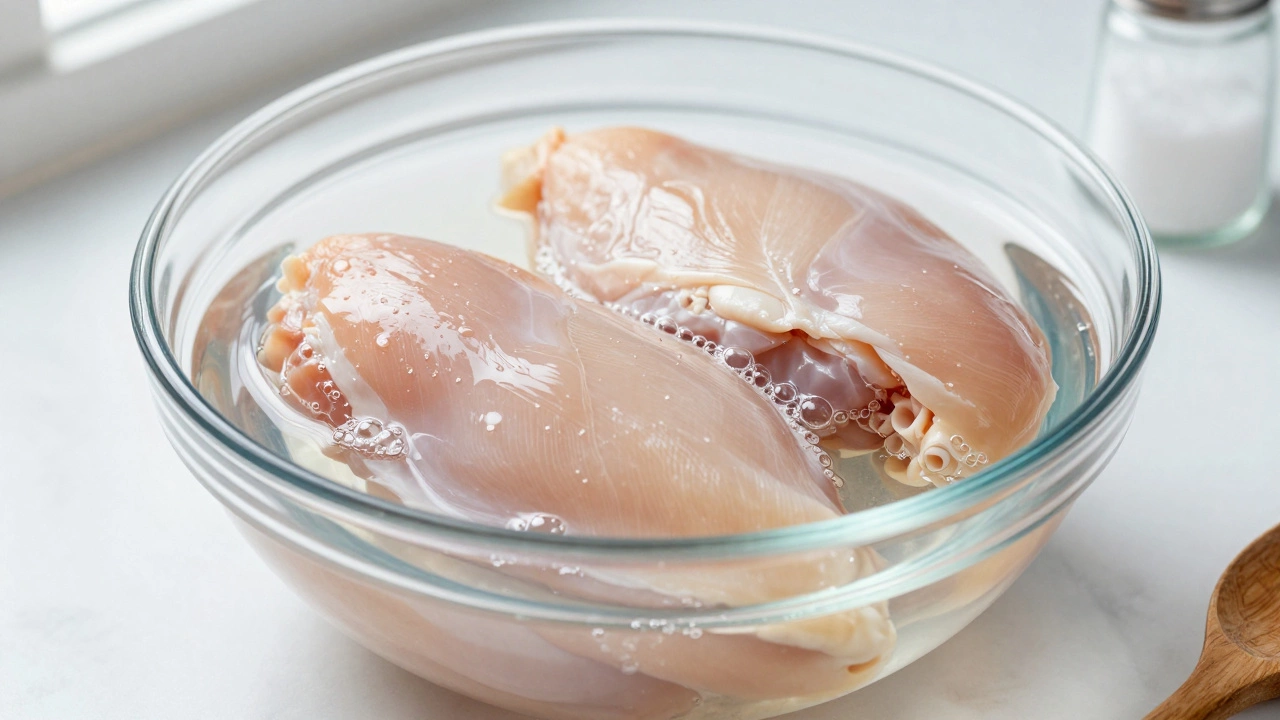
If there is one thing restaurants do more than anything else, it is brine their poultry. Brining involves soaking the chicken in a solution of salt and water before cooking. This might sound simple, but it creates a chemical change inside the meat.
When chicken sits in saltwater, osmosis pulls some of the liquid into the meat. More importantly, the salt breaks down some of the protein structures. These weakened proteins can hold onto more water when heated. So even if you accidentally overcook the chicken slightly, it will still retain enough moisture to taste juicy.
| Method | Time Required | Best For |
|---|---|---|
| Wet Brining | 30 minutes to 4 hours | Maximum juiciness; requires fridge space |
| Dry Brining | 1 hour to overnight | Crispier skin; easier cleanup |
You do not need a gallon of water to do this. A quick "speed brine" works wonders. Mix one tablespoon of kosher salt per pound of chicken in a bowl of cold water. Submerge the breasts for just 20 to 30 minutes. Rinse them off, pat them dry, and cook as usual. The result is noticeably softer and more forgiving.
Secret #2: Mechanical Tenderization
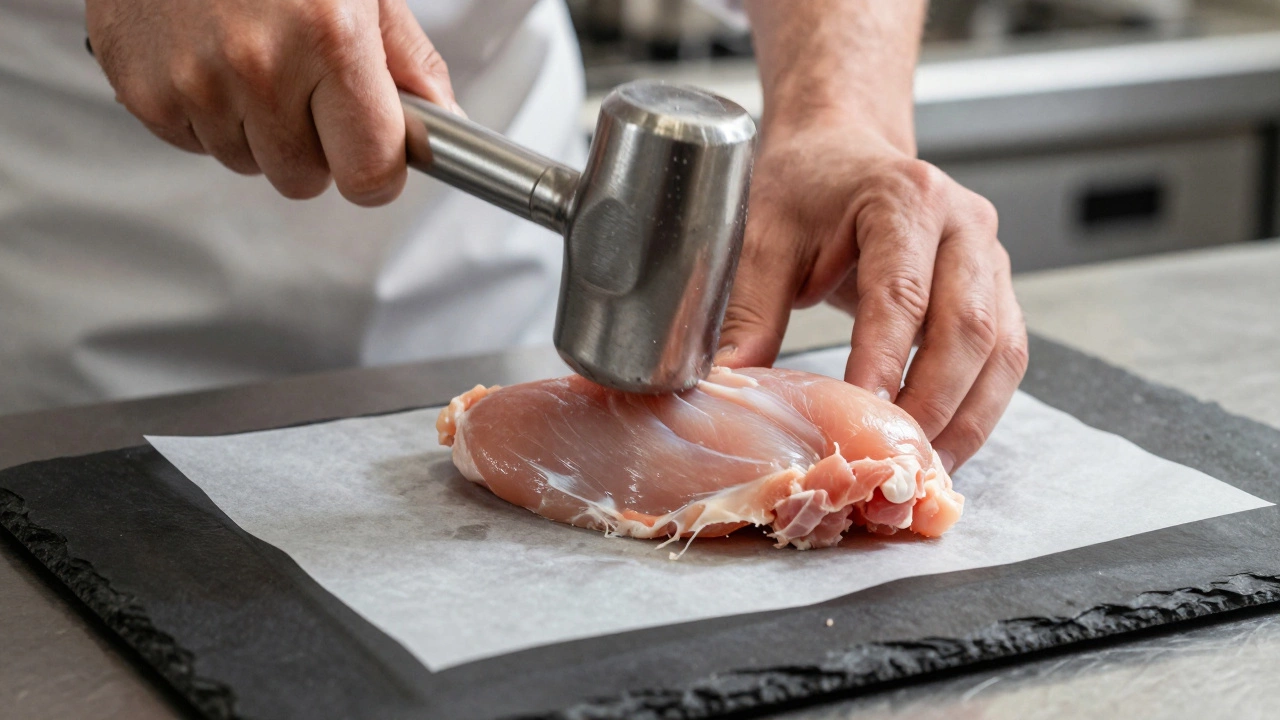
Another trick you see in commercial kitchens is pounding the meat flat. Chefs often use a meat mallet or the bottom of a heavy pan to physically break down the muscle fibers. This does two things. First, it makes the chicken thinner, which means it cooks faster and more evenly. Second, the physical impact severs the tough strands of protein, making the final bite feel less chewy.
This is especially useful if you are buying unevenly shaped breasts. By flattening them to a uniform thickness-usually about half an inch-you prevent the thin ends from burning while the thick center stays raw. Uniform thickness leads to uniform tenderness.
Secret #3: Temperature Control and Carryover Cooking
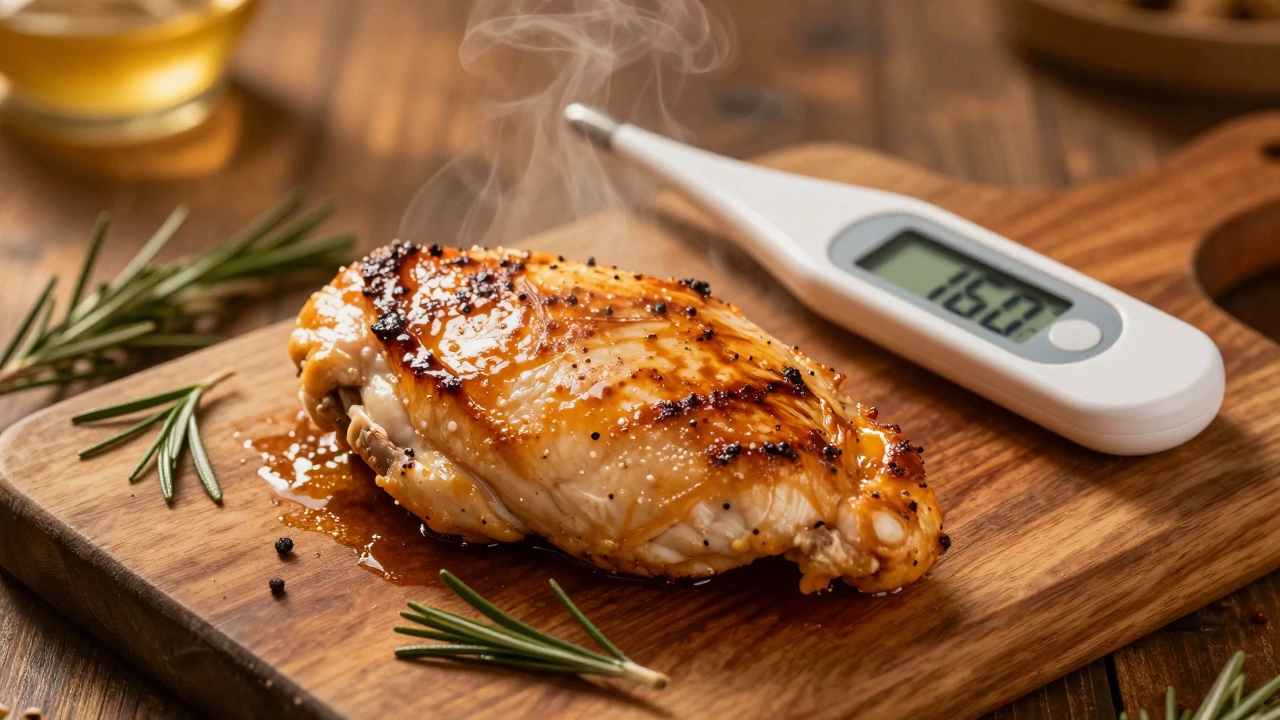
Most people pull chicken off the heat when it looks done. But by the time you plate it, the internal temperature keeps rising. This is called carryover cooking. If you take the chicken out at 165°F (74°C), it will likely reach 175°F (80°C) on the plate. At that higher temperature, the proteins tighten significantly, squeezing out every last drop of juice.
Restaurants use instant-read thermometers constantly. They aim to pull the chicken at around 155°F to 160°F (68°C to 71°C). During the rest period, the temperature climbs to the safe 165°F mark, but the juices have had time to redistribute rather than evaporate. Always let your chicken rest for five to ten minutes before cutting into it. Cutting too early releases all the accumulated juices onto the cutting board instead of keeping them inside the meat.
Secret #4: Marinades and Acids
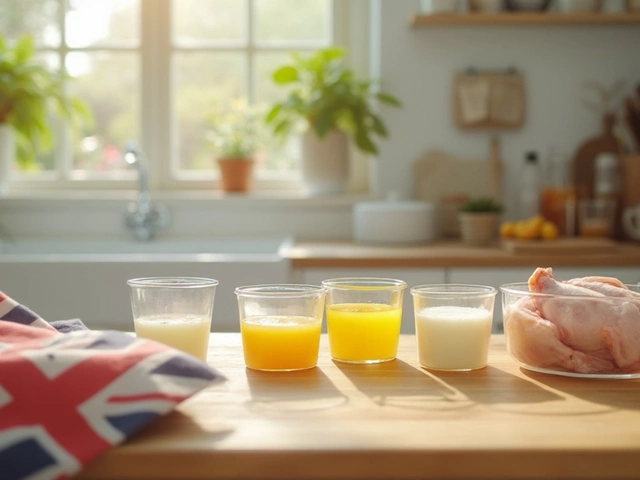
While brining uses salt, marinades often use acid. Ingredients like lemon juice, vinegar, yogurt, or buttermilk contain acids that denature proteins. Denaturation sounds scary, but it simply means the acid unwinds the tight protein coils, softening the texture.
Yogurt marinades are particularly popular in Indian and Middle Eastern cuisines. The lactic acid in yogurt gently tenderizes the meat without making it mushy, unlike strong vinegar which can turn the surface mealy if left too long. A good rule of thumb is to marinate chicken breasts for no more than two hours if using high-acid ingredients like straight lemon juice. For dairy-based marinades, you can go longer, up to four hours.
Secret #5: High Heat Searing vs. Low and Slow
There is a debate about whether to cook chicken fast or slow. Restaurants often use a hybrid approach. They might sear the outside at very high heat to create a flavorful crust through the Maillard reaction, then finish it in a lower-heat oven. Or they might poach it gently in liquid first, then pan-sear it briefly at the end.
Poaching chicken breast in broth or water kept at a gentle simmer (around 170°F or 77°C) ensures it never exceeds its target temperature. This method guarantees extreme tenderness because the meat never experiences the violent contraction that happens under direct flame. Once poached, it can be sliced and added to salads or sandwiches without any fear of dryness.
Common Mistakes to Avoid
- Skipping the rest: Never cut into hot chicken immediately. Wait at least five minutes.
- Overcrowding the pan: If you put too many breasts in a small skillet, the temperature drops, and the chicken steams instead of searing. Steam leads to gray, rubbery meat.
- Ignoring thickness: Uneven breasts cook unevenly. Pound them flat or butterfly them to ensure consistent doneness.
- Using cheap cuts: While technique matters, starting with fresh, air-chilled chicken often yields better texture than frozen, water-soaked alternatives.
Putting It All Together
You do not need to use every single trick listed here to get great results. Start with brining. It is the easiest step with the biggest payoff. Then, focus on pulling the chicken off the heat slightly early and letting it rest. Those two changes alone will transform your home-cooked meals.
Remember, tenderness is not magic. It is physics and chemistry working in your favor. By respecting the nature of the protein and controlling the heat, you can achieve that restaurant-quality bite every time. Next time you buy chicken breasts, try a quick salt brine and watch the difference it makes.
How long should I brine chicken breasts?
For a standard wet brine, 30 minutes to 2 hours is ideal for boneless, skinless breasts. Longer than 4 hours can make the texture overly salty or spongy. For a dry brine, you can leave it uncovered in the fridge for up to 24 hours for deeper flavor and crispier skin.
Can I use baking soda to tenderize chicken?
Yes, this is a technique known as velveting, common in Chinese cuisine. Coating chicken in a small amount of baking soda raises the pH level, which prevents protein bonds from tightening too much. Use sparingly-about 1 teaspoon per pound-and rinse thoroughly after 15-20 minutes to avoid a soapy taste.
What is the best temperature to cook chicken breast?
The USDA recommends cooking chicken to an internal temperature of 165°F (74°C). However, for maximum tenderness, remove it from heat at 155°F-160°F (68°C-71°C) and let it rest. The residual heat will bring it to a safe temperature while keeping it juicy.
Why does my chicken breast turn out rubbery?
Rubbery chicken is usually the result of overcooking. As the temperature rises past 165°F, the muscle fibers contract tightly and squeeze out moisture. Using a thermometer and removing the chicken slightly early helps prevent this. Pounding the meat flat also ensures even cooking, preventing parts of the breast from becoming tough while others remain undercooked.
Is poaching chicken healthier than frying?
Poaching is generally considered healthier because it requires little to no added fat. Frying adds significant calories and saturated fats depending on the oil used. Poaching also preserves the natural flavor of the chicken and keeps it extremely moist, though it lacks the crispy exterior that frying provides.



Write a comment