Meat Reintroduction Planner
Transitioning back to an omnivorous diet requires care. This tool guides you through the recommended stages to minimize digestive discomfort like bloating and nausea.
Overall Readiness
Stage 1: The Broth Phase
Focus on liquid nutrients and gentle preparation of the gut lining.
Start with Bone Broth
Week 1Bone broth is rich in collagen and minerals but easy to digest. It prepares your gut lining and introduces animal-derived nutrients without the heavy lifting of chewing and breaking down solid muscle.
Choose Lean, White Protein
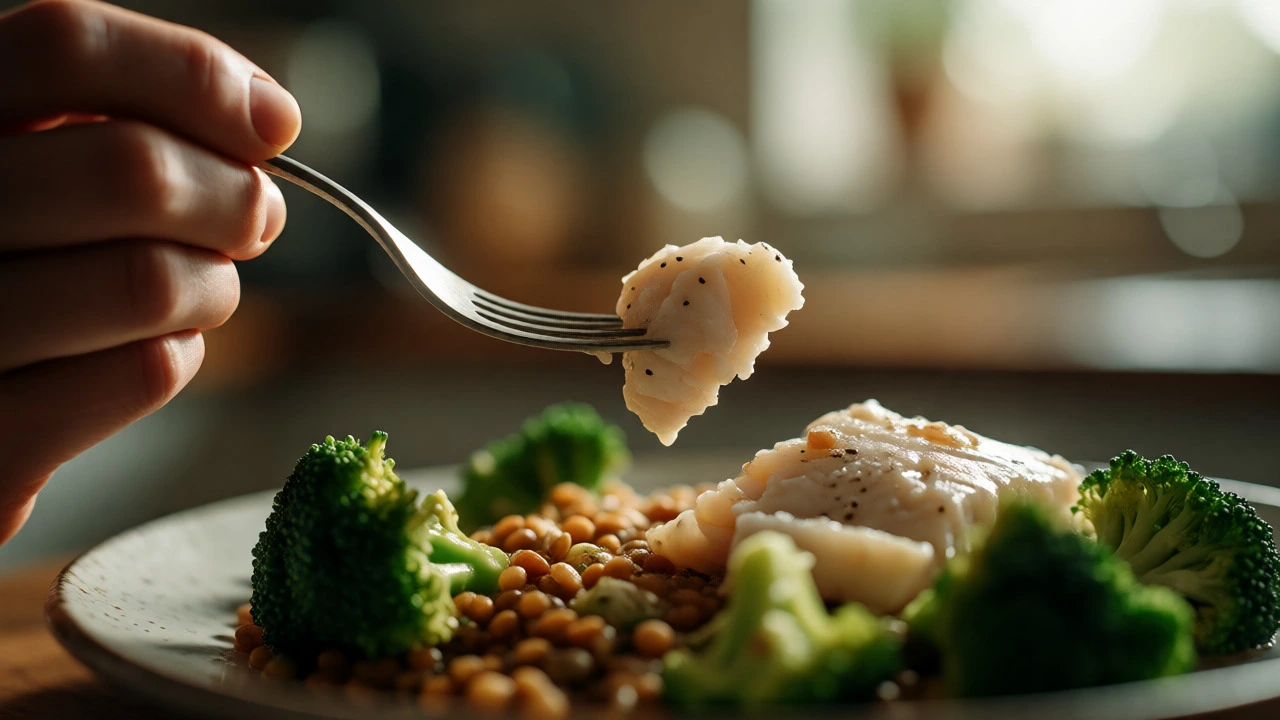
Week 2Poached chicken breast or steamed cod are ideal. They are low in fat and easier to break down. Eat a small portion—about 3–4 ounces—alongside your usual vegetables.
Pair with Fiber
OngoingNever eat meat alone. Combine it with fibrous vegetables like broccoli, spinach, or beans. The fiber helps move the meat through your system and feeds the beneficial bacteria that prevent putrefaction.
Add Fermented Foods
OngoingYogurt, kefir, sauerkraut, or kimchi contain probiotics that can help balance your gut flora during this transition. They provide live cultures that assist in digestion.
Increase Frequency Slowly
Weeks 3-4Don’t go from zero to daily. Try meat once a week, then twice, observing how you feel. Give your body two to three days between servings to recover and adjust.
Avoid Processed Meats Initially
CautionBacon, sausages, and deli meats are high in preservatives, nitrates, and unhealthy fats. These are harder on a sensitive digestive system than fresh, whole cuts.
Congratulations!
You have completed the initial reintroduction protocol. Your gut microbiome and enzyme production should be adapting well. Continue to monitor your energy levels and digestive comfort.
Remember: If severe pain or vomiting occurs, stop and consult a healthcare provider.
You’ve spent decades avoiding animal flesh. Maybe it was ethics, maybe health, or just personal preference. But life changes. You’re invited to a barbecue in Brighton, you’re traveling to a country where refusing the local specialty is rude, or you’re simply curious if your body has forgotten how to handle a steak. So, you take that first bite. What happens next? Does your stomach revolt? Do you feel sick? Or is it surprisingly normal?
The short answer: it depends on how long you’ve been vegetarian and how you eat that first meal. For most people who have been plant-based for years, eating meat isn’t an immediate disaster, but it’s rarely seamless either. Your digestive system adapts to what you feed it. If you haven’t produced certain enzymes in years, they don’t vanish overnight, but they do downregulate. Reintroducing complex animal proteins requires a gentle approach. Rushing it leads to bloating, nausea, and regret. Doing it right lets you enjoy the flavor without the gastrointestinal fallout.
Your Gut Microbiome Has Changed
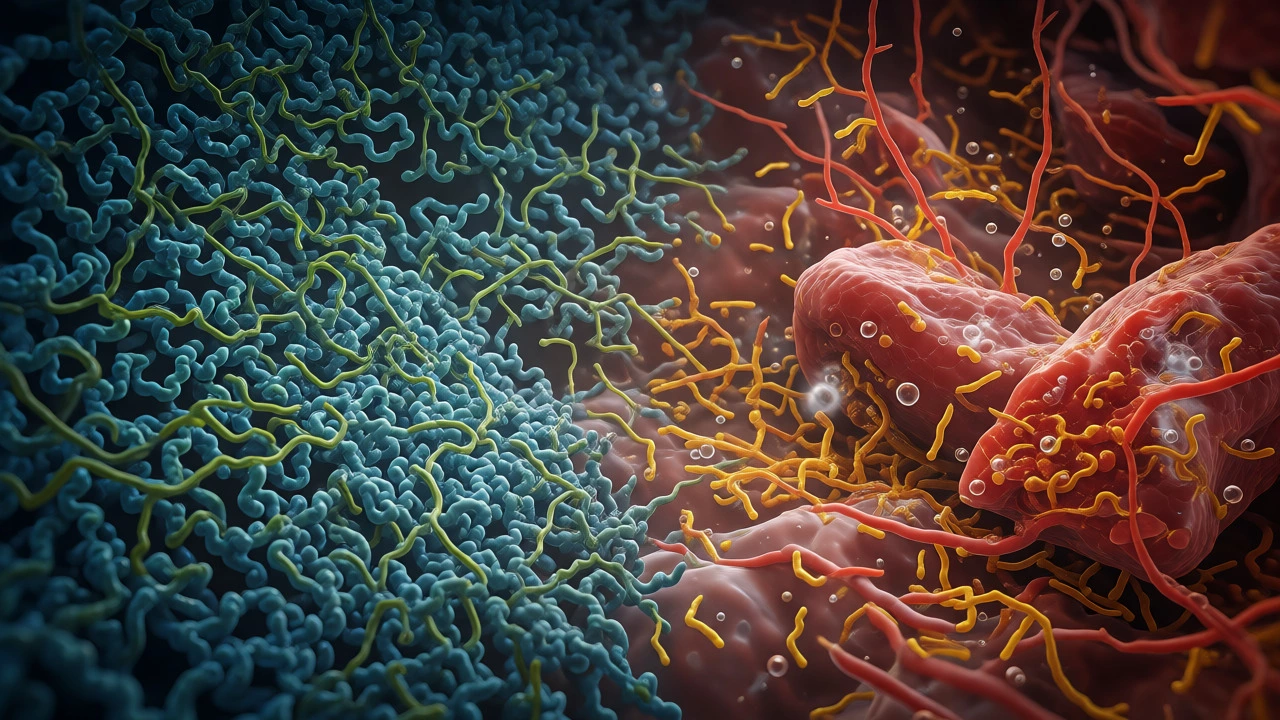
Think of your gut as an ecosystem. When you eat mostly plants, fiber-rich foods dominate. This feeds specific bacteria like Bacteroidetes, which thrive on carbohydrates and plant fibers. These microbes are efficient at breaking down cellulose and starches. They produce short-chain fatty acids that keep your colon healthy and reduce inflammation.
When you stop eating meat, another group of bacteria-Prevotella-often becomes more dominant. Prevotella species are specialists in digesting plant-based diets. Meanwhile, bacteria that prefer animal proteins and fats, such as Bilophila wadsworthensis, decrease in number because their food source is scarce.
| Bacteria Type | Dominant In | Primary Fuel Source | Effect of Sudden Meat Intake |
|---|---|---|---|
| Bacteroidetes | Omnivores & Mixed Diets | Fats, Proteins, Simple Carbs | Might be underprepared for heavy fat load initially. |
| Prevotella | Long-term Vegetarians/Vegans | Complex Plant Fibers | May cause gas if fiber intake drops suddenly while protein rises. |
| Firmicutes | High-Fat Diets | Animal Fats, Sugar | Can increase rapidly, potentially leading to inflammation if unbalanced. |
This shift means your gut flora is optimized for plants. Suddenly introducing a heavy dose of animal protein and saturated fat can create an imbalance. The bacteria that usually help break down meat aren’t present in high numbers. This doesn’t mean you’ll get sick from toxicity, but you might experience slower digestion and increased fermentation of undigested proteins, which causes gas and odor.
The Enzyme Adjustment Period
Digestion starts with enzymes. When you eat meat regularly, your pancreas produces ample amounts of proteases (like trypsin and chymotrypsin) to break down amino acids, and lipases to handle fats. If you’ve been vegetarian for ten years, your body hasn’t needed to ramp up these enzyme productions significantly. It’s not that you stop making them entirely-you still need some for eggs or dairy if you consume them-but the volume and activity level drop.
Eating a large, fatty steak cold turkey forces your pancreas to work overtime. It’s like asking someone who hasn’t lifted weights in a decade to bench press 100kg immediately. You can do it, but you’ll be sore and shaky. Similarly, your digestive tract may struggle to fully break down the dense muscle fibers and connective tissue in red meat. Undigested protein reaches the large intestine, where it ferments. This process produces hydrogen sulfide, the gas responsible for rotten egg smells, and other compounds that can cause discomfort and bloating.
Chicken and fish are easier to digest than beef or pork because they have less connective tissue and lower fat content. If you’re returning to meat, starting with lean poultry or white fish gives your enzyme systems time to upregulate without overwhelming them.
Symptoms to Watch For
Not everyone reacts the same way. Some lifelong vegetarians eat a burger and feel fine. Others spend the night in the bathroom. Your reaction depends on your baseline gut health, stress levels, and the type of meat consumed. Here’s what commonly happens:
- Bloating and Gas: This is the most common complaint. As undigested proteins ferment, gas builds up. You might feel tightness in your abdomen within 4-6 hours of eating.
- Nausea: Heavy, fatty meats can trigger a feeling of fullness so intense it turns into nausea. Your gallbladder, used to releasing small amounts of bile for low-fat meals, might struggle to release enough bile to emulsify a large amount of animal fat.
- Changes in Bowel Movements: Meat has no fiber. If you replace a high-fiber lentil stew with a chicken breast and white rice, your transit time slows down. Constipation is a real risk if you don’t maintain vegetable intake alongside the meat.
- Energy Slumps: Digesting meat requires significant energy. Blood flow is directed to the digestive tract, which can lead to post-meal fatigue, often called a "food coma." This is more pronounced if you’re not used to the metabolic load.
If you experience severe pain, vomiting, or diarrhea that lasts more than 24 hours, stop eating meat and consult a doctor. It could indicate an underlying issue like IBS or a sensitivity to histamines found in aged meats.

How to Reintroduce Meat Safely
Don’t start with a ribeye. Treat this like a new dietary protocol. Gradual introduction allows your microbiome and enzyme production to adapt. Follow this step-by-step plan:
- Start with Broth: Bone broth is rich in collagen and minerals but easy to digest. It prepares your gut lining and introduces animal-derived nutrients without the heavy lifting of chewing and breaking down solid muscle.
- Choose Lean, White Protein: Poached chicken breast or steamed cod are ideal. They are low in fat and easier to break down. Eat a small portion-about 3-4 ounces-alongside your usual vegetables.
- Pair with Fiber: Never eat meat alone. Combine it with fibrous vegetables like broccoli, spinach, or beans. The fiber helps move the meat through your system and feeds the beneficial bacteria that prevent putrefaction.
- Add Fermented Foods: Yogurt, kefir, sauerkraut, or kimchi contain probiotics that can help balance your gut flora during this transition. They provide live cultures that assist in digestion.
- Increase Frequency Slowly: Don’t go from zero to daily. Try meat once a week, then twice, observing how you feel. Give your body two to three days between servings to recover and adjust.
- Avoid Processed Meats Initially: Bacon, sausages, and deli meats are high in preservatives, nitrates, and unhealthy fats. These are harder on a sensitive digestive system than fresh, whole cuts.
Nutritional Considerations
Returning to meat changes your nutrient profile. You’ll likely see an uptick in Vitamin B12, which is crucial for nerve function and DNA synthesis. Most vegetarians rely on supplements or fortified foods; getting it from food sources can be satisfying. You’ll also get more Heme Iron, which is absorbed more efficiently than non-heme iron from plants. This can boost energy levels if you were previously borderline deficient.
However, watch out for excess saturated fat and cholesterol. A sudden spike in these can affect heart health markers over time. Balance is key. Continue eating plenty of fruits, vegetables, and whole grains. Think of meat as a condiment or a side dish rather than the main event, at least initially.
Will I gain weight if I start eating meat again?
Not necessarily. Weight gain depends on total calorie intake. Meat is calorie-dense, especially fatty cuts. If you replace low-calorie plant foods with high-calorie meats without adjusting portion sizes, you might gain weight. However, protein increases satiety, which can actually help you eat less overall. Monitor your portions and focus on lean cuts to maintain weight stability.
How long does it take for my body to adjust to eating meat?
Most people notice improvement in digestion within 1-2 weeks of gradual reintroduction. Your gut microbiome begins shifting within 24-48 hours of dietary change, but stable adaptation takes longer. Enzyme production upregulates relatively quickly, but bacterial population shifts take time. Listen to your body; if symptoms persist beyond two weeks, slow down the reintroduction process.
Is it true that meat "rots" in your intestines if you're not used to it?
It doesn't literally rot, but undigested protein can undergo putrefaction in the colon. If your digestive enzymes are insufficient, meat passes into the large intestine partially broken down. Bacteria there ferment the remaining protein, producing gases and compounds like ammonia and hydrogen sulfide. This causes odor and discomfort but isn't toxic in moderate amounts. Proper cooking and chewing help minimize this.
What is the easiest meat to eat after being vegetarian?
White fish (like cod or tilapia) and skinless chicken breast are the easiest. They are low in fat and connective tissue, making them simpler to digest. Eggs are also a good intermediate step if you didn't avoid them before. Avoid red meats like beef and lamb initially, as they require more robust enzymatic activity and bile production.
Should I take digestive enzymes when reintroducing meat?
You might find them helpful. Over-the-counter protease and lipase supplements can aid digestion during the transition period. They act as a bridge while your body ramps up its own production. Start with a low dose and see if it reduces bloating. Always consult a healthcare provider before starting new supplements.




Write a comment